【Click here for English translation of interview】

〈ポスト・クラシカル〉と〈インディー・クラシック〉 という2つのムーヴメントを柱とし、21世紀以降のクラシック音楽をフィーチャーする連載〈Next For Classic〉。久しぶりの更新となる第2回では、ポスト・クラシカルのシーンで圧倒的な個性を放つUSはポートランド出身で87年生まれの作曲家/シンガー・ソングライター、ピーター・ブロデリックを取り上げる。アンビエントにフォーク、インディー・ロックまで予測不能のキャリアを歩み続け、今年9月に待望の来日ツアーを行う才人に、この連載の監修を務める音楽ライターの八木皓平がインタヴューを行った。 *Mikiki編集部

ピーター・ブロデリックがそのキャリアを通して試みていることは、〈ポスト・クラシカルの拡張〉と解釈できるかもしれない。ポスト・クラシカルはクラシック/現代音楽におけるドローン/アンビエント的な部分を抽出し、再解釈したものであり、ピアノやストリングスを主体としたモノクロームな音楽だと捉えられがちだが、ピーター・ブロデリックはそこにフォーク・ミュージックやインディー・ロックの要素を接続させることで、同ジャンルに豊かな彩りをもたらしてきた。
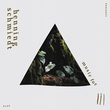
共演作も含めると彼のディスコグラフィーは多岐に渡るが(一覧はこちら)、初期の作品『Home』(2008年)にはボン・イヴェールやフリート・フォクシーズと並べて聴けるフォーク・サウンドが詰まっているし、近作の『Colours Of The Night』(2015年)ではニール・ヤングを思わせるようなバンド・アンサンブルを奏でている。その一方で、最新作の『Partners』(2016年)ではジョン・ケージが考案したチャンス・オペレーションを活用するなど、音楽家としての姿勢はチャレンジング極まりない。さらに、彼は音楽を巡るメディアの現状までを作品の題材としており、アートワークや歌詞のみならず、楽曲にまつわる情報を閲覧することができるURLがそのままアルバム・タイトルとなった『http://www.itstartshear.com』(2012年)や、写真やワードと共にネットへアップし、彼のファンと共有して楽しんでいた楽曲群を土台に制作した『These Walls Of Mine』(2012年)の2作が象徴的だ。
このように、今日の音楽シーンにおいてユニークな才能を発揮しているピーター・ブロデリックが、9月23日(金)~29日(木)にかけて全国5都市・6公演を回るジャパン・ツアーを行う。そこで今回は、日本ではまだ十分に紹介されているとは言い難いピーター・ブロデリックという音楽家の全体像を把握するために、彼のキャリアや音楽的な影響源、ライヴの見どころについて訊いてみた。
僕のインスピレーションは絶えず変化している
――まずは、プロ・ミュージシャンとして活動を始めることになるまでの経緯について教えてください。
「僕のキャリアが本格的に始まったのは、2007年にデンマークのエフタークラングに誘われてバンドに参加したときだね。それ以前はオレゴン州ポートランドでたくさんのグループで演奏したり、パートタイムの学校に通ったり、ピザを焼く仕事をしていたんだよ。エフタークラングとはMySpaceで知り合ったんだけど、当時のMySpaceは音楽をシェアしたりアーティスト仲間と繋がったりするのに最適なプラットフォームだったんだ。デンマークに移住した僕はエフタークラングの一員としてツアーしたり、ソロ・アクトとして彼らのサポートも行ったよ」
――エフタークラングに参加した経験は、自分の音楽性にどのような影響を与えましたか?
「興味深い質問だね。なぜなら、エフタークラングは参加する前からお気に入りのバンドの一つだったし、彼らはいまだに僕にとってのヒーローだからさ。でも、それは自分がソロ・アーティストとして作っている音楽とはまったく別個の取り組みだとなんとなく感じている。僕自身は、彼らから直接的に影響を受けているかどうかは正直わからないな。でも、彼らと多くの時間を過ごしたことで、(ミュージシャンとして)たくさんのライヴを行うことがどんなものなのかを経験することができた。彼らと共にツアーを回ることで、本当に多くを学んだんだ」
――エフタークラングも大きく括ればインディー・ロックに属すると思うのですが、いわゆるインディー・ロックのサウンドやカルチャーから影響を受けている部分はありますか?
「もちろん。〈インディー・ロック〉はとても意味合いの広い言葉だと思う。それに、すべての音楽用語のように、とても主観的だよね。でも、10代の頃にいわゆる〈インディー・ミュージック〉を発掘して、すっかり魅了されたことをよく覚えているよ。(当時は)その言葉が持つ意味を完全には理解していなかったけど、僕が好んで聴いていたもののいくつかに当てはまっていたと思う。広義の〈インディー・ミュージック〉とは、お金を生み出すことを主な目的とするビッグなレコード・レーベルにコントロールされるのとは反対に、アーティストが持つ創造の自由性によって作られる音楽を意味しているよね。そういう意味では、僕は〈インディー・ミュージック〉をとても支持しているよ」
――10代の頃に魅了された音楽というのは、例えばどのあたりですか?
「小さい頃は、90年代にアメリカで人気があったオルタナティヴ・ロックを聴いていた。ニルヴァーナ、ウィーザー、スマッシング・パンプキンズ、サウンドガーデン、シルヴァーチェアー、ストーン・テンプル・パイロッツ、ブッシュとかね。7歳のときからヴァイオリンを演奏していたんだけど、当時の僕はヘヴィーで過激な音楽や、よりパンキッシュでメタリックなサウンドにのめり込んでいたのさ。家の中にはたくさんのアコースティック楽器があったのに、16歳になるまでソフトな音楽を正しく理解することはなかった。その頃になって、映画『ドニー・ダーコ』のスコア(マイケル・アンドリュース※1が担当)やエリオット・スミスの音楽に恋に落ちて、それからシアトルのバンドであるカリッサズ・ウィアード※2のことも好きになったんだ」
※1 67年生まれのマルチ・ミュージシャン/コンポーザー/プロデューサー。自身のソロ作『Spilling A Rainbow』(2012年)ではピーターとも通じる、フォーキーでシネマティックな音世界を描いている
※2 90年代後半~2000年代前半に活躍したサッドコア・バンド。バンド・オブ・ホーセズのベン・ブリッドウェルが在籍していたことで有名
――ここからは、あなたのディスコグラフィーについて訊かせてください。ソロ・デビュー作『Docile』(2007年)こそソロ・ピアノ作品でしたが、次作の『Home』を聴けばわかるように、あなたの音楽には一貫してフォーク・ミュージックの影響が感じられます。
「僕のインスピレーションは絶えず変化している。『Home』をリリースしたとき、いろんなレヴューでサイモン&ガーファンクルと比較されていたけど……その頃は正直、彼らがどんな音楽をやっているのか知らなかったんだ。彼らを聴くようになったのはつい最近の話で、いまのところほとんどポール・サイモンのソロ作しか聴いていない。それで、僕にとってアコースティック音楽の影響を本当に及ぼしたきっかけはエリオット・スミスだね。『Home』を作る前はそんなに聴いてなかったんだけどさ。あと、当時はソングス・オブ・グリーン・フェザント※にもインスパイアされていたことをよく覚えているよ。他にも多くの影響源があったと思う」
※UKシェフィールド出身のダンカン・スンプナーによる宅録ソロ・プロジェクト。サイケデリック・フォーク調のサウンドで知られ、2000年代中盤にはファット・キャットよりアルバムを発表していた
――影響源というのは、例えば?
「たぶん、ここで名前を挙げるべきなのはブライアン・イーノだろうね。2006年にイーノの世界を発見したとき、僕は彼のカタログの多様さに圧倒されたんだ。イーノの音楽は自分が興味を持ったさまざまなタイプの音楽を追求することの励みになったよ。それから何年か経って、アーサー・ラッセルを発見したときにも同じように感じたね。彼ら2人は、本当に幅広い音楽性を試みてきたんだ」

新しいクラシックのムーヴメントは、ずっと前から始まっていたと思う
――あなたは『http://www.itstartshear.com』や『These Walls Of Mine』など、ポスト・インターネット時代における世界の変化を意識した創作にもチャレンジしてきましたよね。いまではサブスクリプション方式による音楽ストリーミングが全盛期を迎えていますが、そういったインターネットの発達はあなたの創作活動にどのようなインスピレーションを与えてきたのでしょう?
「音楽ストリーミングについては、それほど意見を持ってないんだ。ストリーミングが十分な収益にはならないと心配しているアーティストもいるけど、僕はいまのところそんなふうには感じていない。もし誰かが僕の音楽をストリーミングで聴いて気に入ったら、それがきっかけでライヴに足を運んだり、僕から直でレコードを買うことを考えてくれるかもしれない。このシナリオは素晴らしいよ!」
――そうですね。
「ただ、かつての僕はSNSやインターネット上のコミュニケーションに積極的だったけど、最近では正反対の方向に傾いているね。できるだけコンピューターを遠ざけようとしてるし、あらゆるソーシャル・メディアに登録していない。スマートフォンも意図的に持たないようにしている。5年前は、インターネットで発見したことにとてもインスパイアされたけど、いまの僕は目の前にあるものや、自然界の外にあるものによりインスパイアされるようになったんだ」
――『http://www.itstartshear.com』には“I Am Piano”という楽曲も収録されているくらい、あなたの音楽でもピアノが多く用いられていますが、特にお気に入りのピアニストは誰でしょうか?
「いま一人挙げるなら、ニーナ・シモンだね。彼女は信じられないほどすごいよ」
――昨年リリースされた『Colours Of The Night』は、あなたがバック・バンドを従えた初の作品ということで驚かされました。このアルバムでは、なぜバンド・ミュージックを作ろうと考えたのですか?
「あのアルバムは、スイスのルツェルンというこじんまりとした美しい街でレコーディングされたんだ。何度かツアーで訪れたことがあって、素敵な友人とも知り合えてね。そしてあるとき、彼らが長期的なプロジェクトに誘ってくれたんだよ。〈ねえ、この街に数週間くらい滞在してみない? 君のためにスタジオとバンドを用意するから、ここでアルバムをレコーディングしてみたらどうかな〉って。僕はその寛大なオファーを受け入れた。そうやってこのアルバムは生まれたんだ。レコーディングに参加したミュージシャンは、ルツェルンに着くまで誰とも会ったことがなかったんだよ」
――今年発表された『Partners』は、ジョン・ケージのチャンス・オペレーションからインスピレーションを受けているそうですね。このタイミングで、ケージによる〈偶然性の音楽〉に興味を抱いたのはどうしてですか?
「『ジョン・ケージ伝 新たな挑戦の軌跡』(原題『Begin Again』)という伝記にインスパイアされたんだ。その本を読んで、彼は自分の技能にとても没頭していたように思えた。ケージは昼も夜も働き詰めだったにもかかわらず、自分のエゴがまったく存在しない音楽を作り上げていてね。その考え方が気に入ったんだ。ほとんどのミュージシャンは自分たちがいいと思う音楽や、リスナーに望ましい影響を与えるような音楽を作りがちだけど、ケージはそんなことを気にするよりも、未知の探求により興味を持っていたように思えたんだ。そこで僕は、『Partners』の収録曲のいくつかを作曲するのにサイコロの力を借りることにした。あと、レコーディング・エンジニアのタッカー・マーティンを招いて、いろんなエフェクトでライヴ演奏したものを彼にマニピュレートしてもらって、僕自身がその録音を一切聴かないようにすることで、偶然の要素を採り入れたんだ」
――あなたはコラボレーションにも積極的ですよね。これまでにシャロン・ヴァン・エッテンやアルバム・リーフ、ニルス・フラームなどと多くの共演を重ねてきましたが、そういった経験からどのようなフィードバックが得られましたか?
「新しいコラボから、いつも違う何かを受け取っているよ。それらは時折、直接的なインスピレーションに繋がることもある。例えばニルス・フラームが弾くピアノを聴いて、僕が自分でピアノを演奏するときももっと表現豊かにするべきだと感じたように。また、ニルスとの経験は、これまで自分にとって未知の世界だったジャズへの扉を開けてくれた。それに、他人とコラボすることで自分がしたくないことを学ぶこともある。とにかく、どのコラボも毎回違うし、あらゆる共演が僕を成長させてくれたよ」
――2011年に一緒に来日ツアーを回ったニルス・フラームは、あなたにとって盟友とも言える間柄ですよね。『http://www.itstartshear.com』ではプロデューサーとして彼を迎えていましたが、一人のアーティストとして、彼のどういった部分に魅力を感じていますか。
「ニルスは素晴らしい才能を持ったピアニストであること以上に、スタジオで本当の才能を発揮するんだ。彼のホーム・スタジオで録音やミックスするのを見て多くを学んだよ。彼は確固たるヴィジョンの持ち主だね」
――あなたがこれまで多くの作品を発表してきた、イレースド・テープス(Erased Tapes)について魅力的に感じている部分を教えてください。また、あなたはリリースする作品の内容によってレーベルを変えているように感じるのですが、いかがでしょうか。
「イレースド・テープスの創設者であるロバート・ラスは、広い心を持った素晴らしい男だよ。僕も含めて多くのアーティストがビジネスの世界に携わるスキルやモチヴェーションを欠いている。ロバートはそこにとても強いんだ。彼独自のヴィジョンや革新的なスタイルには敬服するよ。僕は過去に多くのレーベルと仕事をしてきた。いいオファーがあったらなかなかノーとは言えないし、いろんなレーベルがコンタクトしてきたからね。たぶん将来的には、こんなにたくさんのレーベルとは一緒に仕事をしないと思う」
――イレースド・テープスのレーベルメイトであるニルス・フラームやオーラヴル・アルナルズをはじめ、最近はクラシック~現代音楽の影響を受けた音楽家たちが斬新なサウンドを作り出そうとしている印象です。そういった状況をどう考えていますか?
「僕にとって、そのムーヴメントはニルスやオーラヴルよりずっと前に始まっていたんだ。シルヴァン・シャヴォー、マックス・リヒター、ヨハン・ヨハンソン、レイチェル・グライムスと共にね。あるいは、エリック・サティやフィリップ・グラス、テリー・ライリーやスティーヴ・ライヒの時代に始まったと主張する人もいるんじゃないかな。僕は10代のときにそういった作曲家たちの音楽を聴いて、確実にインスパイアされてきたよ」
ピアノと声だけでありのままの演奏をすることに、とても興奮している
――最後に、9月の来日ツアーについて何点か質問させてください。まず、ライヴの聴きどころはどういったところになりそうでしょうか?
「今回はピアノと声だけで演奏しようと考えているんだ。余分なものを取り除いてね。(サポート・アクトを務める)ブリジッド・メイ・パワーがギターを持っていくから、もし誰かがギターの曲を聴きたいのであれば、それも可能だけどね。でも、個人的にはピアノだけでありのままの演奏をすることにとても興奮しているよ。もともとギターで書いた古い曲を、ピアノ用にアレンジし直して演奏するのが特にワクワクするね。今回はライヴで演奏したことがない、初期にリリースした古いピアノ・ナンバーも演奏するつもり。あとは『Partners』からの新曲に、カヴァー曲もいくつか。これまでのキャリア全体から演奏するつもりさ」
――今回のツアーでは、あなたがプロデュースしたデビュー・アルバム『Brigid Mae Power』を発表したばかりのアイルランド人女性シンガー・ソングライター、ブリジッド・メイ・パワーがサポート・アクトを務めるそうですね。彼女はどういったところに魅かれたのでしょう?
「ブリジッドの作品には、生の表現がありのまま流れている。彼女の音楽もそうだし、ヴィジュアル・アートにもね※。彼女は何かを作り上げるとき、そのオリジナルな個性が強制されることなく浮かび上がってくる。そういう意味において、彼女は真のアーティストだよ。彼女の表現はとても正直に感じられる。素晴らしいアーティストであることに加えて、彼女は驚くほど親切で愛らしい人なんだ」
※作品のジャケットをみずから手掛けており、公式サイトにポートフォリオが公開されている
――来日するのは2011年のツアー以来2度目ですよね。5年前に日本を訪れたときに、何か印象深い経験はありましたか?
「初めて日本を訪れたとき、カルチャー・ショックという言葉を本当に理解できたと感じたものだよ。僕が人生のほとんどを過ごしたアメリカや西ヨーロッパとはまったく違った世界だからさ。伝統文化への尊敬がいまでも残っているところもリスペクトしているし、日本人は驚くほど人当りが良くて、とても親切だね。これまでツアーであんなにたくさんのプレゼントをもらったことはなかったよ。あと、これまでの人生でもっとも素晴らしい食体験をしたね。時間があれば、東京のとあるジャズ・バーにまた行ってみたい。山の中にある温泉にもまた行きたいね」
――最後に、ここ最近で一番印象的だったアルバムを教えてください。
「最近もっとも興奮したアルバムは、マイケル・ハーレイの『Bad Mr. Mike』。彼はオレゴンに住む75歳くらいのミュージシャンで、ちょうどこの間新作をリリースしたんだ。ロウなフォーク・ミュージックで、本当にスペシャルだね!」

Peter Broderick Japan Tour 2016 “Partners”
2016年9月23日(金)福岡 papparayray
2016年9月24日(土)京都 元・立誠小学校
2016年9月25日(日)名古屋 valentinedrive
2016年9月26日(月)岡山 蔭凉寺
2016年9月28日(水)東京 ルーテル市ヶ谷ホール
2016年9月29日(木)東京 Fluss
★公演詳細/メール予約はこちら
What Peter Broderick is pursuing throughout his career may be interpreted as something like [the augmentation of post-classical music]. Post-classical music is so often viewed as some monochrome music anchored by piano and strings, resulting from reinterpreting drone, ambient elements abstracted from classical or contemporary music. Peter Broderick is the one artist who has been breathing in bountiful colours to this genre by connecting the music there with elements of folk or indie rock.
His discography, including co-works and collaborations, goes wide range, in which one of his earliest works, “Home” (2008) is filled with folk sounds making it a piece suit to be listened to together with the likes of Bon Iver or Fleet Foxes. In “Colours Of The Night” (2015), the band ensembles he delivers suggests the sounds by Neil Young. On the other hand, he taps into chance operations developed by John Cage on his latest piece, “Partners” (2016), exhibiting his ever-challenging approach as a musician. He even extends his selection of subjects for his works to the current situation of media in the music field, picking as the title for his album the URL of a website, “http://www.itstartshear.com” (2012) (, a site that allows for viewing of album arts or lyrics plus various pieces of information related to songs). “These Walls Of Mine” (2012) that was recorded based on a collection of songs he enjoyed sharing with his fans on the internet uploaded together with photos or text, together with the former mentioned URL-titled album, makes for two of the most impressive works he has recorded.
Peter Broderick who is unleashing his one-of-a-kind gift in the modern music scene will be making way Japan-bound to play a tour of 6 shows in 5 cities across the nation, over the course of a week starting on the Friday, 23rd September to Thursday, 29th.
And so, Mikiki is proud to share this great interview with the artist himself, Peter Broderick, the musician not exactly introduced enough in Japan. Read on to find out the full-picture of the musician who tells us about his musical career, influences and highlights of the upcoming tour.
★ Click here for more details of the tour in Japan
My inspiration changes all the time
――Could you tell us how you began your career as a musician?
My career in music really began when I was invited to join the Danish band Efterklang in 2007. Before that I played with many different groups in Portland, Oregon, but I also went to school part time and worked at a job making pizza. I got in touch with Efterklang on Myspace, which at the time was quite a good platform for sharing music and connecting with fellow artists. They made the very brave move of inviting me to move to Denmark to tour with them, playing in their band and also supporting concerts as a solo act.
――What kind of influence did the experience playing with Efterklang leave on you in terms of your music?
It’s interesting, because Efterklang was one of my favorite bands before I started to perform with them, and those guys are still my heroes . . . but somehow I feel that it’s almost a completely separate endeavor from my solo music. Perhaps someone on the outside could see it better, but I myself am not really able to see the direct influence from them on my music. What they definitely did help me to learn though was how it do tons of traveling and play many, many concerts. We had so much experience on the road together!
――Broadly speaking, we think that Efterklang can be considered to belong to the indie-rock domain, but is there any part or element of you that you think is influenced by the so-called indie-rock sounds or its culture?
Absolutely. I think ‘indie-rock’ is a very broad term, and like all terms for music, very subjective. But I remember discovering so-called ‘indie’ music as a teenager and being completely fascinated. I didn’t really understand what the term meant, but I knew that it was being applied to several things I liked listening to. I suppose in a broad sense ‘indie’ just means that the music is made independently with full creative freedom by the artists, as opposed to being controlled by big record labels that primarily aim to make money. In that sense I very much support ‘indie’ music!
――Which bands, specifically, were the ones that fascinated you as a teenager?
When I was young I listened to a lot of the ‘alternative rock’ that was popular in the USA in the 1990’s . . . lots of Nirvana, Weezer, Smashing Pumpkins, Soundgarden, Silverchair, Stone Temple Pilots, Bush, etc… Then I got into even heavier, more extreme music, more punk and metal sounds. Even though I played the violin from the age of seven, and there were many acoustic instruments in our house, it was not until I was 16 or so that I began to appreciate softer music. At that time I fell in love with the score for the film [Donnie Darko] (by Michael Andrews※1), and with the singer-songwriter Elliott Smith, and I also loved a band from Seattle called Carissa’s Weird※2
※1 Born in 1967. Multi-musician, composer and producer. In his solo work “Spilling A Rainbow” (2012), Andrews portrays a folky and cinematic soundscape, reminiscent to that by Broderick.
※2 Sad-core band active from the late 90s to the early noughties. Known famously as the band that Ben Bridwell of Band of Horses used to played for.
――Now, let’s move on to your discography. Your solo debut piece “Docile” was indeed a piece of solo piano works, but from listening to “Home”, for example, we can tell that your music has been influenced by folk music from the early period of your musical career.
I feel that my inspiration changes all the time. I remember when ‘Home’ was released, I was being compared in reviews with Simon & Garfunkel quite often . . . and at that time I honestly could not tell you what Simon & Garfunkel sounded like! Only 7 or 8 years later did I start to listen to them at all (mostly to Paul Simon so far…). Elliott Smith was probably my introduction to more acoustic music that really affected me . . . although by the time I made ‘Home’ I wasn’t really listening to him any more. At that time I remember I was really inspired by a guy called Songs Of Green Pheasant※. There are probably many other influences that I am forgetting now.
※A home-recording Solo project by Duncan Sumpner from Sheffield, UK. Known for psychedelic folk sounds and released an album from FatCat records in the mid-noughties
――What would be those influences, specifically? Could you please tell us which folk musician(s) had an impact on you the most?
Perhaps a good one to mention is Brian Eno… When I discovered the world of Brian Eno in 2006, I was completely blown away by how diverse his catalogue was, and this encouraged me to pursue all the different types of music I have been interested in. I felt the same way when I discovered Arthur Russell a couple years later. Those two really experimented with such a vast range of musical styles!
This movement of new classical began long before currently known artists
――In works such as http://www.itstartshear.com or “These Walls Of Mine”, you have taken on creative efforts with an eye to the changes of the world in the post-internet era. Times have moved forward since then and we are now at the height of music streaming. What do you think about this? Also, what kind of inspiration(s) has the internet given you in terms of your creative work?
I don’t have much opinion about music streaming. Some artists seem to be concerned that streaming does not earn them enough money . . . but this is not how I feel. Perhaps if someone streams my music, this might encourage them to come to a concert of mine, and then if they like it they might consider buying a record from me in person there. This scenario is wonderful!
――Absolutely.
I used to be quite active with social media and internet communication . . . but these days I am moving in the opposite direction . . . I try to avoid the computer as much as possible, I don’t subscribe to any social media, and I purposefully do not have a smart phone. Five years ago I was very inspired by what I found on the internet, but nowadays I am much more inspired by what’s right in front of me and what’s outside in the the wild natural world!
――You are a piano lover to the extent of writing the track “I Am Piano”, but are there any pianists who have inspired you? Also, who is your most favorite pianist now?
If I have to pick a favorite pianist now, I would say Nina Simone. She is so incredible!
――You created a sensation with “Colours Of The Night” for having a back band for the first time. What brought you to decide to play band music on this album?
‘Colours Of The Night’ was recorded in the beautiful little town of Luzern, Switzerland. I had passed through there several times to perform, and managed to become friends with some lovely people there. Those lovely people later invited me back to come and work on some more extended projects, instead of just passing through for one night to play a concert. At some point they said, ‘Hey, why don’t you come and stay here for a few weeks, and we’ll put you in a studio and put a band together to play with you, and you could record an album here?’ I took them up on that generous offer and that’s how the album came about. All of the musicians on the record I had never met before arriving there!
――We hear that “Partners” was inspired by John Cage’s chance operations. What, at that time, made you interested in ‘chance-controlled’ music?
I was inspired after reading a biography of John Cage called ‘Begin Again’. It seemed to me he was so devoted to his craft, and I loved that idea that even though he worked so hard night and day, he was created things that were not at all about his own ego. Whereas most musicians tend to make music that they think sounds good and has somewhat of a desirable affect for the listener, Cage seemed more interested in exploring the unknown, without much regard for aiming to have the music affect the listener in any particular way. I used the rolling of dice to help compose a couple tracks on ‘Partners’, and also brought in the element of chance by inviting the recording engineer, Tucker Martine, to manipulate what I was playing live with some different effects, without ever listening myself to what he did.
――You are proactive with collaborative works too. You have collaborated with or made guest appearances for many artists, such as Sharon Van Etten, The Album Leaf or Nils Frahm. How do these collaborative experiences make an effect on (or are reflected in) your own works?
I feel that I always take something different from each new collaboration. Sometimes this is a direct inspiration, such as when I heard Nils Frahm play the piano and was encouraged to be more expressive on the piano myself. My experience with Nils also opened me up more to the world of jazz, which was virtually unknown to me before. Sometimes I learn what I don’t want to do when collaborating with others too… It’s different every time and all of these collaborations have helped me to grow!
――Out of the musicians you have collaborated with in the past, the works with Nils Frahm, whom you toured together with in Japan in 2011, appeared to be something special for you. We understand you invited him to work as producer for “http://www.itstartshear.com”. What are the things you like about Nils Frahm as an artist?
Beyond being a wonderfully talented pianist, Nils has a real gift in the studio. I learned a lot from watching him record and mix music at his home studio. He has a very strong vision.
――What is the appeal of the label Erased Tapes for you? Also, you seem to be changing the label you release from, depending on the content of your recording. Could you please tell us the intentions behind this?
Robert Raths, the founder of Erased Tapes, is a wonderful man with a big heart. Many artists such as myself lack business skills or motivation to engage in the business world, and Robert is very good with these things! I admire his unique vision and innovative style. I have worked with many record labels in the past because I have always had a hard time saying no when I have been approached with a nice offer, and many different labels have contacted me over the years. Perhaps in the future I will not work with so many different labels.
――Including fellow musicians at Erased Tapes such as Nils Frahm or Ólafur Arnalds, we are seeing an emergence of musicians deeply influenced by classical ~ modern music, creating avant-garde sounds. What are your thoughts in such trend?
For me this movement began long before Nils Frahm and Ólafur Arnalds, with composer such as Sylvain Chauveau, Max Richter, Johann Johannsson and Rachel Grimes. And I think some would argue that it began much earlier with Erik Satie and later Philip Glass, Terry Riley and Steve Reich. I was certainly inspired when I heard all of those composers as a teenager!
Very excited to perform so naked with only the piano
――Finally, let us hear about your tour to Japan in September. First of all, what are going to be the highlights of your shows?
Actually I am planning to perform with only piano and voice this time . . . very stripped down! Though Brigid will have a guitar, so if someone really wants to hear a song on the guitar, that should be possible as well. But personally I am very excited to perform so naked with only the piano. I am perhaps especially excited to play some older songs which were originally written the guitar, which I have rearranged to be played on the piano. And I will also be performing very old piano songs of mine, from my very first releases, which never got to be performed live much (if at all), as well as the newer material from ‘Partners’, and some cover songs as well!
――As supporting act, you will be bringing on stage the Irish singer-songwriter, Brigid Mae Power, who has just released her first album “Brigid Mae Power” that was produced by you. What aspects of her were you drawn to?
I love the raw expression that flows so naturally in Brigid’s work, both in her music and her visual art※. She is a true artist in the sense that when she goes to create something, her unique character emerges immediately without having to be forced at all. What she does feels so honest to me. And on top of being a wonderful artist, she is an incredibly kind and lovely person!
※Brigid creates her own album arts by herself. The portfolio of her works are available to view on her official website
Brigid Mae Power’s “Brigid Mae Power” (2016)
――This would be the second time for you to come to Japan ever since your tour in 2011. Were there any encounters or experiences that left an impression when you came 5 years ago?
I must admit that upon visiting Japan the first time, I felt that I understood the term ‘culture shock’ . . . it is a very different world from western Europe and the USA, where I have spent most of my time. There are so many things I love about Japan. I truly admire the respect of traditional culture that is present. I found that people were incredibly accommodating and very kind . . . I never received so many gifts on a tour before! I also had some of the most incredible food experiences of my life in Japan. There is a jazz bar in Tokyo that I would love to visit again if I have the time, and I’d also love to go to onsen in the mountains again if there is time!
――As a final question, out of what you’ve listened to lately, please tell us the album that you found most impressive.
The album I got most excited about recently was ‘Bad Mr. Mike’ by Michael Hurley . . . he is a 75 or so year-old man who lives in Oregon, and just released his latest record . . . very raw folk music . . . very special!
Peter Broderick Japan Tour 2016 “Partners”
Friday, September 23rd papparayray, Fukuoka
Saturday, September 24th Former Rissei Elementary School, Kyoto
Sunday, September 25th valentinedrive, Nagoya
Monday, September 26th Inryoji, Okayama
Wednesday, September 28th Lutheran Ichigaya Hall, Tokyo
Thursday, September 29th Fluss, Tokyo