After The Dance
坂本慎太郎のニュー・アルバムはひたすら心地良く響く――サウンドだけ聴けば。そのどこまでもゆるやかなグルーヴに身を委ねた時、じわじわと頭をもたげてくるのは寡黙な警告。淡々と綴られる終末感の奥に潜むものは、果たして……

途方に暮れた後で〈さて〉と腰を上げる意志
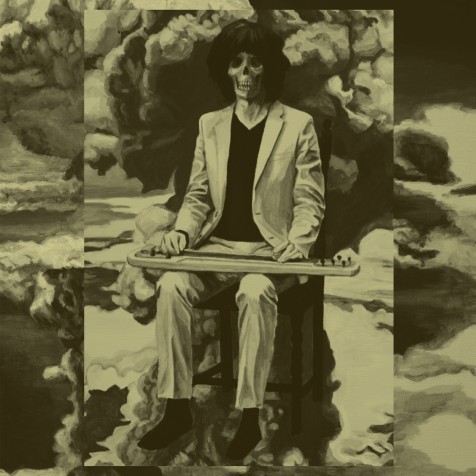
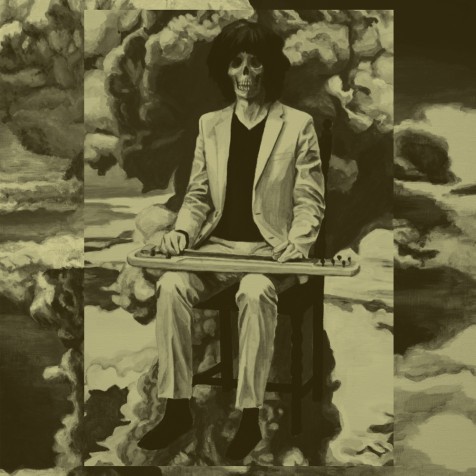
メイヤー・ホーソーンと互いの曲をカヴァーした7インチのリリースなど、国内だけでなく海外からも熱い注目を受けるシンガー・ソングライターの3年ぶりとなる2枚目のソロ作は、いきなり女性の歌声から始まるオープニングにまず意表を突かれてしまう。ゆらゆら帝国解散後、思いつくままにコンガを手にして生まれたスウィートでアダルトなダンス・アルバムが前作だったとしたら、今作は、全体がひとつのテーマ〈人類滅亡後の地球〉を元にしたコンセプト作となっている点が目を引く。バンジョーやスティール・ギターが軽快に鳴り響く“あなたもロボットになれる”を筆頭に、多彩な楽器やムシ声コーラスを用いた洒落たアレンジによるバンド・サウンドが、終末/虚無感を淡々と綴る坂本の言葉(いまの日本に言及したと思しきフレーズがあちこちに)と不気味なコントラストを描いている。
ただし〈終末〉といっても、完全なる厭世とは少し異なるニュアンスが含まれているのが興味深い。“もうやめた”という曲の後に“やめられないなぜか”と続き、最後の“この世はもっと素敵なはず”が〈ぶち壊せ/この世はもっと素敵なはず〉なるコール&レスポンスで締め括られるように、世界の終わりの風景にひとしきり途方に暮れた後で、〈さて〉と腰を上げる意志の存在が仄めかされている。それが表題の〈ナマ(生)〉に繋がっているのかも。どこか細野晴臣のソロ・デビュー作『HOSONO HOUSE』にも通じる、軽やかで芯のある佇まいの〈坂本流ポップ〉が示された逸品だ。 *佐藤一道
手塚治虫の漫画のようなアルバム
ソロに転じてからの坂本慎太郎は、ソウル、ディスコ、ムード・ミュージック、ラテン音楽など、一定の心地良さを醸しながらも、聴き手に共有を強いないようなサウンドに執心するようになっている。それは何かと一体感を強要しがちな近年の(日本の)ロックの在り方に対する抵抗であり、ひいては皆が同じ行動を取るようになっている不気味な現代社会への警告を伝えるものでもあるだろう。
そんな坂本なりの寡黙な啓発が前作以上に危機感ある警鐘となって鳴らされたのが、この2枚目のソロ作『ナマで踊ろう』だ。少女(これまでの坂本作品にも参加したことがある中村宗一郎の愛娘)が歌った唱歌のような“未来の子守唄”から、ハワイアン調のスティール・ギターが響く“この世はもっと素敵なはず”まで、どの曲もある種の緩いムードに覆われている。ドラムスに菅沼雄一、ベースにAYA(OOIOO他)を迎えてトリオで録音されてはいるが、いわゆるロック的なバンド感は皆無で、曲だけ取り出せばハワイあたりのホテルのロビーでかかっていそうな生暖かさだ。なのに、歌詞は個人的な視点を見失った現代人、表情なき現代社会に向けられたもの。サウンドだけで言えば、ラウンジで何となく鳴っているような、子供でも反応できるようなポップスである。でも、そんな雰囲気のなかからファシズムへの助走を警告するかのようなメッセージがヌルッと放たれるこの不気味さたるや! こんな手塚治虫漫画のようなポップスが他にあるか!? *岡村詩野
[English Translation]
Shintaro Sakamoto "Let's Dance Raw"
The newest album by Shintaro Sakamoto is a nonstop pleasingly snug listen, -well, that's if you simply 'listen' to it. Once you surrender yourself to the limitlessly laid-back groove, what slowly rears its head is a reticent warning. Waiting beyond the blandly depicted catastrophe is...
The post-bewildered but yet composed 'well-then'-manner willingness to take action
This second solo work in 3 years by this singer-songwriter enjoying both international and domestic attention for his works, such as releasing a 7-inch split album with Mayer Hawthorne covering each other’s songs, starts off by taking the listener by surprise with opening the album by female vocals. If the previous release can be considered as a 'sweet-adult dance album' born from the beats of a conga played with abandon by the singer after the breakup of Yura Yura Teikoku (the rock band Sakamoto belonged to as the vocalist/guitarist), this one has an eye-catching highlight of being a concept-work built upon one theme, 'post-annihilation earth'. Starting with "Anata mo Robot ni Nareru (You Can Be A Robot, Too)" that resounds with bouncy banjo and steel guitar, the band sound given classy arrangements employing a range of instruments and chipmunk-voice choruses portrays a spooky contrast with the words about apocalypse and emptiness, put together in a detached tone by Sakamoto (and actually of which some phrases seems to refer to Japan today).
Meanwhile, also interesting is that even though the idea of 'apocalypse' is there, there are nuances slightly different from complete pessimism. Like putting after the track "Mo Yameta (Gently Disappear)", a track called "Yamerarenai Nazeka (Why Can't I Stop?)", and concluding the album with "Kono Yo wa Motto Sutekina Hazu (This World Should Be More Wonderful)", a track closing with a call-and-response of "destroy everything/this world should be more wonderful" – as if being bewildered at first with the sight of the world ending, but then picking himself up to move on and take action. Perhaps that is where the term 'raw' in the title comes from. A quality piece somewhat akin to the solo debut work by Haruomi Hosono (of The Happy End and YMO), demonstrating a light and unfazed 'Sakamoto-style pops'.
Written by: Kazumichi Sato
An album like a manga by Osamu Tezuka (known as the godfather of anime)
Ever since going solo, Sakamoto seems to be eyeing over sounds that do not necessarily force sympathy from the listener, even while maintaining a certain degree of comfort from soul, disco, mood music or Latin sounds. That can be interpreted as a form of resistance against (Japanese) rock today that every so often demands 'a sense of unity', and also a warning against this creepy modern society where everyone has somehow become apt to behaving in the same way.
And this second solo work "Nama de Odoro (Let's Dance Raw)" is a piece where Sakamoto's silent edification is made much stronger than the previous album, ringing the warning bell with a much heightened sense of crisis. Including the school song-like "Mirai no Komori-uta (Future Lullaby)" with the singing by a girl (who is actually the daughter of Yura Yura Teikoku's engineer Soichiro Nakamura, and has appeared in previous Sakamoto works), or Hawaiian flavor "Kono Yo wa Motto Sutekina Hazu(This World Should Be More Wonderful)", beautiful with the steel guitar sounds, each song is coated with some kind of a loose atmosphere. The album welcomes Yuichi Suganuma on drums and AYA from rock band OOIOO on bass, forming a trio for the recording, though there is absolutely no trace of a so-called rock band-ishness, and if you simply pick out the tracks without the vocals, it is lukewarm enough to be played in a hotel lobby in Hawaii. However, the lyrics are directed towards modern humans who have lost sight of their own visions, as well as to the expression-less modern society. The sound itself is pops, - something that might be loosely played in the background of a lounge and simple enough for a child to enjoy. But then there is this abnormal eeriness where messages as if giving warnings of the society running up to fascism suddenly slip out! Has there ever been any such pops music like an Osamu Tezuka manga!?
Written by: Shino Okamura