拡散するNYの新世代ジャズの地図――ブルーノートがサインした初の邦人アーティスト
「中学に入ったときにジャズのビッグバンドに引っ張られて、トランペットを吹いたのがきっかけです。いきなり吹かされたんですが、ふっと出した瞬間に気に入ってしまって、それから毎日ですね」
1980年生まれの黒田卓也のその後の人生はジャズ漬けだった。「それが素直にかっこいいと思っていた」と言い切る新世代のトランペッターは、当然のようにNYに行き、ロバート・グラスパーら同世代の優れたプレイヤーが集うニュースクール大学で学んだ。
「アットホームな雰囲気も良かったんですが、夜な夜な同い年かちょっと下ぐらいの連中がジャム・セッションしているのを見て触発されたのも大 きいです。全員ニュースクールにいたんです。グラスパーもホセ(・ジェイムズ)もジャミア(・ウイリアムズ)もいたし、いま活躍している連中があの当時あそこにたくさんいたなと思います」
こうして、黒田卓也は2000年以降のNYの最も刺激的なジャズ・シーンに入り込んだ。大学卒業後もNYで暮らし、自身のバンドを持ち、セルフ・プロデュースでアルバムの3枚目を制作した頃、大きな転機が訪れた。大学の同級生のリサイタルでホセと黒田が一緒にプレイしたことから 仲が深まり、録音中のホセのアルバム『Blackmagic』に参加したのだ。「そこでどうやるかのやりとりがお互いを尊敬しあうきっかけになった。それから、彼がNYで何かやるときは必ず呼ばれるようになったんです」
そして、ホセは黒田をBlue Noteに紹介し、ホセのプロデュースでアルバムの制作が決まる。ドラムのネイト・スミス、ベースのソロモン・ドーシー、ピアノのクリス・バワーズ、トロンボーンのコーリー・キングらホセのバンドの面々が脇を固めた。
「ホセの中では、ローの強い、ヒップホップやR&Bのビートが全編に流れる、70年代のソウル・ジャズの現代版のイメージがあって、 そのコンセプトを伝えられて曲を書きました」


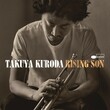
確かにこれまでの黒田のアルバムのストレートなジャズとは違い、黒いビートが全面に出ている。しかし、その中でもトランペットは新しい響きを与えている。「前のアルバムのときに、もう新世代のジャズに入り込んでいた意識はありました」という前作のセクステット名義でのアルバム『Six Aces』の鮮やかな印象を更新している。最後にBlue Noteについて尋ねたが、その言葉には秘めた自信と責任感を感じた。
「Blue Noteの、自分のオリジナルの曲で行けと言ってくれる、その姿勢に尊敬の念を感じるし、スタンダードも入れないといけないとか、クリスマスにはクリスマスソングをとか、ジャズでよくあるチマチマしたところを見せない彼らの大きな音楽性に対して、期待に応えたいと思います」

[English Translation]
Takuya Kuroda’s Rising Son
Interviewed and written by Masaaki Hara
The spreading map of New York’s new-generation jazz – The first Japanese artist signed with Blue Note
“When I entered junior high school, the school’s big band pushed me into playing the trumpet. Even though it was a sudden invite, I fell in love with the instrument the moment I struck a sound. Since then, there hasn’t been a day I didn’t set my hands on the instrument.”
Born in 1980, Takuya Kuroda has been leading a life obsessed with jazz ever since that day. "To me, I knew it was the coolest thing without a doubt", says this new-generation trumpeter with absolute certainty who very rightly relocated to NY and advanced his studies at The New School, joining star quality fellow musicians including the likes of Robert Glasper.
“The homelike atmosphere was fabulous already, but what I really loved was the nightly jam sessions by fellows around my age or perhaps younger, – that was very inspiring. They were all there at The New School then, – Glasper, Jose (James), Jamire (Williams) and many more of those out there in the field today” recalls Kuroda.
And that’s how Kuroda stepped foot and immersed himself in NY’s most exciting post-2000 jazz scene. After graduating university, Kuroda stayed in NY, performed in his own band and released 3 albums, fully produced by himself. That’s when a major turning point came around. Playing together with Jose at an on-campus recital brought the two close to each other, and eventually Kuroda found himself participating in the album Blackmagic that Jose was working on then. “We gained our mutual respect through the exchanges over our thoughts on how things should be on the album, and ever since, whenever there’s something happening in NY, he gives me a call.”
Jose then introduces Kuroda to Blue Note, resulting in the decision to produce Kuroda’s album with Jose as the producer, supported by the excellent backings from Jose’s band with Nate Smith on drums, Solomon Dorsey on bass, Kris Bowers on the piano and Corey King on the trombone.
“Jose seemed to have this concept of a modern version of a soul-jazz piece from the 70s with heavily low beats of hip-hop or R&B throughout the album. My track-making was based on that concept.”
Admittedly, the album sure does have an oozing flow of afrobeats, something different from Kuroda’s past works that were based more on straightforward jazz. Still, his trumpet delivers a strikingly new vibrancy in this new sound set. “I was already aware from the previous album that I was working in a totally new generation of jazz” explains Kuroda. Indeed, the colorful vividness unleashed in that ‘previous’ album, Takuya Kuroda Sextet’s “Six Aces”, has been brought to a totally new level, renewing the impression that one may have had hearing his past works.
His final comments on his impression on Blue Note represent his confidence and strong sense of commitment towards working with the label.
“I have utmost respect to their policy of letting me fully compete with my own original works. Also they don’t have this button-downed ‘make sure to include jazz standards’ or ‘let’s make Christmas songs because it’s Christmas’ tacks that are so typical to jazz labels, and this kind of broad-minded musical capacity, I admire truly and am excited and determined to meet their expectations."”