混沌とした被害者意識を抜け出して、自身の思い描く不確かな希望へ──
〈第3変態期〉に突入したバンドの2年半を封じた12の精鋭たち
「いまの僕は〈第3変態期〉だと思うんです。今回のアルバムはメジャーに移籍してからの2年半を網羅しているんですけれども、音だけじゃなくて、その間に生まれた自分の音楽への気持ちの変化もすべて含まれた作品になったと思います」(松本明人、ヴォーカル/ギター)。
ソングライターの松本を中心に、人間が抱く混沌とした感情を、ときに激しい、ときに鬱々としたギター・サウンドで紡いできた真空ホロウ。セルフ・タイトルが冠された待望の初フル作『真空ホロウ』は、バンドと共に歩いてきた代表曲と新曲で構成。「全部がリード曲で即戦力」(松本)な12曲が収録されている。


「曲順や曲数はかなり悩みましたね。自分たちとしては入れたいけど、その1曲があることでアルバム一枚がつまらなくなってしまわないように、〈人が聴いてどう思うか?〉ということを大事に考えました」(村田智史、ベース)。
スリーピースのバンド・アンサンブルを基盤としながら、本作では新機軸も導入。彼らを形成するファクターのひとつである昭和歌謡のテイストと、閉ざされた現代社会のひとコマを切り取った歌詞の取り合わせが言わば〈平成歌謡〉な“Tokyo Blue bug”や、3人が共通してフェイヴァリットに挙げるトゥールをイメージしたという深淵なミディアム“こどものくに”、また、初めてプロデューサーを起用した“MAGIC”では4つ打ちが採用されていたりと、随所で驚かされつつも、どことなく濁った、半透明な音像が心地良い。
「昔はライヴ中にじっと聴いている人が多かったんですけど、最近は〈もっと楽しみたい〉という雰囲気を感じるというか、身体を動かす人が多くなってきて。じゃあどういうビートにすれば気持ちいいのかなっていうのは、かなり試行錯誤してますね」(大貫朋也、ドラムス)。
そうした精鋭のなかから彼らがリード曲に選んだのは“回想列車”。かつてアンプラグド・ヴァージョンとして発表したものを、温かみのあるバンド・サウンドにリアレンジしている。
「それまでの僕は、少なからず被害者意識みたいなものがあって、誰かから言葉を投げ付けられて、そこで生まれた傷とか疑念とか劣等感から曲を書くことが多かったんです。ただ、“回想列車”に関しては、言葉を投げてくるその人の感情そのものをどうにか汲み取れないかと思って書いた曲で。ライヴでもエグいぐらいに良い反応が返ってくるんですけども、ちょっと失礼な話ではあるんですが(苦笑)、そういう反応に僕はちょっと恐怖心があるし、信頼し切れない自分がいて。でもきっと、それを超えたときに、僕が思い描いているなにかしらの希望というものに一歩近付くんだろうなと……そういう曲が作れたらいいなと思って、いまは日々リハビリをしている感じです(笑)」(松本)。
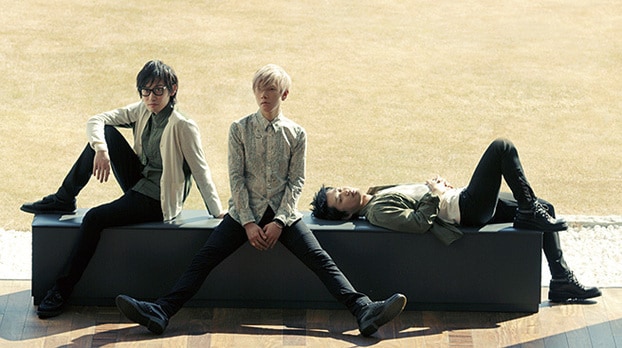
Freeing themselves from chaotic victim mentality, shinku-horou (VACUUM HOLLOW) moves forward to the uncertain hope they visualize within themselves: The best and brightest 12 tracks enclose their two and a half years of the band that has entered their [Tertiary metamorphosis]
Text by Tetsuo Yamaguchi
(Note: Members Murata (bass) and Onuki (drums) have left the band with the live show on July 18th, 2015 being their final.)
"I'm at my [Tertiary transformation]
"We discussed the number and order of the tracks a lot. Say, if there were a tune that we wanted to include, but has the possibility of dulling the whole album, we wouldn't include it. Our priority was 'how our listeners would feel when listening to the album.'" (Satoshi Murata, Bass)
Based on band-form ensembles by the three-piece, this album is given additional impetus. Showa (the period between 1926 to 1989 in Japan) pop music taste, which is one of the factors that form the band, and lyrics that are like cutouts from scenes of our daily life in this modern and closed society are combined to create their 'Heisei (the period since 1989) pop music' in "Tokyo Blue bug." Tool, the all-three-members' favorite band, was who they had in mind when they made the profound medium tune, "Kodomo no Kuni (meaning Children's Land.)" Meanwhile, four-on-the-floor is applied in "MAGIC", the track which they introduced a producer for the first time. With such surprises seen everywhere, their somewhat cloudy and translucent sound images make us feel good.
"Most of our audience used to enjoy our performance very quietly, but recently I feel the atmosphere of the audience appealing that they 'want to live it up' because I've seen more and more people in the audience moving their bodies to the music during our shows. So, we've tried hard by trial and error, looking for beats that would groove our audience." (Tomoya Onuki, Drums)
From the best and brightest 12 tracks, they chose "Kaiso Ressha (meaning Recollection Train)" as the leading track. They once released this track in an unplugged version, but they rearranged it to a warm band sound this time.
In the past, I more or less had this victim mentality. When someone threw words at me, I used to change the scars, doubts, or inferiority complexes I felt into my songs. But when I made "Kaiso Ressha," I tried to appreciate the emotions of people who actually throw such words. At our performances, the audience reacts to this song very well, almost bitingly. Well, it's kind of rude (bitter smile), but to be honest, I feel a little scared to see this kind of reaction and find it hard to trust. But I believe that once I get over it, I'll get close to the sort of hope I've been visualizing. With hopes to make such songs that reflect that, I am kind of undergoing rehab every day (laughs)." (Matsumoto)