BAND-MAIDのメジャー4作目となるアルバム『Unseen World』のリリースを記念して、タワーレコードではフリーマガジン〈別冊TOWER PLUS+〉を発行! ここではその中面に掲載されたインタビューの完全版と、その英訳を掲載いたします。別冊TOWER PLUS+は、タワーレコード全店にて1月20日(水)より配布中です!
※タワーレコードオンラインは除きます。※別冊TOWER PLUS+は無くなり次第終了となります。※天候や交通事情により配布が遅れる場合がございます。
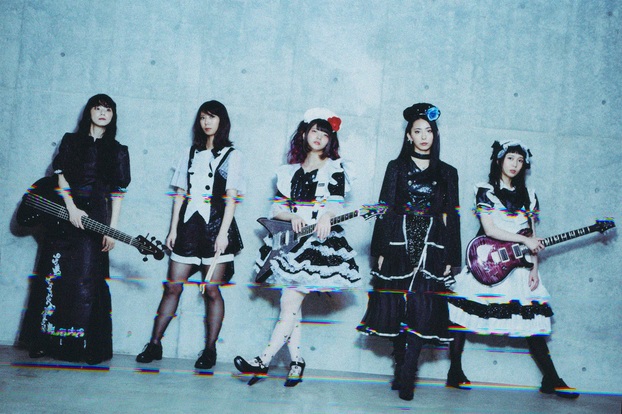
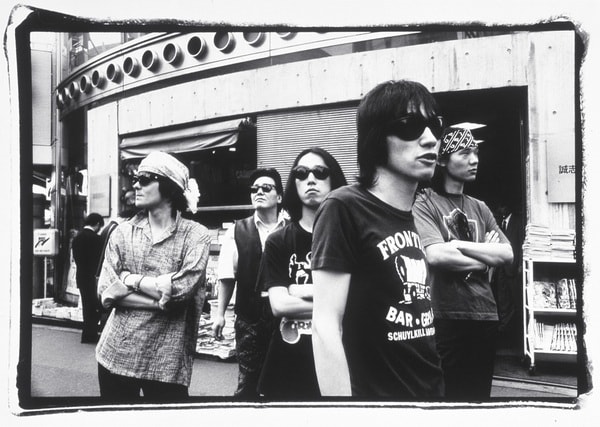
目標は〈世界征服〉。メイド姿の女性5人組ロック・バンド、BAND-MAID。メイドの世界観を展開する一方で、その世界観とは相反するハードロック・サウンドを武器に観る人を魅了し、全世界規模で世界征服を進めている。2021年には満を持して日本武道館でのお給仕も控える中、メージャー・フォース・アルバム『Unseen World』がリリース! 『Unseen World』についてメンバー5人に制作の裏側を語ってもらった。
※このインタビューは、日本武道館公演中止発表前に収録されたものです。


――いよいよリリースとなったニュー・アルバム『Unseen World』ですが、本作はどれぐらいの制作期間で作られましたか?
小鳩ミク(ギター・ヴォーカル)「今回は(2020年)2月に渋谷公会堂(LINE CUBE SHIBUYA)でお給仕(ライブ)をやったときから制作を始めたものが多くて、そこから11月にレコーディングをやったんですけど、それまではずっと制作していましたっぽ」
――2020年は例年と比べて特殊な状況下での制作になったかと思います。これまでと制作における変化はありましたか?
小鳩「制作の仕方は大きくは変わってないんですけど。コロナ禍で自宅でやる作業が増えたので、それぞれの自宅機材の質を上げたり、いつもはあせあせと急いで作って急いでアレンジして〈急げ急げ!〉っていう感じが多かったんですけど、今回はじっくり1曲1曲デモの段階から作ることができたので、より1曲に対する完成度を上げた状態でレコーディングに取り組めたのは、これまでと大きく違いますっぽね」
――となるとそれぞれのパートに対する向き合い方はより深くなったかと思いますが、具体的に楽曲制作におけるみなさんの取り組み方はいかがでしたか?
MISA(ベース)「今回は時間もあって1曲1曲とより向き合えたので、今までは自分の手癖とか多かったんですけど、そこから一歩先を考えて〈この曲だったらこのフレーズが合うな〉とか〈こういうフレーズは弾いたことないな〉とか意識してベースラインを作りました。そこはやっぱり時間があったからこそできたものはありますね」
AKANE(ドラムス)「私は自粛期間中に個人練習をめちゃくちゃ詰め込みました。いつもはツアーもあって個人練習を長時間なかなか確保できていなかったんですけど、2020年は自粛期間の時間をフル活用して個人練習にあてました。その甲斐もあってレコーディングのときはスムーズというか、フレーズの細かいところもそうですし、今回はBPM(楽曲のテンポ)の速い曲が多いんですけど、それにちゃんと対応できるようになっていました。具体的にはフィンガートレーニンングや足の連打の練習を中心にやっていたので、そこでも自分の成長が感じられたアルバムになっています」
SAIKI(ヴォーカル)「今までは自宅で全力で歌える環境ではなくて、まあそれでも6割ぐらいは出しちゃうんですけど(笑)、自粛期間でアルバムを作っていたこともあったので、まず家で録れる環境を整えました。今までツアーに出ていたりとかで家にいる時間が少なかったので、あまり自宅の環境を整えていなかったので、そこから改善しましたね。おかげで仮歌を録るときも〈音質が良くなって助かった〉と言われました(笑)」
KANAMI(ギター)「たしかに音の質がすごく上がったので、デモを作るにあたってのミックスなどもしやすくなりましたね。私はコロナ禍でずっと引きこもっていたんですけど、その間はとにかくリフを作ってました。リフをとにかく作る作る作るっていう感じで、今回のアルバムもそのリフからチョイスして作っていった曲が多いです。技術的には今回のアルバムに限らず前からテンポを落としてギターソロを作るとか、ギターソロをピアノで打ち込んでとかで作っていたんですが、今回はそういうのも活かしつつ自分でも数か月練習しないと弾けないフレーズも入れています。そういう点でも自分の成長にもつながるアルバムになっていると思います」
――小鳩さんは本作でもすべての歌詞を手がけられていますが、作詞という面において変化はありましたか?
小鳩「いつもだったら歌詞は急ピッチで詰め詰めで進めることが多いんですけど、今回は作詞の時間が比較的ゆっくりとれた曲もありましたっぽ。違いというと、いつもだったらお外でリフレッシュしながらとかいろんなインスピレーションを感じながら作詞できるんですけど、今回は自粛期間だったのでそれがなかなかできなかったので、ひたすら漫画とか読み漁っていましたっぽね。〈読む〉っていうことのほうが文字を目にしながら絵も感じられるのでインスピレーションを受けやすくて。今回の歌詞はKANAMIからデモをもらった時点で、ストーリー性のある歌詞がいいなと思ったので、そういうところからインスピレーションを受けて書きましたっぽね」
――ちなみにどんなジャンルの漫画を読まれていましたか?
小鳩「ジャンルは色々なものを読みましたっぽ! 恋愛漫画とかジャンプ系とか、すごく昔の漫画も読みましたし、いろんな漫画を一気に読み漁りましたっぽ。詐欺師の漫画、歴史系の漫画、メンヘラ系の漫画も読みましたし(笑)、ジャンルは幅広く読みましたっぽ」
――そうして作られたニューアルバム『Unseen World』はバンドとして原点回帰/現点進化を謳った作品となりました。
小鳩「もともと〈原点回帰〉というテーマは初期の私たちに近いテイストをイメージしていて。当時はまだ作曲家の方に書いていただいた曲が多かったので、その頃の音を今の自分たちだけで作ったら面白いんじゃないかっていうのが始まりだったんですっぽ。それと並行して今の私たちにとって挑戦的な楽曲も作っていたので、じゃあそれを〈現点進化〉としようとなって。この2つのテーマを1枚にまとめたら、結果的にこういう感じになりましたっぽ」
――たしかに〈原点回帰〉というかつてのハードロッキンなサウンドがありつつ、一方で〈現点進化〉というアグレッシヴなアプローチも衝撃的でした。
小鳩「全体的に今回攻め攻めが多くなったのは、コロナ禍だったから、というのもあるかもしれないですねっぽ。元気を出さねばと」
AKANE「毎回難しいことをやりたくなる、自分たちで自分たちのハードルを上げていくというのは今回も出てしまったなと(笑)」
小鳩「前作は幅を広げて今までやってこなかったミドルテンポや綺麗な楽曲を多めにやってみようというものが芯にあるので、それとはまた違ったアルバムになったと思いますっぽ」
――いわゆる〈現点進化〉を感じさせる、”Warning!”や”NO GOD”などはプレイとしても非常にタフだなと。
小鳩「しんどさは年々上がっていますっぽ(笑)!。楽曲のレベルが上がっているので。正直作ってやっているときは、お給仕(ライブ)でやることまで考えていない自分がいるという感じですっぽ」
SAIKI「演奏の大変さはあまり考えずに〈これかっこいい! これやろやろ!〉って感じで(笑)」
AKANE「曲を完成させるまでに個々でスキルアップしてから挑んではいるんですけど、いざレコーディングやお給仕でバンドで合わせるときに、またしんどさがあるという(笑)」
――制作期間で上がった個々のレベルを、レコーディングでまた一段階引き上げるんですか?
小鳩「曲を作り出しているときはまだ自分がそのレベルに達していないことが多いですっぽ。制作していってレコーディングしてお給仕で披露するまでに、ちゃんと自分たちもレベルを上げるというか。そのハードルを超えるために頑張るという感じですっぽ」
SAIKI「レコーディングのときはみんな動かないもんね」
小鳩「パフォーマンスを考えていないですっぽね。〈お給仕になってこれどう動こう?〉ってなりますっぽ(笑)」
AKANE「表情も作らなくていいから職人のように真剣な表情で、黙々とやっているもんね」
――たしかに個々のパートにおいてもよりレベルが上がったと感じさせるプレイが多々聴かれました。ヘヴィなサウンドにおいては特にリズム隊の進化が感じられたかと。AKANEさんのドラムもキックのバリエーションが非常に豊かになって。
AKANE「スキルレベルは年々上がっていますね。速さもそうですし、バスドラのキックの連打の多さも。基本的にKANAMIがフレーズの大まかなものはデモで作ってくれるんですけど、”BLACK HOLE”では7パターンぐらいキックのバリエーションは提出して、それでどれがいいかメンバーに聴いてもらったりしました」
KANAMI「最初、タイトルが〈地獄〉だったよね」
AKANE「そう、地獄っていうタイトルで、あとは辛いとか、普通と楽勝とかパターンを出して、難易度別に出していたんですけど、タイトル〈地獄〉になりました(笑)。地獄を選んでくるんだろうな、普通は選ばないんだろうなって思っていたんですけど」
SAIKI「速攻だったよね、〈じゃあ〈地獄〉で〉って(笑)。なんなら〈〈楽勝〉は聴かなくていいや〉って」
KANAMI「私もデモ作りのときは、以前はドラムの叩き方をあまり勉強していなかったので、実際に叩こうとすると手が3本になっちゃうことはよくあったんですけど(笑)、最近は3本にはならない、人間業じゃないというものはなくなりました。でも、もうちょっと頑張ったらできるんだろうなっていう想定はしながらやっています。ベースも、たまにちょっとこういう感じが欲しいというのを入れたりするんですけど、基本的にはMISAのご自由にって」
MISA「私も、今までで(ピッキングする)右手がいちばん忙しいアルバムでしたね。特に”NO GOD”や”Why Why Why”とか。基本はピック弾きなんですけど、そこにスラップも入れているから、テンポが速いことで、さらに右手が忙しくなるという(笑)」
――ベースでは左手のフィンガリングが忙しいという表現はありますが、本作ではスラップも多く、たしかに右手が忙しい印象です。
MISA「普段はピックで弾きつつスラップもやっているからしょうがないんですよね。テンポここまで速いのとピックの鳴りが好きだからというので、指弾きではなくピック弾きにはこだわっています」
――”本懐”などベースが引っ張るような楽曲も多いですね。
MISA「そうですね、”I still seek revenge.”とか。スラップが多い曲は今まではそこまでなかったので、お給仕のことを考えずに作ったら大変なことになったという。筋トレしないと(笑)」
――KANAMIさんのギタープレイも、”Manners”などリフで押すスタイルが印象的で。
KANAMI「今までもリフは特に意識していて、リフとメロディがグッとくるものだったら聴いてくれる方の心や耳により残ると思っていて。今回もリフ先行で作ったものが結構多かったですね」
――そんなハードなサウンドのなかで、ヴォーカルもまたすさまじいパフォーマンスでした。
小鳩「息ができなかったね、全部(笑)」
SAIKI「ブレスの位置をどうしようかなって(笑)。今回はデモ制作から時間をかけて綿密にやり取りして詰めていけたので、楽曲に対するコンセプトが前のアルバムよりも詳しく理解できたと思います。最初は今まで通りに歌おうとすると〈あれっ、息どこだ!?〉っていうのはあったんですけど、そこから計算して声量のバランスも研究しながら変えられたのが大きくて。〈ここまでは5割ぐらいでいこう〉とか、自分のバランスで歌うことができました」
小鳩「あとキーもね。ちょっとギリギリで」
SAIKI「トップにいる時間長いなって(笑)。もともとトレーニングが好きなので苦ではないけれど、体作りの面で〈準備しておいてよかったー!〉って思いました。
小鳩「〈現点進化〉のほうは消費カロリーが……」
SAIKI「めちゃくちゃ上がっているよね。レコーディングもとりあえずワンコーラス歌ってみると〈……ハア、ハア〉って(笑)。あとは11月にまとめて撮ったので、寒くて。でも制作のときは夏の喉でやっていたので(笑)。季節によって体の状態も変わるじゃないですか。寒くなったら口回らないなあって」
小鳩「細かいメロディも多かったですし、〈現点進化〉は言葉数もどんどん増えていったので、細かい言葉になると〈夏歌えてたのにな〉っていうのがありましたっぽね」
SAIKI「冬は乾燥するし、〈夏は喉も潤ってたんだよなあ〉って(笑)」
――アグレッシヴなだけではなく、今日の展開も複雑なのでそこでのヴォーカルアプローチがまた多彩なのも〈進化〉を感じさせるものでした。
小鳩「最近のBAND-MAIDの楽曲は〈これ同じ曲なのかな?〉っていうぐらい1曲のなかでの別のメロディー展開が多いので」
SAIKI(KANAMIに向かって)「みんなに言われるからそうするんだよね? みんなが〈展開多くしてください〉って」
KANAMI「うん(笑)」
小鳩「メンバーが求める要素をまとめたらこうなったよっていう(笑)」
KANAMI「曲の展開はすごく考えますね。Aメロは2番だとこう変えようとか、ここを10小節にしようとか、なるべく要望をもらったもの近づけるように考えていますね」
――また小鳩さんのヴォーカルによる”サヨナキドリ”はアルバムのなかでも印象的なキャッチーさがある曲ですが、その一方でプレイの方も変拍子があったり複雑なサウンドで。
小鳩「そうですぽね! 大変といえば大変な曲でありますっぽ。ただシンプルにキャッチーなだけじゃないんですっぽ。メロディはキャッチーな感じでってKANAMIにお願いして、そこから2パターンぐらいもらって、さらにもうちょっとAメロをこうしてほしいとかいうやりとりをしましたっぽ。キャッチーさでは他の曲とは違う印象なんですけど、楽器は難しくしていたので、そこはBAND-MAIDらしさが出せたのかなって思いましたっぽ。アルバムだからこそ小鳩ソロヴォーカル曲を入れられるというのはありますし、今回も喜んでもらえる曲にできたらいいなって思いましたっぽ」
――そしてアルバム(初回盤、通常盤)の本編ラストを飾るファストナンバー”BLACK HOLE”のインパクトもまたすさまじいですね。
小鳩「そうですっぽね、〈ザ・カオス〉という曲ですっぽ(笑)! 裏タイトルは〈カオス〉です」
SAIKI「なんか……バンドのグルーヴっていう感じじゃないよね、〈みんなそれぞれ頑張ろう!〉っていう曲で(笑)。〈絶対に遅れるな!〉みたいな」
小鳩「みんな並んで走れっぽ! 大変で横は見られないけど(笑)!」
AKANE「テンポ遅れた人から脱落していく(笑)」
SAIKI「〈脱落しないでー!〉って(笑)」
AKANE「大変ですね、一度転んだら戻れないから」
SAIKI「特にアウトロは……すごいね。今までにない感じだから」
KANAMI「みんなでわーって走り抜ける!」
SAIKI「そんなにかわいい曲じゃないけどね(笑)」
KANAMI「足が漫画みたいにくるくるーってなるみたいな(笑)」
SAIKI「そのとき私はもう〈行ってこい!〉って見送るかたちです」
小鳩「多分これまで聴いてきたご主人様、お嬢様も”BLACK HOLE”は予想できない展開だと思いますっぽ(笑)」
――たしかに予想のつかない作品である一方で、これまで応援しているご主人様、お嬢様にはもちろん、国内外含めた幅広い層に刺さる1枚となったと思います。
小鳩「ありがとうございますっぽ。活動初期と最近の楽曲テイストは違うけれど、どちらも自分たちの楽曲だし、どちらもBAND-MAIDなんだよっていうのを伝えたくて。〈今の自分たちなりに、あの頃の曲を進化させたらどうなるか?〉と〈原点回帰〉を作ったし、〈現点進化〉は今よりバンドとしてさらに進化していきたいんだっていう、意思表示でもあるんですっぽ。進化をしながら私たちの歴史を詰め込んだ1枚にもなっているので、初めて聴く方にも聴き応えのある1枚になっていると思いますっぽ」
――2021年に本作をリリースして、BAND-MAIDのあらたな一歩が始まるわけですね。
小鳩「はい。〈まだ見ぬ世界へ〉という意味のタイトルにしたのもそうですけど、またこのアルバムから、ここから新たな一歩なんだという思いもこもっていますっぽ。」
――そして、本作をリリースしたあとの2月にはバンド初となる、日本武道館でのお給仕が待っています。
小鳩「そうですっぽね、アルバムが完成した今は2月に向けて考えて動いていますっぽ」
――改めて日本武道館という聖地でのお給仕についてはどうお考えですか?
小鳩「日本武道館を目標とするアーティストはたくさんいるわけじゃないですかっぽ。それだけ大きい存在である武道館で初めて演奏できるので、それはすごく大事にしたいなと思いますし、一方でBAND-MAIDの最終目標が〈世界征服〉という、とてつもなくでかいものを掲げているので、それに向けてのひとつの登竜門として考えていますっぽ。大御所やすごい人たちが通る道なので、そこをやることによって次に進んでいけるような武道館にできたらいいなと思いますっぽ。そこで見えることも増えるはずですっぽ」
SAIKI「海外でも〈BUDOKAN〉って認知している人が多いので、自分たちが日本のバンドとして海外に行くうえで、大事なものになるかなと」
AKANE「私はなんか……感動して泣いちゃいそうです(笑)。国内外のいろんなアーティストのライブで、いちばん観に行ったライブ会場だし、いつか私もあのステージに立ちたいという憧れがずっとあった場所なので。〈私たちの番だ!〉っていう気持ちが強かった会場なので、2月は思いっきりバシッと決めたいと思います」
MISA「自分が生きている間に武道館のステージに立つとは……って思います」
小鳩「重たい(笑)!」
MISA「夢だったので」
SAIKI「これから何回もやるから!」
MISA「私、新木場(STUDIO COAST)に立つのが夢だったんですけど、2018年にそれが実現して、その次にもっと広いステージに立てるなんて……うれしいさー」
SAIKI 「……うれしいさー(笑)?」
小鳩 「うれしいさーって言った? 沖縄の人だっけ(笑)? 絶対言ったっぽ!」
MISA 「……そうなの(笑)」
小鳩 「ここは使ってくださいっぽ(笑)」
――わかりました(笑)。KANAMIさんにとって武道館とは?
KANAMI「私は、カルロス・サンタナが好きで、サンタナが最後に来日したとき(2017年)にやった武道館にも行ったんですよ、AKANEに一緒に来てもらって。そのときに〈私はここでやるんだ~!〉って思っていたんですけど、それが叶うのがすごくうれしいです」
――2020年はなかなかお給仕ができない状況でしたが、2021年は武道館を皮切りにさまざまな場所でのお給仕を期待したいですね。
小鳩「とにかく2021年はお給仕をいっぱいできたらいいなと思っていますっぽ」
SAIKI「ツアーを回りたいよね」
小鳩「できることを祈ってという感じですっぽね。こればっかりは自分たちでどうにかできることではないけれど、2020年はオンラインお給仕という新しい方式でのお給仕もできたので、それを含めつつうまくお給仕をやっていけたらなと」
――2020年は3度オンラインでのお給仕を実施しましたが、リアルでのお給仕とはまた感触が違いましたか?
小鳩「プレイの仕方は全然違いますっぽね。やっぱり対カメラになるので、そこの違いは結構大きくて、最初のオンラインお給仕は硬くなって終わってしまって〈ムズカシー!〉っていうのが残りましたっぽ。で、2回目で慣れてきて3回目はフル尺でのお給仕で、それはそれで緊張したんですけど、見せ方としては3回目がいちばんうまくできたのかなって、オンラインお給仕らしさが出たのかなって思いますっぽ」
――いい感触を掴めたあとの、次回のオンラインお給仕も楽しみにしたいですね。
小鳩「そうですっぽね、ひとつの見せ方として積極的に取り入れたいと思います」
SAIKI「そう、オンラインならではの良さもあって。海外のご主人様・お嬢様もいらっしゃるので、海外のツアーで直接行かないと観てもらえないというのをどうにかできないかなって常々思っていたんですね。今回きっかけはコロナ禍というネガティヴな始まりでしたけど、結果、海外のご主人様・お嬢様にもお給仕を観てもらえたのは良かったです。普段のお給仕と違うパフォーマンスもできたし」
小鳩「アーカイヴで残せたりもするので、何度もご主人様・お嬢様に楽しんでもらえるし、海外のご主人様・お嬢様にもより私たちを広めるきっかけになるんじゃないかなって思いますっぽ」
――『Unseen World』というとてつもないアルバムから幕を開けるBAND-MAIDの2021年、また大変なことになりそうですね。
小鳩「楽しみですっぽ! 大変なことにしたいですっぽ!」
BAND-MAID, the five-piece female rock band clad in maid outfits, takes major strides towards achieving their goal – “world domination”. While vividly depicting the characteristic maid concept, they are also armed with aggressive hard rock sounds that completely contradicts the culture they portray, mesmerizing their audiences at a global level. As they wait to provide their ‘serving’ at the Nippon Budokan scheduled ahead this year, 2021, the band has announced the release of their 4th major label album – “Unseen World”! We’ve had the band spill out the inside stories of the making of the album, “Unseen World”.
*This interview was conducted before the Budokan show was cancelled.
― So we’re finally seeing the release of your new album, ”Unseen World”. How long did it take to put the whole album together?
Miku Kobato (Gt&Vo): We started production of many of the songs from when we did our serving (BAND-MAID’S concerts are referred to as ‘servings’) at the Shibuya Kokaido (currently renamed into LINE CUBE SHIBUYA) back in February. The process went on until we did the recording in November.
― Compared to many other years, you must have had to work on the production under unusual circumstances last year. Were there any differences to the production process compared to past productions?
Kobato: There weren’t any big differences to the production procedure itself. Although, because we were having to do more at home due to the Covid-19 pandemic, perhaps the difference would be that each song had been honed more closer to perfection by the time of recording. That’s because, for instance, each of us were able to pay more attention to the quality of the equipment we had at home, or what used to be a rushed and pressed process of making tracks and then arranging the songs, this time, we were able to take ample time on each song from the demo stage. So that may be a big difference from before.
― If that’s the case, I’m thinking that each of you engaged with your own role in more depth. How did each of you approach your roles, specifically in terms of song-making?
MISA(Ba): In my case, there were many times I’d turn to my own mannerism in the past, but because of the time allowed and the deeper commitment to each and every song this time, I was able to think a step further, for example, I’d be thinking “maybe this phrase suits this song better”, or “I’ve never tried this phrase before”. I was conscious of these thoughts when I was writing the basslines. Again, that was possible all the more because we had that time for ourselves.
AKANE(Dr): I crammed as much personal practice as possible in to the time I had during the self-restraint period. Usually, because of being on tours and such, I hadn’t been able to secure sufficient time to practice by myself, but this time, I made use of the time given to the fullest. And that seems to have prepared me for a smoother recording process. I was more comfortable with the intricate parts of the phrases and was also able to handle the higher-BPM tracks, which we have many of on this album. To be more specific, I focused mainly on exercises such as finger training or feet drum rolls, and I can feel the advancement of those in the album.
SAIKI(Vo): In the past, my home wasn’t really equipped with the ideal setting to practice singing full-out… well yes, maybe I was singing out at about 60% though (laugh), but since we were at the times of self-restraint and we had to stay in, I decided to arrange for a setting at home where I could record properly. We were always so away from home being on tour and everything and I hadn’t really been managing the environment at home, so I started from there. And thanks to that, it seemed to have pleased the members too, saying that even tentatively recorded songs “have much better sound quality”.
KANAMI(Gt): That’s true. And, because the sound quality was improved so much, mixing the tracks for making the demo was much easier too. I had myself pretty much locked in due to the Covid situation, and all the while during that period, I was working away making riffs. Just making and making and making riffs, out of which many were chosen for the songs on the album this time. Irrespective of this album, I had been technically training myself regularly by, for example, composing guitar solos on a slowed down tempo, or making guitar solos by pre-recording them on the piano. I leveraged those practices into the album and even included phrases that I’d usually need months of practice to master, so in that sense, I think I can say that this album has contributed much to my own professional progress.
―Kobato-san, you’ve written the lyrics for all the songs on the album this time again. Did you see any changes in terms of songwriting?
Kobato: Usually, the songwriting would be done at a rapid rate in a tight, tight schedule, but for this album, I managed to allocate a decent amount of time for a numberof the songs. One difference I can raise is that, I used to get my inspirations for the songs by taking some time outside, freshening up my mind etc., but because we were in this voluntary lockdown state, I didn’t quite have the chance to do that. So I just kept binge-reading things like mangas. ‘Reading’ works pretty well as a source of inspiration since you get to see both written characters and illustrations. I already knew that I wanted the lyrics to have some kind of a story-telling nuance to them from when I received the demo tracks from KANAMI, which is why I decided to look to such sources for inspiration.
― By the way, what genres of manga did you read?
Kobato: Oh I read all sorts! From romance to manga series published in the “Weekly Jump” magazine, and even manga from old times. I kept reading unstoppably and the genres I covered was really wide – it ranged from stories of con men, history or even about the mentally troubled (laugh).
― And following those circumstances, the new album 『Unseen World』 comes to life as a production that advocates ‘Genten_kaiki (back to the roots)’ and ‘’Genten-shinka (evolution from the present)’.
Kobato: The theme <Genten-kaiki> calls up the images of the music of when we started out. Back then, many of our songs were still being written by professional composers, so we thought it might be interesting to see how the songs would come out if we, as of today, made those songs just by ourselves. That’s how it started. But at the same time, we were also making tunes that were quite challenging for us, so we decided to bundle those under <Genten-shinka>. And putting these two themes together, this is the result you get.
― It is indeed quite stunning, the way you have the good old hard rock sounds in <Genten-kaiki>, but also take an aggressive approach in <Genten-shinka>.
Kobato: Perhaps the reason we have a good number of attack-mode aggressive tunes is that because we had this whole Covid situation. Like, we needed to pick ourselves up.
AKANE: I think the usual tendency of wanting to do something difficult and raising the hurdle for ourselves BY ourselves ―that came out again (laugh)
Kobato: With the previous album, we had this core concept of broadening our musical hemisphere, putting a little more weight on middle tempo tracks or neat and beautiful songs that we’d never done before. I’d say that the album this time is quite different from that.
― The so-called <Genten-shinka> aspects are prominent in songs like “Warning!” or “NO GOD”, but listening to them properly, I’m thinking that playing them must have been really tough!
Kobato: Yeah, the pain level is rising every year for sure (laugh)! That’s because the level of the songs are getting higher. To be honest, I don’t think we’re thinking of how they’re going to be when we actually play them live at the servings.
SAIKI: It’s like we’re just going, “yes, this is so cool! Let’s just do it, yes let’s!” with zero thoughts to how we’re going to have to play them (laugh).
AKANE: Each of us work hard enough to brush up our skills before so that we can complete the songs, but when we actually get together for the recording or serving, there’s this other pain we need to overcome of us having to coordinate with each other (laugh).
― So you mean, each of you raise your individual levels during the production period, but then when you enter recording, you need to raise your levels even more?
Kobato: When we’re making the songs, many of the times we’re not really at the required level yet. We work through the production process and recording and try to bring ourselves to the expected level before unveiling the song at the serving. So we simply work hard to get over that hurdle, I’d say.
SAIKI: We’re pretty ‘still’ at recordings, aren’t we?
Kobato: (At that time,) we’re not really thinking about performing the songs. But then when the actual serving comes, we’re like “ok, how are we gonna do this? (laugh)”
AKANE: You don’t even need to have a facial expression, so we end up working away in silence wearing serious faces as if we were some craftsperson.
― Yes, there were many renditions in each individual part where the improvement of skills was fairly prominent. Especially with the heavier sounds, you can tell the advancement of the rhythm section. The variation of kicks on AKANE’s drums has definitely been enriched.
AKANE: The skills level is rising every year. Not just in terms of speed, but also in the number of drum rolls on the bass drum. KANAMI usually puts together a demo with a rough version of the phrases, but this time for the track “BLACK HOLE”, I submit about 7 patterns of kick variations and had the members listen and decide on which one to use.
KANAMI: Each of them had names, and the first one was ‘地獄 (hell)’.
AKANE: Yes there was ‘Hell’ along with others like ‘Painful’, ‘Normal’ or ‘Easy-peasy’. They were named after the difficulty levels, but we decided to go with ‘Hell’ (laugh). I had a hunch that we’d choose ‘Hell’, not ‘Normal’.
SAIKI: It was an instant decision. “Yup, it’s ‘Hell’! We don’t even need to listen to ‘Easy-peasy’!!” Just like that(laugh)!!
KANAMI: For the demos I make, before, I hadn’t really properly studied how to play the drums myself, and I often ended up making drum lines that require three arms to play (laugh). But now I’m more controlled and can come up with things that doesn’t require three arms nor require you to be non-human. Although, I do always try and imagine what we might be capable of if we worked just a little bit harder. Even for the bass, I sometimes pop in something that ‘maybe I’d like to hear’, but of course it’s always up to how MISA feels.
MISA: I can say it was the busiest album for my (pick-using) right hand. Especially songs like ”NO GOD” or ”Why Why Why”. I’m basically a pick user, but when slapping is added on top of the fast tempo, the right hand simply needs to move faster (laugh).
― We usually hear how the fingering of the left hand gets really busy on the bass, but as you say, there is a good amount of slapping that leaves the impression of a busy right hand for sure.
MISA: Yeah, I guess that’s what happens when a pick-user slaps. Because of the fast tempo we have and because I like the way pick-playing sounds, I do place importance on playing with a pick, rather than using fingers.
― There are many tracks where the bass sound lingers, like the song ”本懐 (reads Honkai)”.
MISA: Very much so – for instance, ”I still seek revenge.” We never had that many songs heavy with slapping before, so it’s like a result of what happens when you make songs without any consideration of playing live at servings. I think I need to start working out now (laugh).
― KANAMI’s guitar play is also pretty striking like in the way the riff is presented at the forefront in the song, ”Manners”.
KANAMI: I’ve always paid special attention to riffs. I think that if the riff and melody were something that properly strikes the chords, the songs would always remain in the hearts of the listener. For this album, many of the songs were built upon the riffs that were made ahead.
― And amidst the hard aggressive sounds, what a hell of a performance on the vocals!
Kobato: I was hardly able to breath – on any of them (laugh).
SAIKI: We did think about where to take breaths (laugh). I think we understood the concept of each song better, compared to the last album, because of the time allowed for detailed discussions all the way from when we started the demo making. At first, there were times we had to stop and think “oh where am I supposed to breath!?” as we were trying to sing in the way we used to, but we managed to figure that out by studying and adjusting the balance of voice volume – that was really meaningful. We’d go “let’s go at 50% up till this point” etc. and was able to sing at our own preferred balances.
Kobato: Oh, and the keys! I was pretty much at the borderline.
SAIKI: Yeah, I was thinking to myself, “I’ve been at this highest (key) for a pretty long time already” (laughs). I’ve always liked training, so that’s fine by me, but it was a time I truly felt ‘thank god I was prepared!’ from a physical point of view.
Kobato: The amount of calories consumed with the tracks under “Genten-shinka”…
SAIKI: Increased so much. Even at the recording, I found myself panting away even after one single chorus (laugh). And also, because we did the whole recording in November, it was simply so cold. But when we were still making the album, we were with our ‘summer throats’ (laugh). You know how your body changes according to the season? Words just didn’t flow as smoothly when it got cold.
Kobato: There were many subtle melodies and the number of words kept growing in “Genten-shinka”, so for those minute lyrics, there were times I felt “hmm, I was alright when I was singing this in the summer time”.
SAIKI: And it’s drier in winter which just reminds you how moist your throat is in the summer (laugh).
― Not only being aggressive, but the track developments have become more complex in the latest songs. The vocals seem to be enhanced with a multifaceted approach in order to accommodate the complexity and that is another point where I felt your ‘evolution’.
Kobato: The latest BAND-MAID songs has so many developments and variations in the melody that sometimes it makes you wonder whether you’re still on the same song.
SAIKI (to KANAMI): You’re doing it because everyone asks you to, right? Everyone going “more developments please”.
KANAMI: Yep (laugh).
Kobato: So it’s more like, this is what you get when you put together the elements everyone asks for (laugh).
KANAMI: I do put a lot of time in thinking of the developments. Something like ‘why don’t I change this part in verse 1 to this in verse 2” or “let’s make this part in 10 measures” – trying to match the songs to the requests received.
― Of all others, ”サヨナキドリ(Sayonakidori)”, sang by you Kobato-san, has this distinct catchiness, while also embracing intricate sounds in the rendition by using techniques such as irregular meters.
Kobato: True. Yes, in a way you can call it a hard-to-do song. It’s not just a catchy song, you see. I first asked KANAMI to make the melody catchy, she came back with a couple of suggestions, I then asked her to change verse 1 this way and that way… In the sense that it has this certain catchiness, the song may seem to have a different color from the others, but because the rendition was still demanding, the song still represents the original BAND-MAID-ishness, I think. An album is precisely the place to hear Kobato singing solo in a song, and I hope it comes out as a song people enjoy listening to.
― And of course, you finish up the album with the fast-paced number, “BLACK HOLE” (in the first-press limited edition and normal edition). What a tremendous impact!
Kobato: That’s right. It’s called “Chaos” (laugh). That’s the other name of the song.
SAIKI: It doesn’t really have the groove as a band. It’s more like “Okay, I’ll do my stuff and you do yours (laugh)!” “Just don’t get left behind!!”
Kobato: We’re going “Just run! In a line!” But we can’t see each other because we’re just too occupied (laugh)!
AKANE: Whoever misses the tempo drops out (laugh).
SAIKI: “Oh come on, don’t drop out!! (laugh)”
AKANE: It’s really tough because once you fall, there’s no getting back.
SAIKI: Especially the outro…, really tough. Something we’ve never experienced before.
KANAMI: All of us running through going “woweeeeeee”!
SAIKI: Well, the song’s not that cute (laugh).
KANAMI: You know how they draw legs running in cartoons? Like a swirl mark? It’s like that (laugh).
SAIKI: And by then, I’m seeing you all off like “bon voyage, guys! Enjoy!!”
Kobato: I don’t think even the masters nor princesses who’ve been listening to our music up until now would be able to predict how the song unfolds in the case of ”BLACK HOLE” (laugh).
― Indeed it may be an unpredictable piece of work, but I think that it’s an album that appeals deeply to both longstanding masters and princesses who’ve been supporting you, and to a new and wide range of audience home and abroad.
Kobato: Thank you. The songs from around when we started out and those of what we play now may have different flavors, but both are our songs. Both are BAND-MAID and that’s what we want to convey. “原点回帰(Genten-kaiki)” was made to find out how we, today, would interpret and evolve our songs from the old days, while “現点進化(Genten-shinka)” is presented as a manifestation of our firm intention to keep growing as a band. It’s a production packed with our ever-evolving history, so I think it’s a pretty solid listen for even those who listen to our music for the first time.
― So, I guess it’s a new step forward for BAND-MAID with the release of this new album in 2021.
Kobato: Absolutely. As you’d see in the way we titled this album “Unseen World”, we see this album as a starting point to take a new step forward.
― And, after you release the album, you have your very first serving at Nippon Budokan in February.
Kobato: That’s right. Now that we’ve completed the album, our focus has shifted to February.
― Once again, how do you feel about providing a ‘serving’ at this sacred ground, the Nippon Budokan?
Kobato: Well, you know how many artists aspire to play at the Budokan? We’re going to play at a stage as big and precious as that, so we want to make sure our first gig there becomes something we can cherish. At the same time, we have this huge and mighty ultimate goal of <world domination>, so we’re also regarding this experience at the Budokan as a gateway to success. It’s a gateway that so many big-shot artists have walked through, so we want to make sure that the path helps us take the next step forward. That’s what we hope to gain through playing at Budokan. I’m sure there’d be so much we see and learn there.
SAIKI: <BUDOKAN> is well-recognized even overseas, so being able to say we played there should serve positively for us when we go and play abroad as a band from Japan.
AKANE: I think… I might be moved to tears (laugh). It’s the live venue I’ve visited the most to see artists from home and abroad, and I always had the longing to stand on that stage one day. I’ve always strongly wanted to become able to say “It’s our turn now!”, so I’m going to make sure we nail it in February.
MISA: It’s a profound experience to be able to stand on the stage of the Budokan while I’m still alive… that’s how I feel.
Kobato: That’s pretty heavy (laugh)!
MISA: Well, it was always my dream.
SAIKI: Come on, we’ll be playing there again and again in the future!
MISA: I used to dream of playing at [STUDIO COAST] in Shinkiba, but that came true in 2018. To think that we’d be playing at an even bigger stage… Ureshii-sa-* (‘I’m so happy’).
SAIKI: …did you just say ‘ureshii-sa-‘ (laugh)?
Kobato: You did say ureshii-sa-? Are you from Okinawa (laugh)? I swear I heard you say it!
MISA: …I am (laugh).
Kobato: Alright, please make sure you keep this in the interview article (laugh).
― Okay, we’ll do that (laugh). So what is Budokan for you, KANAMI-san?
KANAMI: I am a great fan of Carlos Santana, and I went to see him play at the Budokan when he came to Japan for the last time (in 2017). I had AKANE come along with me. I did think to myself “I’m going to play here some day”, so I’m thrilled that I’m realizing that.
― 2020 was a year that kept you from providing the servings, but with Budokan being the first of the many to follow, we’d love to see you ‘serving’ at all sorts of venues in 2021.
Kobato: At any rate, we just want to provide lots of servings this year.
SAIKI: It would be nice to set out for a tour.
Kobato: Yeah. Let’s pray we’d be able to. If only we had any control of it… but there we are. Although, one thing we were able to do in 2020 was to try out the new style of serving – ‘online servings’. We hope to be able to keep doing our servings including those online too.
― You did 3 online servings in 2020, but how were they different from doing servings in real life?
Kobato: The way you play is completely different. You’re basically playing to a camera, and that was a big difference. We ended being all rigid at the first online serving and realized how hard it was. That feeling lingered for a while, but we kind of got used to it at the 2nd serving, and then at the 3rd, we did a serving at full length. We did get nervous for the sake of it being full-length, but presentation-wise, I think the 3rd was the best, taking advantage of the online aspect.
― Since you’ve gained this positive insight from the online event, I’m sure we’re all looking forward to the next online serving.
Kobato: Absolutely. It’s something we hope to utilize more actively as a new means of presenting our performances.
SAIKI: I agree. There are some good aspects possible only online. Also, we have masters and princesses overseas too, and we were always thinking of how we could possibly have our performances seen without us coming on tour directly to where they are. Sure the motivator was the Corona virus and wasn’t all that good, but as a result, it’s great that we had our masters and princesses overseas enjoy our show. We also managed to drop some performances that were different from the usual gigs.
Kobato: We can archive the recordings and have our masters and princesses living abroad enjoy the shows over and over again, and it will serve as a good catalyst to spread our exposure.
― The year 2021 that starts off with a massive album, ”Unseen World”. Seems like it’s going to be one hell of a year for BAND-MAID.
Kobato: Yeah, we can’t wait! One hell of a year it will be!
* “sa-“ is the sound often added to the end of sentences in the Okinawan dialect.