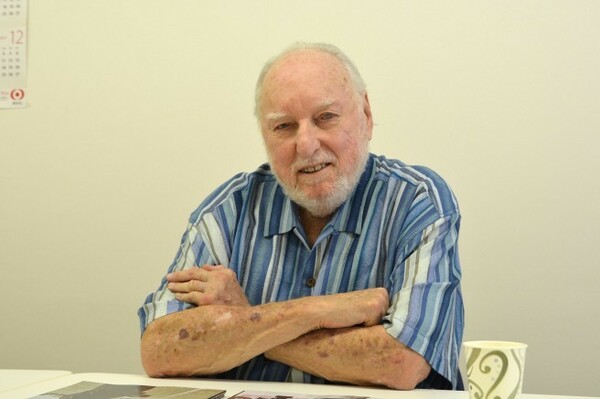
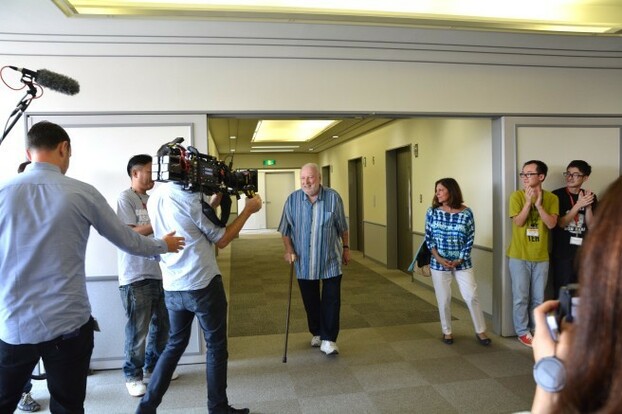
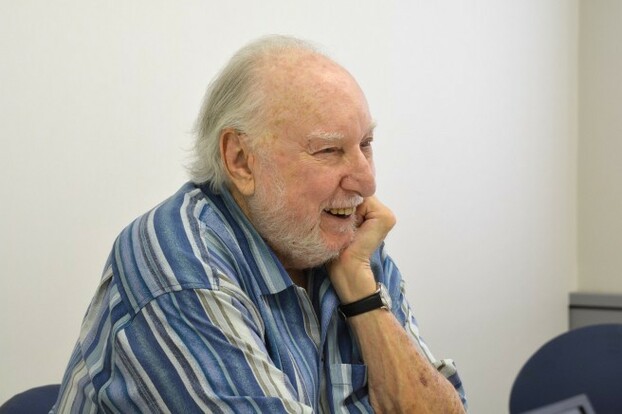
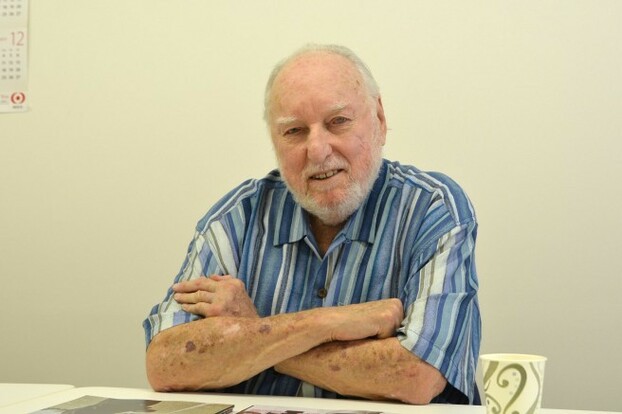
〈タワーレコードを創った男〉にして、20世紀後半からの世界の音楽カルチャーに多大なる影響を与えたリヴィング・レジェンド、ラッセル・ソロモン。そんな彼が、〈USタワーレコードの栄枯盛衰物語〉をドキュメントする映画「All Things Must Pass: The Rise And Fall Of Tower Records」の撮影のため、この夏映画クルーと共にカリフォルニアから来日した。Mikikiでは、齢89歳にして活力漲る伝説の男に、タワーレコードの歴史について話を訊いた。
――そもそもラスさんは、何故レコード・ショップをやろうと思ったのですか?
(当時は)若くてね、その程度しか思いつかなかったんだ。まだ16歳の頃、父親がドラッグストアを経営していて、そこにはいろんな商品を置いていた……化粧品、お菓子、酒類、おもちゃ、ありとあらゆるものをね。そしてお店の中にはジュース・バーがあって、そこに小さなジュークボックスを置いていたんだ、12連奏のワーリッツァーをね。
ある日父親がこう言ったんだ、(入れ替え時に)ジュークボックスで要らなくなるレコード、つまり中古レコードを売ってはどうか、と。そこでレコード1枚を3セントで買い取り、1ダイム(10セント)で売ったら、これがよく売れてね。そのまま数週間中古レコードを売り続けた後、次に父親が、新品を売ってみないか、と言ったんだ。そんな感じで始まったんだ、そんな風に、簡単に。
新品を入手し、それを売る……すると確かに売れる。そこでさらに店内に、しかもすごく小さな店内に、この(取材を行っていた部屋の)テーブルの大きさほどのスペースにレコード売場を作ろうということになった。そうして私は、レコードを仕入れ、カウンターの向こう側に立って販売を始めたんだ。
――最初に取り扱ったレコードは、主にどういったジャンルやアーティストのものだったんですか?
主に当時の流行の音楽だね。ビッグバンドもの……グレン・ミラー、トミー・ドーシー、フレディ・マーティンも人気だったね。あと(トミーの兄弟の)ジミー・ドーシーなんかもよく売れた。そう、当時人気だった音楽だ。言っておくが、これはまだ1941年頃の話で、レコードも78回転の10インチもの。売値は安いもので35セント、高いものは50セントにしていた。各面に1曲ずつのレコードだ。
――そこの時点で〈タワーレコード〉と名乗っていたのですか?
いやいや。ドラッグストアがあったのが〈タワーシアター〉という映画館で、父親の店の名前は〈タワードラッグストア〉。なので、後に規模を拡大して売場を広げた頃には、それまでの流れを汲んで、ごく自然に〈タワーレコードマート〉と名付けた。その後、1960年、今のタワーの黄色と赤のロゴなんかが決まってすべてが始まったころ、名前を〈タワーレコード〉に決めたんだ。
――では、その1960年以降のタワーレコードは、60年代後半~70年代とどんどん全米中に進出していくと思うのですが、そこでは変わらずそのときのポピュラー・ミュージックのみを扱っていたのでしょうか? それともだんだん独自の品揃えにしたり、扱うジャンルに変化は表れてきたのでしょうか?
私は当初から、1960年の最初からすべてのジャンルを扱うべきだと強く考えてきた。ジャズ、クラシック、カントリーからポップス、ノベルティーもの、コメディー、ヴォーカルものや劇場ものなど。それが、みんなが欲しいものだと信じてきた、つまり幅広い品揃えを、だ。当時はまだ規模は小さかったが、やはりそれが客の欲しがるものだった。
そのうち大きなお店を持つようになって、とはいってもそういう大型店舗も1968年にサンフランシスコに出店するまではなかったわけだが、規模が大きくなるとようやくすべての音楽を網羅することができるようになった。そうするとクラシック・セクションができて、オペラ、ジャズやカントリーのセクションも展開することができるようになっていった。それこそがタワー最初からの、というか〈私の〉と言ってもいい、哲学だね。そしてそれができるようになったのは、十分なスペースを確保できたとき。あと、在庫を揃えるための資金の確保、これも大事だったね。
昔から思っていたのだけど、いつも夢見ていたのは〈世界中のすべてのレコードを置いているレコード店〉。しかしそれを実現することはなかった……日本に出店するまではね。日本では、ほとんどそれに近い状態ができている。もちろんすべてを揃えるなんて無理だけど、ここ(日本)はほかのどこよりもそれに近いことをしている、しかも実に上手くね、特に渋谷店では」
――似たような質問になりますが、70年代から本格的にタワーがUS全体に進出して、成長していったなかで、他のレコードショップと絶対的に違ったところ、あるいは音楽ファンに支持された理由はなんだと思いますか?
〈品揃え〉だね。価格も良かった……多くの商品に〈スペシャルプライス〉をつけていた。それに新しい良質なものを網羅していたこともあるけど、最終的にはやっぱり品揃え。品揃えをよくしておくことで、いろんな(ジャンルの音楽)ファンに応えられる……ジャズ・ファン、R&Bなどなどね。それこそが人を惹きつけていた。
あと、ほかに支持された興味深い要素として、年中無休でしかも朝の9時から夜中まで営業していたことが挙げられる。休みの日でも、夜でも、若者たちには行きやすい場所だったし、行くこと自体が楽しいものだった。それは今日の日本でも実現されているね。ほかの国ではもう見られないけど。

――80年代に入って、タワーは日本に出店することになります。日本への出店の経緯や、進出するときに考えていたことは何でしょう?
経緯ね……本当に全部聞きたい?(笑) ある日、2人の日本人がサクラメントの私のオフィスにやって来て、日本でタワーレコードを出したい、と言い出した。そこで、資金があるのかと問えば、もちろんある、と言う。なので、では検討しよう、ということになった。検討して数か月が経ったところで航空券が送られてきて、日本を案内してもらうことになった。そして、私に全国各地にある小型のレコードチェーンを見せてくれた。
その後、さらに1年ぐらい話を進め、まずは〈卸売業〉から始めようということになった。つまり日本側はインポーターになって、当時のレコード小売店たちに売る、というものだ。それらのチェーンの名前は忘れたけど、大阪に1店舗、東京に2、3店、あとは京都を含めて各地に点在していた。それらのお店に〈タワーレコード・インポートラック〉と銘打った小さなラックを置いてもらい、私たちが輸入した商品を仕入れてもらう。赤坂のとあるビルの7階に倉庫を構え、実際に営業を開始した。
ところが1年ぐらいすると、サーヴィスがあまりよくなかったのかもしれないが、気づけば(それらの取引先が)よそから輸入盤を仕入れていることがわかった。われわれは卸売業があまり得意ではなかったようだ。そして最終的に決めたんだ、自分たちがもっとも得意とする分野でいこう、と。いまいち上手くいかない卸売なんてもういっさい忘れて、小売店を作って、まずはやってみようと。
そこで、渋谷に場所を見つけて、そこに出店した。広さは4,000平方フィート、約150-160坪(※編註:実際には112坪)ほどの大きさだが、開店と同時に爆発的な売れゆきだった。1981年当時はまだすべてがLPで、まさに驚異的な現象(のように売れた)。カリフォルニアからは毎日のように日本に向けてLPや商材を送り出して、実に素晴らしかった。そして、これはいいね、ほかにも出してみよう、ということになった。
そこからは、サクラメントの本社で起きることは日本でも起きていたね。日本での事業展開に関しても、USやその他の国でのやり方を実践してくれた。つまり1店舗出店し、上手くいったなら次の場所を探してそこに出店する。特に計画があったというわけではなく、出店したい街に、相応しくてよさそうなロケーションを見つける。そこで初めて実践する、というやり方。例えば、仙台に出店したいということであれば、そこに適切な場所を探す、それは新潟でも京都でもどこでも同じ方法だった。

“The man who founded Tower Records” Russ Solomon talks about the history of the company: Part 1
Visiting Japan for the shooting of the documentary film that portrays the rise and fall of Tower Records in US, Russ Solomon looks back on the birth and growth of the chain
Interviewed and written by Daisaku Jobim
The man who founded Tower Records and exerted a considerable impact on the global music culture from the late 20th century, – Russ Solomon, the living legend. Solomon visited Japan this summer with the film crew for the shooting of the documentary film “All Things Must Pass: The Rise And Fall Of Tower Records”, – a film about the vicissitudes of the chain in the US. Mikiki had a chance to speak with the legend, a man of vitality at the age of 89, about the history of the famous retail chain.
Q: Why did you think of starting a record shop at the first place?
I was too young to know any better. I was only 16, and my father had a drug store and we had in the drug store, many different kinds of things, cosmetics, candy, liquor, toys, everything imaginable. And we had a soda fountain in the drug store. And on the soda fountain, there was a little jukebox. It was about this big, and it was a 12th play Wurlitzer jukebox.
And so my Dad said, why don’t we sell the records that come off the jukebox, you know, the used records. So we paid 3 cents for a record, and sold them for a dime, and they sold very well. So after a few weeks of selling a few used records in the store my Dad said let’s try to sell some new records and see what happens. So that’s how it all happened. That simple.
We went and got some new records, and sure enough we sold them. So he decided that we would open a record department in the store which was a little smaller than this table. The drug store’s very small. And we got the records and I was the one who stood behind the counter and sold the records.
Q: What kind of genres or artists were the records you used to sell at the beginning?
It was mostly popular music of the day. Big band, Glenn Miller, Tommy Dorsey, Freddy Martin was a big hit, Jimmy his brother were hits. It was popular hits of the day. Now, remember, we’ re talking about 1941and the records were 78rpm 10inch records, they sold for 35 cents for inexpensive ones and 50cents for the expensive ones. So one song on each side of the record.
Q: Were you calling yourselves Tower Records at that point?
No no no. The drug store was in a building called Tower Theatre, it was a movie theatre and the drug store, my father’s drug store was called Tower Drug Store, so it was natural as we went along, and it was afterwards when it became larger, when we had a bigger space, we named it Tower Record Mart, then after that by 1960, where this logo you have the Tower red and yellow logo and everything and all, starts in 1960, we named it Tower Records.
Q: From the 60s to the 70s, Tower Records expands its business across the nation. Was the repertoire still focused on popular music of the time, or did selection or genres change over time?
Well, I believe from very early on, -and don’t forget many years passed on, say talk from 1960 when it started, and believe from the beginning that we should have everything. Jazz, classical country pop everything, novelty, comedy, vocals, music shows. And I always believed that that was what people wanted, - they wanted that vast selection. It was much smaller in those days that was available but that’s what people wanted.
As we were able to get large stores, and don’t forget the really large stores wasn’t until 1968, in SF, and at that time we had enough space to able to get all kinds of different music in. So we had a classical department, an opera department, a jazz department, a country and so on. That was our, well, my philosophy from the very beginning, but we could do it only when and enough space and maybe enough money to afford the inventory that was important too.
I always believed that I want a record store that one day, thinking before, carried every record in the world. And I was never able to achieve that until we came to Japan. We came close to almost. Nobody can get everything, but we could do it here closer than any place well. And they’ve done it very well I must stay, - Shibuya.
Q: Another question in the same line, during the 70s when the chain was in full swing of developing the chain, what do you think was the absolute difference with other records chains that drew so much support from music fans?
I think selection. Our prices were very good also. We had special prices on a lot of stuff. But I think selection was always the driver and always being on top of the new, good stuff. But it always goes back to the selection because you could serve all kinds of different publics, you could serve the jazz public, R&B public and on and on. That was always the draw.
Plus there’s another interesting draw too, and that was we were open seven days of the week, every day of the year, and from 9 in the morning to go to midnight. So that idea of being open on holidays, at night, and it was convenient for kids and it was a fun place to go still is here, nowhere else though than Japan.
Q: Entering the 80s, you decide to open a store in Japan. What’s the background to this, and what were your anticipations about the whole idea?
Well what actually happened. You want the whole story? Two Japanese guys came to my office in Sacramento and said they wanted to open a TR in Japan. And I said, well first of all, I said do you have enough money to do it, and they said of course. So I said I don’t know let’s look into it. So a few months later after looking into it, they invited us over to Japan sent us a ticket and took us around the country and showed us around, and we saw all the record stores that were in existence then, the little record chains, all the stores.
And we said you know, after about a year of talking about this, well let’s open a little wholesale operation, an importer here, and we will sell the records chains in existence, I forget the names of them now, there was one in Osaka, 2-3 in Tokyo and other parts of the country, Kyoto of course, and we said we would have a little rack in each of those stores and we would call it Tower Records Import rack. And that record store or chain will buy the records from us that we would import, and we did that. We opened a little warehouse in Akasaka on the 7th floor of a building, and we started to do that.
But after about a year, our service wasn’t very good I don’t think, and some of our customers were buying from somewhere else. And we were just weren’t very good at being a wholesale house. So we finally decided, let’s do what we know best. Let’s open a retail store, forget the wholesale biz completely cause we’re not going to be successful with that, and open a retail store and see what happens.
So we found a location in Shibuya, and opened that up, it was only about 4000 feet, about 150-160-tsubo . So we opened that up and it was a huge success. From the day it opened it exploded it was all LPs this was about 1981, and it was just phenomenal, we were sending in the merchandise and LPs from California to Japan everyday it was terrific, and said this is a good thing, let’s try another.
From that point on, anything we did in Sacramento main office, everything was happening here. That was the way the whole thing happened. You opened one, it worked okay, you’d find another place, open another one, so it wasn’t a plan in particular, it was an opportunity of an interesting and good location in the right city and we would actually do it, and that’s how the whole thing happened, and it think the same thing happened here, it was the case of opportunity, or we’ll say we want to go to Sendai, so find aplace in Sendai, or go to Niigata and find a place in Nigata or Kyoto or anywhere else.