タワーレコード誕生の地・サクラメントで生まれ育ち、タワーレコードに通い詰めていたハリウッド俳優のコリン・ハンクス(名優トム・ハンクスの息子でもある)。そんな彼が、自身で監督するドキュメンタリー映画「All Things Must Pass: The Rise And Fall Of Tower Records」の撮影のため、この夏タワーレコードの創始者であるラッセル・ソロモンと共にカリフォルニアから来日した。Mikikiでは、そんなタワーレコードの大ファンであり、大の音楽好きである彼に話を訊いた。
――今回、ラッセル・ソロモンさんと共に来日したのは映画の撮影のためですが、どういった映画を撮影し、どういった場面を撮りたいということで来られたのでしょうか?
もともとのアイデアは、USでタワーレコードの店舗が閉店していった頃に浮かんだもので、ただ単純にタワーが生まれてから成長していく様を描こうと思っていたんだ。生まれ育ったサクラメントで、あるとき家族ぐるみの長い友人と話していたときに、「タワーレコードがなくなるなんて寂しいね」という話をしていたんだけど、そのときに彼女がふと「ラスという人が、お父さんの経営するドラッグストアで45回転のレコードを販売したのが始まりだった」って口にして。自分はそれを知らなかった。タワーレコードがサクラメントから始まった、ということしか知らなくて。僕のゴッドマザー(代母)が市内の店舗に勤めていたことがあったので、サクラメントの会社だということは知っていたけど、その程度だった。
でも、それを聞いてすぐに思った、「この僕でさえ知らないんなら、ほかにも知らない人はたくさんいるだろう。ドキュメンタリーにうってつけのいい話だ」と。なので、映画を作りたくなった主な理由は、この会社がどうやって小さく生まれ、大きく育ったか、という面白い話を描きたかったから、ということだね。
USでの店舗閉鎖の9か月ほど前だったか、ちょうど僕は東京に来ていたんだ。そして観光客にありがちなんだけど、いろいろと写真を撮りたくて渋谷の交差点に向かっていた。そのときにたまたま渋谷店に気づいた。その規模も印象的だったし、「日本にまでタワーレコードってあるんだ」と感銘を受けた。その時点ではタワーレコードの歴史をよくわかっていなかったんだ。
そしていよいよ映画の撮影が始まって、タワーレコードが日本にある、しかも1店舗ではなくて多数展開している、現在は完全に日本企業になっていて、アメリカでは閉店した後もまだまだ健在だ、ということを聞くようになって、すぐにこう思ったんだ――ラスを日本に連れてくることがこの映画にとってすごく強力な要素になる、と。ただ、資金と労力がかなり必要でね。いまでもかなり限られた予算内でやってるんだ。
だからいつも話していたんだ。一番の理想はラスを日本に連れてきて、渋谷店に行くところを撮影することだって。本当に自分が映画で見せたい、と頭の中で思い描けていたのはその場面ぐらいだった。そのほかのことは、たまたまラスに通じる偶発的な出来事の連続でね。インタヴューなんかにしてもわかりやすいものだし。あとは、多くの写真や古い動画なんかも使うことになるとわかっていた。いまもトレジャー・ハンターのように、可能なかぎりの素材や動画を探しているよ。いずれにしても、ラスを日本に連れてくることができれば、その場面というのはすごく重要なものになる、と考えていた。そして、いまこうやって実際に日本にいる。本当にハッピーなことだね。

――ご自身にとってサクラメントのタワーレコード(編註:ラッセル・ソロモンがタワーレコードを始めた第1号店で、タワーレコードの誕生地)というのは、どういう存在で、どんな楽しい思い出がある場所ですか?
ここで働いている皆さん(編註:インタヴューはタワーレコード本社にて実施)や、話してきたみんなと同じように、僕の人生にとってもかなりの大きな部分を占める存在。音楽は僕の若いころや成長過程で大きな役割を果たしていたしね。だから、タワーレコードではたくさんのレコード、CDやテープ、まあどんなフォーマットでもいいけど、なにせたくさん買ったよ。ライヴのチケットとかもね。そのときからタワーレコードがサクラメントの会社だということは知っていたけど、当時の自分にとってそれはそんなに重要なことではなかった。でもいま考えると、たしかにクールなことだね。もうサクラメントの市民の誇りのような存在。タワーレコードにはいい思い出がたくさんあるよ。
CDを買うようになって、いつもタワーレコードで買っていたんだけど、商品がよくロングボックスで売られていて、僕はそのボックスを引きちぎって捨てるのではなく、丁寧に前面を切り取って後ろにテープを貼って、壁に貼り付けていたんだ。壁一面に僕の壮大なコレクションが再現されていてね。あれはいい思い出だ。
――USでは、いまではCDはウォルマートでも買えると思うけど、タワーレコードがほかのショップと違って良い点や特長、魅力はどういったところだったのでしょうか?
まあ、まずウォルマートは必要じゃないものまでたくさん売ってるからね。少なくとも自分が子供の時は冷蔵庫やレンジなんかを買う必要はなかったし。若い時分にレコードが欲しいときは、レコード店に行くもんだよ。ほかには興味がなかったからね。それに、当時サクラメントにウォルマートが街になかったということもあったね。
でも自分にとっては、またこれは映画の中でも追究したい部分でもあるんだけど、タワーレコードはたむろする場所だったんだ。なんていうか、〈現代版サロン〉のようなもので、そこには人がやってきていろいろな話をして、コンサートなんかも開催されていて、同じ趣味を持った者同士が集まるような場所だったね。
あるいは、行きたいときに行けるような場所、3時間でも4時間でも、あるいは一日中いてもいい場所。僕にとっては恰好のたむろする場所だったし、音楽について学ぶところでもあった、いろんな種類のね。例えば何か買おうとしているとすると、「それが好きだったら、このあたりもオススメだよ」という具合に。若い頃の自分には、あれはとても印象的だったよ。
あとはカタログ、豊富な品揃えだ。ウォルマートなんかはいい品揃えではなかった。いい音楽教育を受けたいのなら、タワーレコードに行く。これぞタワーレコードを特別なものにし、タワーをタワー足らしめる要素だったんだよ。
特に若いときは飲み屋で待ち合わせ、なんてできなかったからね。だから例えば夜パーティーなんかがあるとすると、「じゃあどこ集合?」「タワーでまず会おう」ってことになって、そこで集まってから次に移動することになる。だから、例のサロン的社交場でもあるし、次のところに行くための集合場所でもあった。一時的な訪問かもしれないけど、それでも目的地にも集合場所にもなっていたんだ。

――ちょっと質問の流れを変えますが、アメリカではiTunesがあったりストリーミングがあったりと、音楽の聴き方が変わってきていると思います。いち音楽ファンとしては、そういった環境の変化についてどう思っていますか? CDやレコードのほうがいいのか、あるいは何でもありだなと思っているのか?
何でもあり、だね。皮肉なことに、この映画の製作に入ってからよりストリーミング志向になっているところがある。でもね、これはラスにもよく話していることなんだが、それでも僕には音楽ファンとしてのニッチのニッチのニッチなところがあってね……つまりレコード盤を集めるのが好きなんだよ。よくやるのは、たとえば映画の撮影に入っているときは、ポータブルなターンテーブルを持っていく。でもレコードは一切持っていかない。そして撮影地の街にあるレコードショップに繰り出してレコードを買って、それに買った街の名前を書いて僕のコレクションに加えるんだ。
CDは昔ほど買わなくなった。僕の音楽の聴き方としては、ストリーミングはたしかにする。家じゅうで鳴らしたいときなんかに再生しやすいからね。でも一方では、まだレコードも買う。特に最近のレコードだとダウンロード・コードもついてくるから便利だね。ストリーミングは、いわばパーソナルな試聴機として使いつつ、店舗やアーティストをサポートしたい気持ちもあるから、パッケージも購入しているんだ。
――日本だけが世界の中で特殊な環境で、デジタルではなくてCDで音楽を聴くのが中心となっていて、タワーレコードの店舗もこれだけあって、お客さんもたくさん来ている。そんな現在の日本の音楽カルチャーをアメリカ人としてどう思いますか?
好きだね。アメリカ人としては、少し当惑するところもある。日本っていうのは、テクノロジー面においては常にアメリカの先を行っている、と思っているからね。なので、(現在の状況を理解、納得するために)調査書を読んだほどだ。渋谷店だけでなく、タワーレコードが80何店舗もあるなんて、いったいどういうことだ?って。
今回、ラスを連れていくつかの店舗巡りをして、川崎店や東京駅のTOWERminiも見せてもらったけど、ああいう店舗に行けることがね……USには大きなレコードショップが1店舗ある街が若干残っているが、ああいう中小規模のショップはもう存在しない。日本の環境は実に良いと思う。特にコレクター意識についてもよく理解できるし。みんながまだレコードを買っているという事実は素晴らしいね、USにはもうなくて寂しいもんだ。僕はいまでもいつでも音楽ショップを出入りしているから、僕にはごく自然なことに思えるね、なんら不思議ではない。かなり魅力的なことだね。

――映画のほうは、完成が100%だとして、いま何%ぐらい出来上がっているのですか?
90%ぐらいのところまで来ているかな。まだいくつかインタヴューの撮影が控えている。ストーリーはもう構成されていて編集も始まっているので、インタヴューさえ収録できたらかなり100%に近づくと思うね。
――実際に撮影に入る前の構想段階での一番最初のコンセプト、あるいは一番この映画を観る人に伝えたいと思っていたことがあったと思うが、実際作っていく段階で、それがまた新たに変わってきたところはありますか?
そうだね、確実に〈進化〉はしている。タワーレコードの歴史を知ったり、人に会ったりして、より多くを知るうちに〈大きく〉なっていった。最初に始めたころは、より単純なもので〈会社の歴史を語る〉、みたいなものだった。だからタイトルも〈The Rise And Fall Of Tower(タワーの興亡)〉としてきた。でも、よくよく人と話していくうちに、映画の感情の核となる部分に触れるようになった。その要素を発見して、それが自然に大きくなり、進化が起きていった。
僕としては、常にこの映画を〈すべては過ぎ去るもの〉と呼びたかった。タイトルにぴったりだ。もちろん日本で公開するときはタイトルを変えたほうがいいだろうけど(笑)。サクラメントのワットアベニュー店が、閉店の時に〈All Things Must Pass. Thanks Sacramento(すべては過ぎ去るもの。サクラメントのみなさん、これまでありがとう)〉というサインを掲げていたのを見て、すぐにそれこそが映画のテーマだと直感した。永遠に残るものなんてなくて、どんなものにもいつかは終わりが来る、と。楽しいパーティのようなものだよ。「家に帰らなくてもいいけど、とにかくここにはいられないよ」みたいな。
あと、何事にも巡ってくるサイクルのようなものがある、という法則も捉えたかった。クルクルクルと回り続けるレコードのようにね。だから映画の内容は〈進化〉したと言う方が正しい、〈変化〉というよりも。より深くなっていったんだ。

――最後の質問です。あなたのオール・タイム・フェイヴァリットを教えて下さい……ラスさんにとっては非常に難しい質問だったようですが。
ラスが答えられない理由がわかるね。一番好きなものは答えることができないよ。あまりにたくさんあるから。でも、いくつか選んでみよう。セレクトしてみるよ。
最初に僕が一番ハマッたアルバムは、レッド・ホット・チリ・ペッパーズの『Blood Sugar Sex Magik』だね。自分にとってはかなり重要なアルバムだ。それまでにもアルバムは持っていたけど、この作品のおかげで本気の音楽ファンになった。初めて行ったライヴは、トム・ペティ&ザ・ハートブレイカーズ。サクラメントで1990年3月5日に開催された〈フル・ムーン・フィーヴァー〉ツアーの公演。オープニング・アクトはレニー・クラヴィッツだった。そのあと母親が持っていたトム・ペティのテープを全部くれたのを覚えている。そういう意味でとても特別なアーティストだ、彼は。
本当にいろんな音楽が好きだけど、ニュー・カントリーだけはどうも好きになれない。でもウィリー・ネルソンは好きだし、もちろんジョニー・キャッシュも。僕は90年代のグランジが盛り上がっているときに若い時分を過ごしたので、ニルヴァーナの存在は大きかったね。あとパール・ジャムやサウンドガーデンなんかも。
そして歳を重ねるうちにほかのジャンルにも興味を持つようになった。ブルースも好きになった。ブルースにもいろんな種類、いろんなアーティストがいるね。なぜか〈ブラインド~〉って名前がやたらと多い(笑)。RLバーンサイドは素晴らしいアーティストだ、もちろんハウリン・ウルフも。ヒップホップにもかなりハマッた。パブリック・エネミーやトライブ・コールド・クエストなんかに。そうだね、いま思うとそのときのムードに合うものを探すようになった、ってことかもしれない。まだ若かったときは好きなものをガムシャラに聴いて、好きなようにかけていた。いまはもっと、自分の置かれた環境にふさわしい音楽を聴くことのほうに重きを置くようになったね。
あとジャズにも当然ハマッた。セロニアス・モンクとか。実は今回の来日中にやっておきたいのが、〈Thelonius Monk Live In Japan ’63〉のレコードを入手るすること。帰国の前に必ずゲットしないと。ジョン・コルトレーンもお気に入りだし ジャンゴ・ラインハルトなんかは尊敬するアーティストだ。ジョー・ストラマーも自分にとっては大きな存在だ。だから、本当にたくさんあって選ぶのは難しい。まるで「ソフィーの選択」っていう映画のよう……選ぶことが難しすぎる。こういうのをね、〈ソフィーの選択質問〉って僕は呼んでいる。これで何かしらイメージできるようになったかな。あとビースティ・ボーイズもハマッた、ランDMCもね。
あとひとつ追加させてもらうなら、ブルース・スプリングスティーン。まったく驚異の域。ボブ・ディランにもハマッたけど、スプリングスティーンは特に大事なアーティスト。コンサートに行って涙を流したのは、彼だけなんだ。あとは〈ビートルズ vs. ストーンズ〉の議論ね。あの答えられない質問。個人的にはビートルズを選ぶけど、でもストーンズも大好きだし。どっちも好き、でダメなの?っていつも思うよ。
ほかには……言い忘れたアーティストがいないように考えないと。というわけで、いまのがこれまでの話。でも、いま一番好きなのはクイーンズ・オブ・ザ・ストーン・エイジ。もう本当に大好きだ、素晴らしすぎる。ジョシュ・オムとも親しくなって、いまではいい友人なんだ。とにかくいいバンド、最高だ。すべてをやってのける、僕の好きなハード・メタルであるうえに、美しいハーモニーを奏でる。彼の声は実にいい。そして、どのアルバムも違って聞こえるし、その音も素晴らしい。聴いていて絶対に飽きない音楽なんだ。
あとひとつ言っておきたかったのは、いまは幼い娘たちがいて、子供たちを通して新たに音楽を経験するようになったということ。必ずしも僕が好む音楽ではなくても、それでも音楽が大好きになっていくところを見ると……それを考えるだけで涙が出そうになる。彼女たちがビートルズを口ずさむのを聴けるのもすごいことだけど、彼女たちが自ら好きな音楽を歌うようになるなんて最高だよ。

――もうひとつだけ質問させてください。コリンさんの人生にとって、〈音楽〉とはどんな存在のものでしょう?
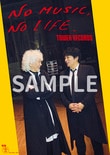
なんだか感情的になってきちゃったよ……。〈すべて〉だね。専門的に言えば五感のひとつ、聴覚ってことになるだろうけど、僕にとってはまったく異なるもの。そうだね、僕だけのタイムマシンのようなもの、そういう言い方もできる。そうだ、まさに〈すべて〉だ。あの〈No Music, No Life.〉(って文言)、まさにそうなんだ。上手く言葉にしたもんだよ。音楽のない人生なんて、考えられないね。


Director of the Tower Records documentary film, Colin Hanks talks about Tower and his love of music
Born and raised in Sacramento, the birth place of Tower Records, Hanks was a frequent visitor to the record chain. Let’s hear what brought him to make the documentary film
Interviewed and written by Daisaku Jobim
Born and raised in Sacramento, the birth place of Tower Records, Hollywood actor Colin Hanks (also known as the son of actor Tom Hanks) was a frequent visitor to the chain from his youth. Hanks, together with Russ Solomon, the founder of the company, visited Japan this summer all the way from California for the filming of the documentary film “All Things Must Pass: The Rise And Fall Of Tower Records” which he serves as the director for. Mikiki had the privilege of meeting and speaking with Hanks, a great fan of Tower Records and a passionate music lover.
*Click here for Part 1 of the interview with Russ Solomon
*Click here for Part 2 of the interview with Russ Solomon
Q: We understand you are here in Japan with Russ Solomon to shoot a film. What is the film about and what kind of scenes / images are you thinking of shooting here?
Well, for me the original idea was to really just do a documentary of the company and how it grew, back in the US when the stores closed. I was having a conversation with an old family friend in Sacramento where I was born and raised, and we were talking about how sad it was that the stores were closing, and she had mentioned that she just couldn’t believe about how it hit started with Russ selling 45 records out of his father’s drug store. And I had not heard this part of the history; I didn’t know that, I just knew that Tower Records was from Sacramento. I had a godmother who worked in a store in Sacramento, so I sort of knew that it was from Sacramento, that was it.
And as soon as she said that, it just struck me, "Wow, if I don’t know that I’m sure a lot of other people don’t. It would make for a very good documentary". So the main reason was the fascinating story from the beginning to the end. How it started so small and got so big.
About, probably about 9months before the stores closed, I’d come here to Tokyo and I was walking to the Shibuya crossing to take a bunch of photos like a good tourist, and I walked by the store, and I remembered the size of it, and I thought "they have Tower Records here even all the way here in Japan." At that time I didn’t know the history well.
And once we started making the movie, and talking about, and finding out that they have a Tower Records, not only one but many Tower Records here in Japan, but that it was now a Japanese owned company and that they were still around after the American stores had closed, I knew right away that it would make a powerful portion of the film to bring Russ to Japan. It was all a question of how. We needed the money to do it and the undertaking, and we are still at a very small budgeted film.
So we had always said, in a perfect world, we would bring Russ here and film him going to the Shibuya store. That was probably the only sequence that I had in my brain that I wanted to try and get. Everything else has been a happy accident that access to Russ, and the interviews, those are all pretty straight forward stuff, you know we knew there’d be a lot of photographs and old videos and all those stuff. And we’ve sort of become treasure hunters trying to find as much media and film as we could get. But I always knew, getting Russ here to Japan, if we could do it, it would be very important. And now that we’re here, I just can’t believe it, it makes me very happy.
Q: For you, what kind of place was Tower Records for you in Sacramento, and what memories do you have with the store(s)?
It was a big part of my life, like everyone who works here and everyone we’ve spoken to. Music was a big part of my youth and growing up. And so I remember buying a lot of records, CDs or tapes, – whatever you want to call them – at a Tower Records, I bought concert tickets at Tower Records. And I knew that it was a Sacramento company, that wasn’t necessarily important to me at the time, but now looking back on it, I think it’s pretty cool. Tower was always a source of civic pride for us in Sacramento. I have a lot of good memories going into TR stores.
When I started buying CDs, I remember I would by them at TR, and they had the long boxes, and instead of ripping them open and throwing them away, I would cut off the front of the long box and put tape on the back and put them on the walls, so I had a big collection of all of them that mural of all the different albums, – that sets a good memory I have.
Q: In US, you can buy CDs even in Walmarts, but what do you think was the difference that Tower Records had compared to other outlets? What was the draw?
Well, Walmart sold a bunch of other stuff I didn’t need, I didn’t need to buy a refrigerator, I didn’t need to buy a microwave, at least when I was a kid. So when I was growing up and you wanted to buy a records, you went to a record shop. I wasn’t really interested in anything else. It also helped that I didn’t have a Walmart in Sacramento when I was growing up.
But for me, you know, and this is one of the things we try to explore in the film, is that it was really a place to hang out. It was sort of like a ’modern day salon’ where people would come and meet and talk about different things going on, and concerts, – it was a meeting place for like-minded people.
Or it was a place that, if you had no other place to go, you could stay in TR for hours, 3 hours, 4 hours, an entire day if you wanted to. So for me, it was always a good place to hang out, as well as a place to learn about music, different kinds, like if you’re buying one album they might say, ’if you like that one, you might like these other things’. That was very impressionable for me as a kid.
And the catalog, the deep catalog. Walmart, their chains didn’t have a good selection. If you wanted a good music education, you walk in to TR, that’s what made Tower special. That’s what made Tower ’Tower’, really.
Specifically when I was younger, I can’t meet my friends in a bar. So if you wanna go out, some night, for a party, ’Where’re we gonna meet up?’, ’Oh let’s meet up at TR’, and then we could go wherever we wanted to go. So it was both that salon and also a place to meet to then maybe go someplace else. So even if it was temporary, it was still a destination, a meeting place.
Q: Bringing a change to the questions here, we understand that in America, you have iTunes and streaming services, and the way people listen to music seems to be changing. As a music fan yourself, what do you think about this change to the listening environment? Do you think CDs are better, vinyls are better, or does anything go?
Anything goes. Ironically, I’ve gotten more into streaming since we started making this film. But, and I tell this to Russ quite a bit, I’m a bit like a niche of a niche of a niche music fan, – I like to collect vinyl. So, what I do is, if I’m on location shooting a movie, I’ll bring a portable turn table. But I won’t bring any records. And it’ll make me go to the record stores of the towns that I’m in, and I’ll label the town I bought the record in and have it in my collection.
I don’t buy as many CDs now any more. My science now is, – I stream music, yes, because it’s easier to play throughout the house and things like that. But I still buy vinyl records well. And if it’s a new record, it often has a download code as well which will be good. So I use streaming as my own listening booth, but I still go out and buy something, cause I still like to support the stores, and obviously support the artists as well.
Q: Japan is still in a unique position in the world where CDs are still the major source of listening to music, and not digital. And we still have this many stores with a stream of customers coming in. As an American person, what do you think about this Japanese music culture?
I really like it. As Americans it is a bit confusing because Japanese culture has a connotation of always being ahead of us in technology. We had to actually find out a paper. How is it that they have not only Shibuya store, but eighty plus stores, -how does that work?
After we came here, we took Russ on a tour to the stores, we took him to Kawasaki, and TOWERmini at Tokyo station, and even walking into those stores, – those types of stores don’t exist anymore, specifically, maybe you get one big store some place in the Unites States, but those small stores, they don’t exist anymore. I like it. I think it’s good, obviously I understand the collector culture. In the US it is a little bit more of a niche thing to be a records collector. But I like the fact that everbody still buys records here. I miss it. I still go into music stores all the time, so for me, it feels right, – it feels normal for me. It doesn’t seem too strange. But I do find it fascinating.
Q: How close are you to the completion of the film? If complete was 100%, what percentage are you at now?
Probably around 90%, in terms of footage. We’ll be grabbing more interviews at the end of the month. We have a structure of the story, we’ve started editing it together, we’ll grab these interviews at the end of the month and then hopefully we’d be at 100% soon. I hope.
Q: I suppose you had an initial concept or a message you wanted to convey to the audience at the planning stage, even before entering into the shooting. Have there been any changes to this concept as you entered into the actual filming, or anything new come up?
Yes, it’s evolved for sure. The more we learned the history of the company and got to know some of the people, it’s definitely grown. When we started out really, it was just more about, the original idea was just the history of the company. So we had always called it "The Rise and Fall of Tower". But as we got to know the people, as we spoke to them, we found the emotional center of the film. We discovered that, that grew and sort of evolved naturally.
I always knew I wanted to call the film "All Things Must Pass". It seems to be a fitting title. When we release it here we’ll have to come up with some other name (laughs). The clerks in Watt Avenue Store in Sacramento, they put up a sign that said "All Things Must Pass Thanks Sacramento", and as soon as I saw that, I said that’s the theme of the film, that not everything lasts forever, eventually things have to come to an end. It’s like every good party gotta end. You don’t have to go home, but you can’t stay here, that kind of thing.
And there’s something about this cyclical nature of things. And like a record, it goes round and round. So yes, it’s evolved, I wouldn’t say ’changed’, it’s just grown deeper.
Q: And now, one of the last questions. Tell us your all-time favorite. It seemed to be a tough question to answer for Russ...
Now I know why Russ could not answer.
I will not be able to tell you a favorite, because I have so many. But I’ll give you a… I’ll sprinkle it, – a selection.
The first record that I was really obsessed with is Blood Sugar Sex Magic by Red Hot Chili Peppers, that was the really important album to me. I’d had records prior to that, but that was the first one that made me a really really big music fan. The first concert I went to was Tom Petty and the Heartbreakers, on the Full Moon Fever Tour, Lenny Kravitz opened up the concert, in March 5th 1990 in Sacramento. Then my mon gave me all of her Tom Petty tapes afterwards, so I have a special place in my heart, Tom Petty.
I really do like all kinds of music, except new country. I don’t like new country music. But Willie Nelson, he’s always good, Johnny Cash of course. I really came up in the 90s grunge era, so obviously Nirvana, that was a big band for me. Pearl Jam, Soundgarden.
As I’ve gotten older, I’ve gotten interested in more genres. Like blues, a lot, there are a lot of different blues, lot of different blues artists, seemingly a lot of them start with Blind~~ (laughs). R.L. Burnside is a great blues artist, Howlin’ Wolf, obviously. Hip hop was always very big for me, – Public Enemy, A Tribe Called Quest... Yeah, now I realize it’s all about trying to find music that fit a mood. I’m much more interested in that now. Whereas when I was a kid, I would just listen, I would just put on whatever I wanted to listen to. Now I’m more interested in trying to find the music that fits the setting that I’m in.
So, I really got into Jazz. Thelonius Monk, – in fact one record I want to pick up while I’m here is ’Thelonius Monk – Live in Japan ’63’. I have to get that before I leave. Coltrane, he’s one of my favorites, Django Reinhardt, is an artist I absolutely adore. So yeah, there’s a lot for me. Joe Strummers been big for me as well. There are so many, it is hard to choose. It’s like the movie ’Sophie’s Choice’, it’s too hard you can’t make it. That’s what I call a ’Sophie’s Choice’ question But maybe that’s would give you a little idea. Beastie Boys was also a very big one for me. Beastie Boys and Run D.M.C.
The only thing I need to add here is Bruce Springsteen. Absolutely incredible. And I’ve gotten into Bob Dylan as well, but Springsteen to me is very important, he’s one of the only concerts I went to where I cried. And then, The Beatles vs The Stones. The unanswerable question. It’s a matter of taste. I prefer the Beatles, but I love the Stones. But I always say why can’t we have both?
And I’m trying to think, anybody else? Want to make sure I don’t leave anybody out. So that’s like my past, that gives you an idea. But right now, my favorite band is Queens of the Stone Ages, they’re absolutely… just one of my favorites, they’re so good. I’ve gotten to know Josh Homme very well, we’re good friends, and they’re just the best. I love them. They just do everything, they’re hard metal, which I really like but beautiful harmonies, he’s got a beautiful voice and every record sounds different and the sounds you would just. I would never get bored listening to their music.
The other thing I wanted to say was, I now have daughters. Young kids. So I get to experience music through them. So they may not be necessarily the kind of music I like, but to see them fall in love with music, – it makes me want to cry right now. So to hear them sing The Beatles, that’s great, but to hear them sing the stuff that they love, oh, I love it.
Q: And this is the last question. What is ‘music’ for you, for your life?
Um, hmmm. Now I’m starting to get emotional... (laugh)
Everything. To me, technically it’s one of the senses, it’s hearing, but it’s a different thing. It’s my time machine. That’s one way to look at it. Yeah, everything. You know, “No Music, No Life” – exactly, yes. It’s a perfect saying. I can’t imagine a life without it.