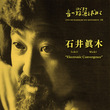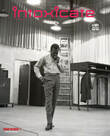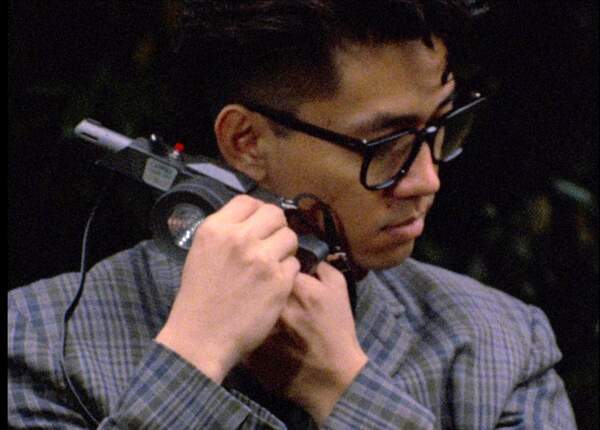
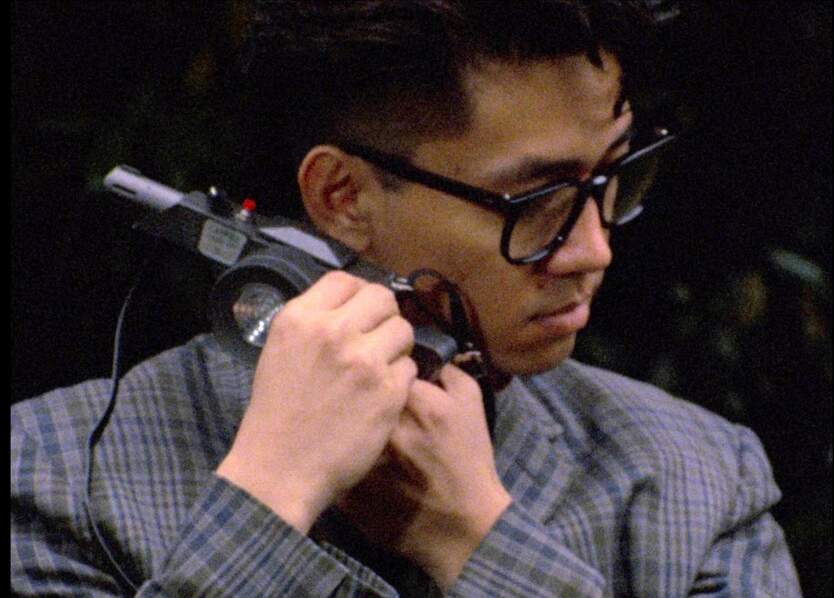
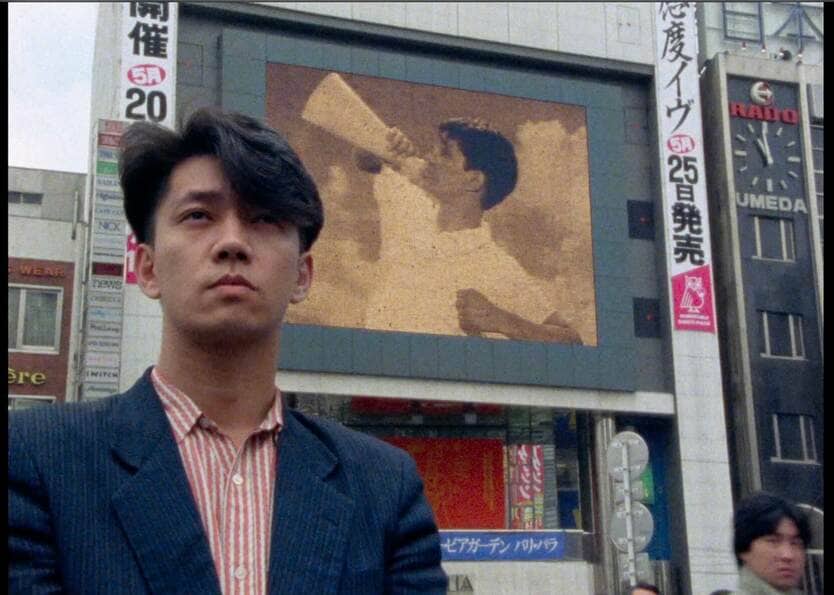
I am watching the documentary film of Tokyo and Ryuichi Sakamoto (hereafter RS) from 40 years ago, captured in the film Tokyo Melody Ryuichi Sakamoto. It features locations like Shinjuku, Harajuku, Shibuya, Aoyama, and Onkio Haus, a recording studio at Shintomicho where most of the footage was shot. The documentary repeatedly shows RS and his engineers working with instruments and equipment for his music. The film depicts Tokyo in 1984, and I was struck by how vibrant and ostentatious everything - from the city and the studio - appeared to be. There is an image capturing RS talking on a car phone while traveling by car. The shot reminded me of the shoulder phone, a mobile phone then, and I feel the car phone looks intimidating rather than just big. I used to think cities in Japan lacked color variation, but the footage portrays the landscapes of the city in unexpectedly dynamic colors. Perhaps it is because this is “Japon” as montaged through French eyes.
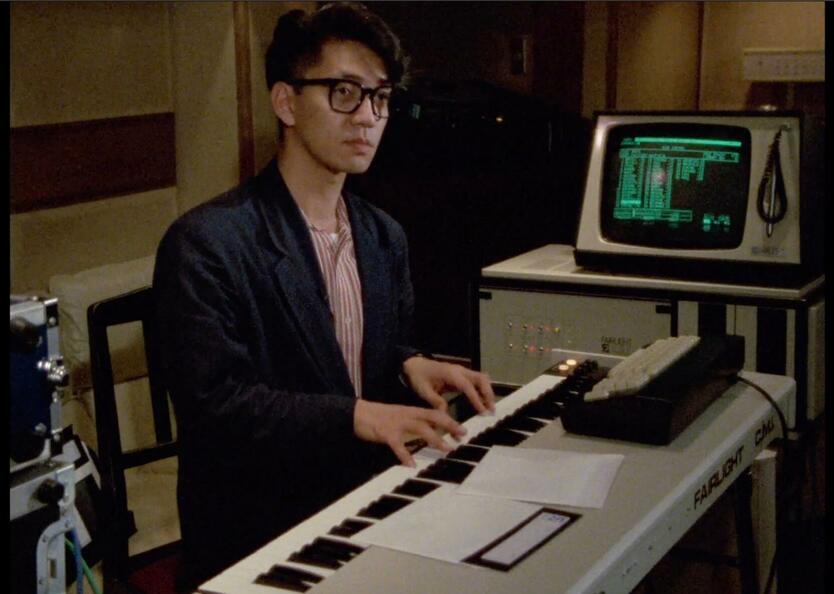
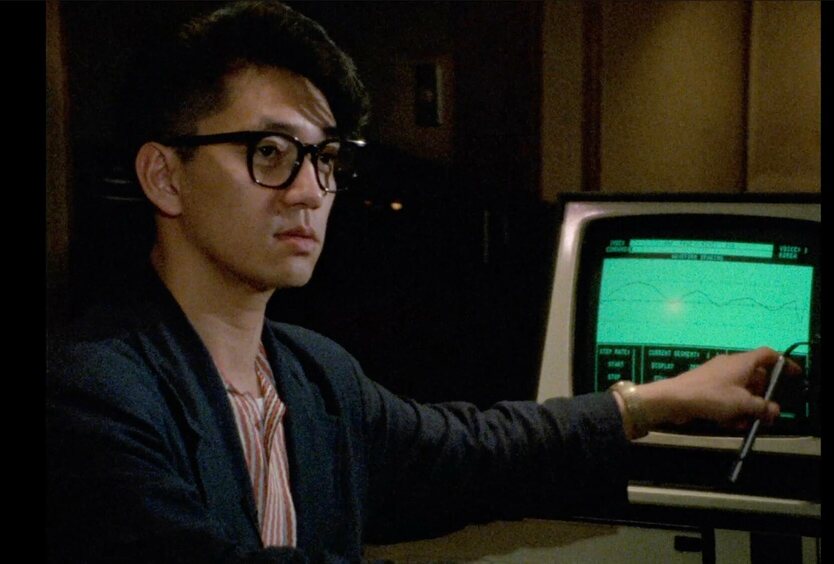
The music production system was gradually shifting from analog to digital around that time. When RS was working on Ongaku Zukan, the digital MTR was introduced during the recording process to replace the analog one, and the Fairlight CMI. was at the heart of his creative set up. However, its appearance was truly extraordinary as seen in the film. The floppy disks containing its sound library and the operating system are as large as 8 inches, which looks like a vinyl. Digitalization was not yet developed enough as to dissolve the materiality of the instruments, or equipment. Nevertheless the visual information of the sequence patterns and the sound waveforms on the monitor tells the era of non-linear editing and digital sound synthesis had already arrived. The music-making process was undoubtedly entering its next phase as the digitalization of sound into bits brought a new level of liquidity to the creative process. And the documentary reveals that this shift was one of his creative inspirations. The following album Esperanto (’85) - music for Molissa Fenley and Company - heavily incorporates sampling and sequencing. The technique developed in producing Ongaku Zukan makes human bodies dance.
As the scene changes from the studio to the streets, the image and the sound of Takenoko-zoku( street dancers) and Edo-Matsuri make the city roaring and bustle of streets becomes frantic. Footage of the Takenoko-zoku is shown repeatedly, and I found its refreshing to see the variety of their dance styles. The rockabilly was just one of these choices. At Hokoten (a pedestrian area, especially that of Harajuku was known where in 70s and 80s Takenoko-zoku hung around), I wonder if any Takenoko-dancers have ever danced to RS’s music or YMO. The soundscape emerging in the one area were flooded with so many different styles of dance, yet they coexisted without excluding anyone and this unique situation reminded me of that of John Cage’s musicircus, which RS respected.
The scenes of Matsuri with its music, Matsuribayashi are inserted several times. The scenes of the recording of “M.A.Y. in the Back Yard” from the original Ongaku Zukan and “Tabi no Kyokuhoku - 0013-04A” from its reissued edition are montaged with that Matsuri footage, blending the sound of Fue, Taiko, Kanamono (metallic percussions), and chants of calls and responses. The sound from this restored version of the documentary successfully enhance the entire sound track of the field recordings of Matsuribayashi and RS’s music at the recording studio. I have associated the resources of “Tabi no Kyokuhoku - 0013-04A” with the traditional Indonesian music from Bali through its layard textures of Asian-style sound. Watching the numerous retakes of “Tabi no Kyokuhoku”, I held my breath as I realized that Matsuri-bayashi was a potential source of the piece, hearing the universal structure common to the Asian traditional music. As is always the case with his music, I was amazed at the magic conjured by RS’s ear.
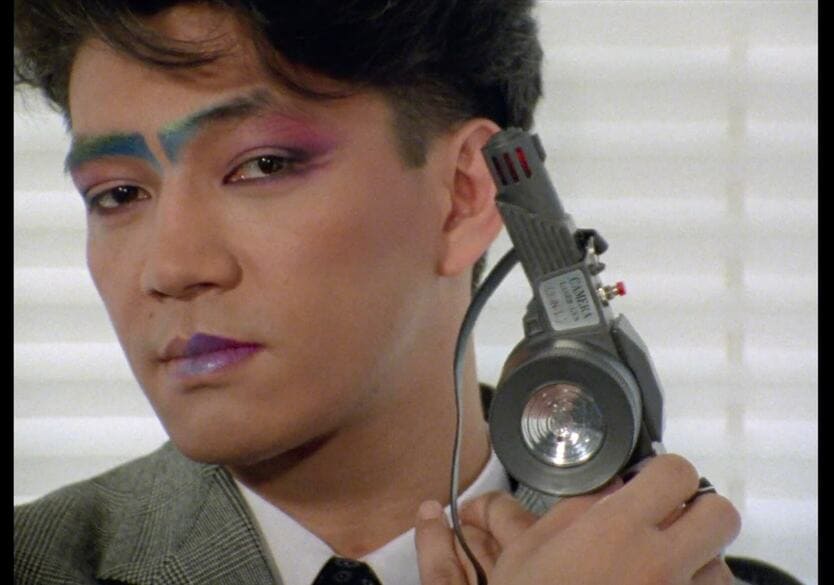
RS touches many issues beyond music, and his comments on makeup, in particular, resonate with me. To him, wearing makeup is a way of transforming into another gender. For some time now, I have been thinking the appearance acquired by transcending gender comes closer to that of cyborg. And that is exactly what the outfits and makeup of YMO represented to me.
Once again, the footage from the concerts of YMO at the beginning and end of the film reminded me that YMO’s immaculate costumes were meant to neutralize gender distinctions. By extension, it seems to me that boys and girls of the Takenokozoku in the film, also did not intend to highlight their sexuality through their flamboyant outfits. The makeup and costumes selected by each zoku (group) were served as a device to transform themselves into otherworldly creatures. Alternatively, this may be one of the magical elements that have driven the traditional performing arts of Japan, such as Kabuki. Surely it may not be about disappearance but rather about becoming something else. Among the various groups only rockabilly dancers seemed to persist in their sexuality.
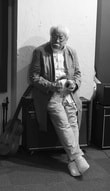
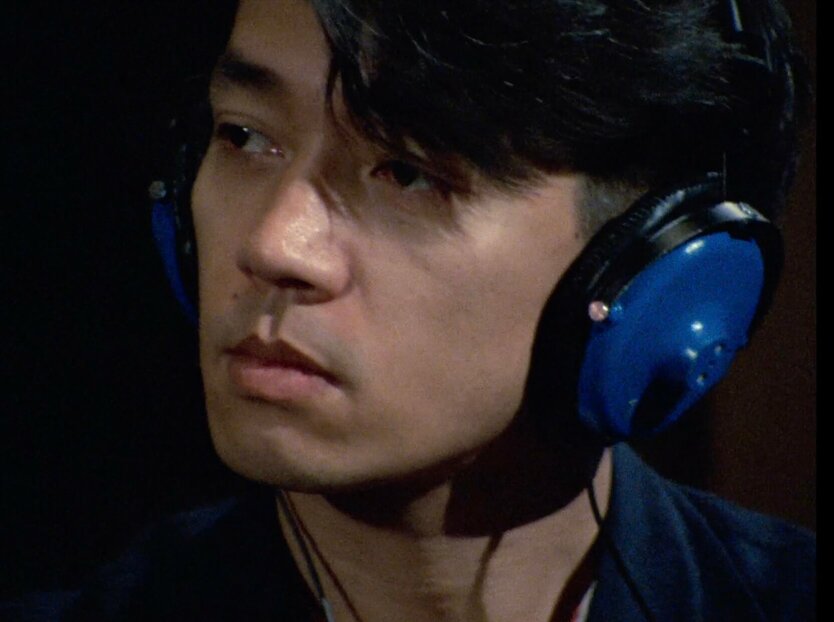
RS playing the piano in this film is powerful. He is sharp, lunging toward the mixing console like a panther to operate the faders and giving instructions to his engineers while playing. Yet, as he selects sounds from his floppy disk library, he looks as innocent as a boy. RS, who quotes Debussy at the beginning and end of the film and says he means to create music for future musicians, seems somewhat embarrassed.