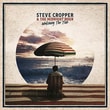
Squaring the Circle (The Story of Hipgnosis)
When record jackets were art
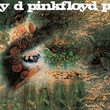
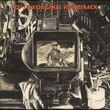
When I was 8 years old, I received as a gift, Pink Floyd’s A Saucerful of Secrets with a jacket design by Hipgnosis from the record producer for Seiji Ozawa. For me, The Beatles was the music of an earlier generation. I grew up with the rock music for which Hipgnosis did jacket designs. Even now, Genesis’s The Lamb Lies Down on Broadway, 10cc’s The Original Soundtrack, and Syd Barrett’s The Madcap Laughs are the most influential albums in my life, and I play some of these songs in my own concerts.
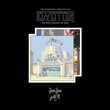
As for the jacket design, I like Genesis, Peter Gabriel, and Led Zeppelin’s jackets the most. In those days, record jackets and rock were art. As Noel Gallagher of Oasis says in the film that “The elite have money to buy expensive art, but for us poor people, the record jacket was the art. Rock later became commercialized, but at this time it was still art.”


Starting in the late 1960s, Tadanori Yokoo, Toshi Ichiyanagi, Kishin Shinoyama, Shuji Terayama, and others often came to visit our family apartment in NYC because they knew my mother. They too often bought records with cover art that intrigued them, and this kind of art and music influenced their art as well. When Hipgnosis wrote the book 100 Best Album Covers, Yokoo Tadanori’s jacket was also included.
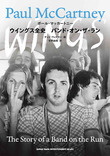
The film’s director, Anton Corbijn, is also the director of Control, a biopic of Joy Division vocalist Ian Curtis. He began his career as a photographer and has created many record covers. I first heard of him when I visited Peter Hammill’s studio in England in 1986 and saw the brilliant cover photo of Hammill’s As Close As This. He had done jackets for artists such as U2, Siouxsie and the Banshees, and Depeche Mode, and he saw Hipgnosis as pioneers in jacket designs. Corbijn is also an experienced filmmaker. The film is very fast-paced and well edited. There are interviews with members of Pink Floyd, Led Zeppelin, Paul McCartney, and Peter Gabriel, and there is a lot in 100 minutes. The story is interesting and more like watching a dramatic film rather than a documentary. There is also vintage footage of Hipgnosis shooting the Band on the Run jacket for McCartney. The story behind the Pink Floyd jacket is particularly interesting.
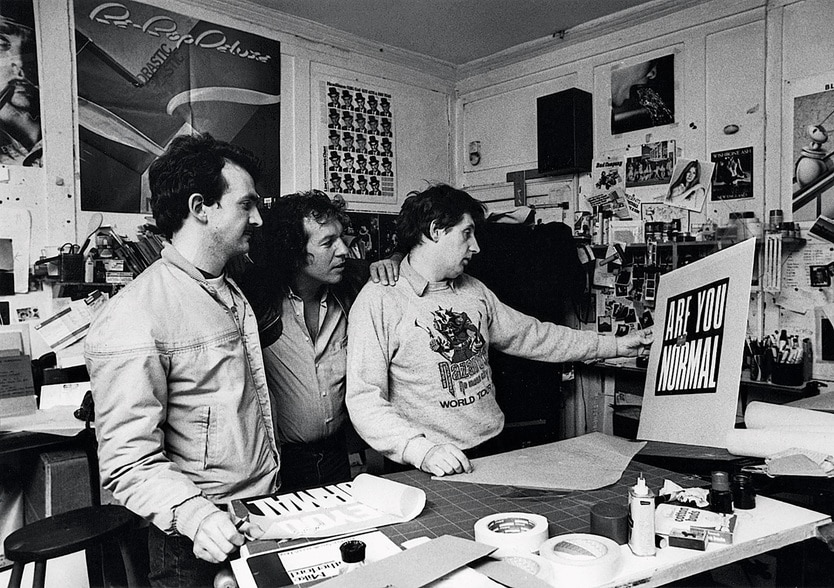
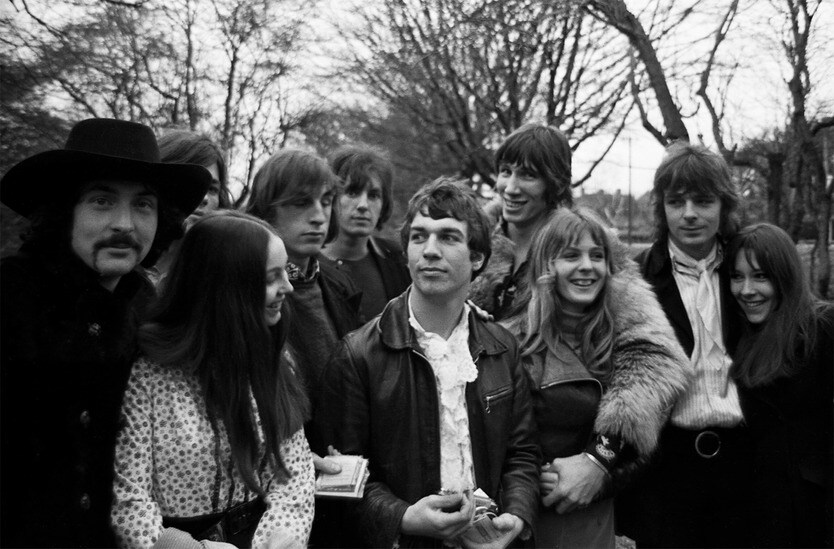
The core members of Hipgnosis were from Cambridge, like Syd Barrett, Roger Waters, and David Gilmour of Pink Floyd. They were friends before their careers began. In London, two members of Hipgnosis lived with Syd Barrett for a short time. They all had periods of time when they were influenced by art, music, literature, LSD (acid) and other psychedelic drugs. Hipgnosis did not set out to be jacket designers. They were asked to do it by Pink Floyd. Their reputation grew. Many of the album jackets I had as a child had artwork by Hipgnosis.
The name Hipgnosis is a combination of two words: ‘Hip,’ meaning cool, and ‘Gnosis,’ meaning knowledge. Pronounced ‘hypnosis,’ this spelling gives it a deeper meaning.
Peter Christopherson, also a musician, later became a member of Hipgnosis. Christopherson became especially close to Peter Gabriel and began working on his jackets. As a musician, Christopherson formed Throbbing Gristle, Psychic TV, and Coil. These musical groups created electronic music with a punk attitude, often used in contemporary dance.
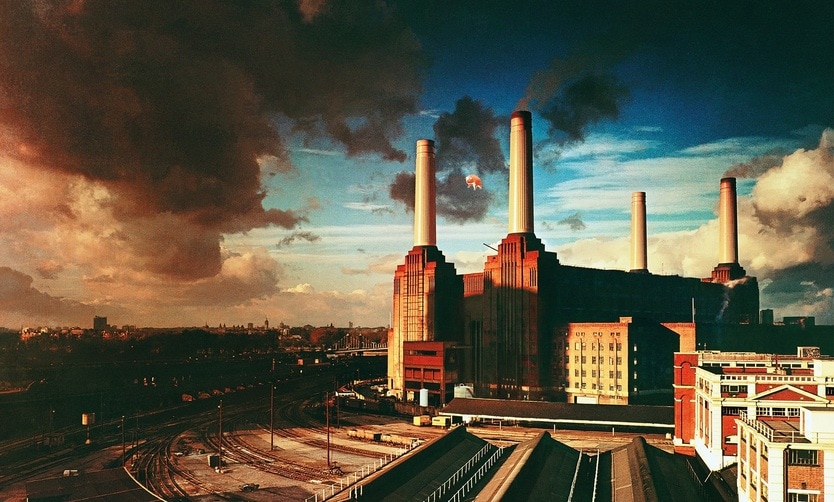
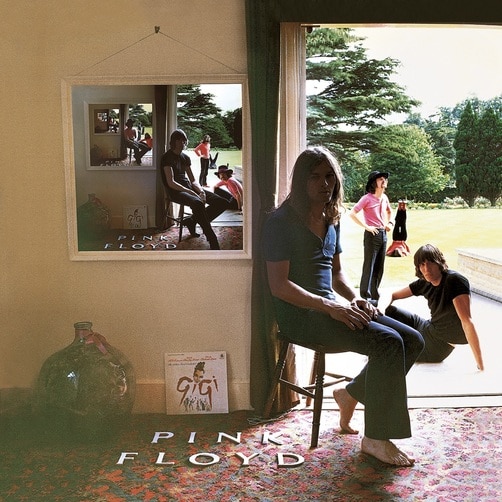
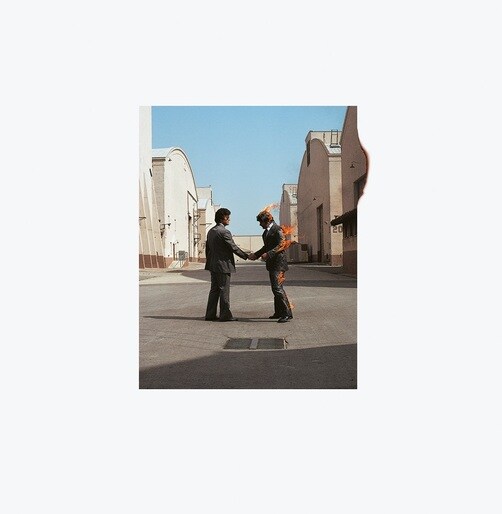
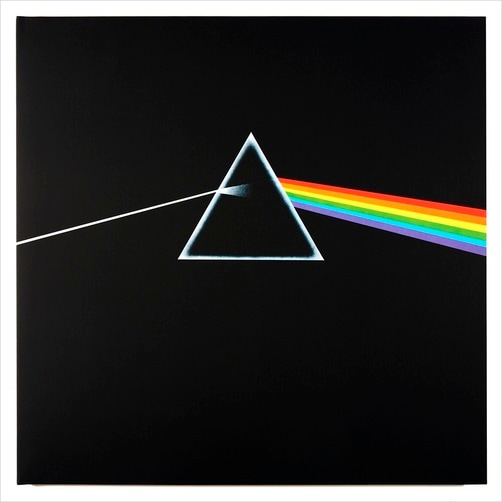
Watching the film, audiences will notice a major difference between the 1970s and today. Hipgnosis stopped making record jackets in the early 1980s, when MTV and CDs were on the rise. In their day, artwork was very analog and manual. Technology is replacing this.
Roger Waters is an interesting storyteller. He and Brian Eno have made many podcasts about the political situation today. in 1970, John Lennon could write a song like “Imagine,” but today, when people talk about political issues and wars, it is too easy to mistake it for conspiracy theories, and too easy to condemn it. Check out Roger Waters and Brian Eno’s podcasts to see what the musicians feel about today’s world.
The younger generation would certainly be inspired by their handmade approach towards creating collages, painting colors by hand over black & white photos to create striking artworks that draws the attention to the sleeve. Records were large - 12 inches - and the art was an important part of the package that was linked to the music.