14 albums Shining Like “rediscovered gems.” Immerse yourself completely in the breathless pace of Kimiko Kasai!
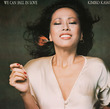
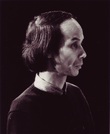
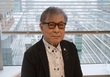
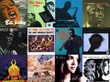
Launched three autumns ago with a mission to preserve timeless masterpieces and musical heritage, the “We Want Jazz” series kicked off with 55 works by Miles Davis. One of those albums, Miles in Tokyo, was brought to the world by Kiyoshi Ito, who was an A&R executive at CBS/Sony at the time. In his own book, My Dear Artists: Encounters with Jazz Legends, he noted, “Perhaps the record Koinuma loved most was Miles Davis’s Sketches of Spain,” recalling the innumerable times they listened to it together. He further attested, “That is why Koinuma invited Gil Evans to Japan, and why he invited Miles as well.” As the masterpiece project enters its fifth series, it delivers a long-awaited lineup featuring 14 works by Kimiko Kasai. This news instantly reminded me of Ito’s words. It suggests that a good way to look at Kimiko’s prolific career is through the lens of Toshinari Koinuma. As the president of Ai Music, he managed Masabumi Kikuchi and Kasai, using his strong planning skills and industry network to shape the music scene.
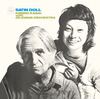
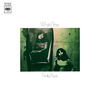
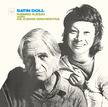
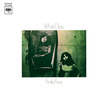
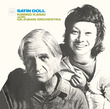
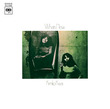
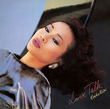
Driven by a desire to bridge the Japanese and American jazz scenes, Koinuma invited Gil to Japan, where he landed at Haneda Airport on June 22, 1972. It was Gil’s first visit to the country, and he brought along Billy Harper (tenor saxophone, flute) and Marvin Peterson (trumpet). They immediately jumped into rehearsals for the Masabumi Kikuchi Concert held at the Tokyo Kōsei Nenkin Kaikan on the 27th. However, according to historical records, four tracks for Satin Doll—the collaborative album by Kimiko and the Gil Evans Orchestra—were recorded on the 26th, and the remaining five tracks were captured on the 29th.Though known as a notoriously slow arranger, the 60-year-old maestro at the time, showed surprising stamina. Thanks to a successful prior planning meeting with Kimiko, this masterpiece—shining with the vibrant individual styles of Hiroshi Fukumura (trombone) and Masayuki Takayanagi (guitar)—was born in just over 20 hours total. Even a single track like Fats Domino’s “I’m Walkin’” perfectly conveys Kimiko’s keen ear for song selection and her sheer momentum. On the other hand, What’s New (recorded in February 1973), her second exclusive album with Sony, offers a completely different, intimate vibe in a small-group setting, featuring a collaboration with the Masahiro Kikuchi (piano), Yoshio Suzuki (bass), and Hiroshi Murakami (drums) trio. Featuring standard love songs, this record captures Kimiko at just 28 years old, exhibiting her genuine talent. The top recommendation is “But Beautiful.” His brother, Masabumi, once told me: “My younger brother (Masahiro) was the first pianist who made me realize what a beautiful piano sound really is.” The track beautifully captures the lyrical sound of his touch and his perfect chemistry with the trio, making this rare album a true masterpiece.
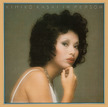
This boom surrounding Kimiko was epitomized by her live album In Person, recorded during her first solo recital at Tokyo Postal Savings Hall on September 24, 1973. The concert featured a dream lineup for any vocalist, accompanied by Nobuo Hara and His Sharps & Flats (who had close ties to Koinuma) alongside the strings of the Chambre Symphonique. On top of that, the famous Oliver Nelson handled the arrangements, conducted the orchestra, and played saxophone that night. The album’s liner notes revisit Nelson’s major credits, such as Diana Ross’s Lady Sings the Blues and the movie Last Tango in Paris, bringing back memories of when I first started listening to jazz.
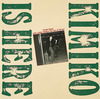
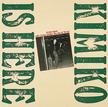
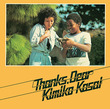
The following year, 1974, she brought Nelson back to supervise her very first overseas recording session in Los Angeles, resulting in the album Thanks, Dear. On top of the two legendary titans, Ray Brown (bass) and Shelly Manne (drums), Kimiko was backed by a 35-year-old Joe Sample (piano). Although Sample was currently rising to fame with The Crusaders thanks to their hit albums Scratch and Southern Comfort, he played acoustic piano on all tracks for this release.The album was produced by Koinuma and Yukio Morisaki, with Koinuma also serving as the photographer. The back cover photo even features famous jazz critic Leonard Feather, who contributed commentary for the original LP. This intense session was completed in only six hours, ending with “For Once in My Life.” Her follow-up album, Kimiko Is Here, was recorded live at the Shinjuku Pit Inn in December 1974. It was a collaborative release featuring the legendary trio of Cedar Walton (piano), Sam Jones (bass), and Billy Higgins (drums). Alongside excellent jazz standards, the tracklist includes an early cover of Van Morrison’s “Moondance,” perfectly illustrating Kasai’s smart, modern, and versatile style.
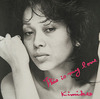
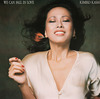
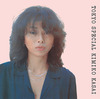
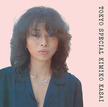
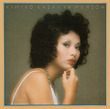
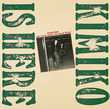
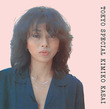
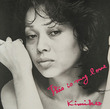
Let us pause here to reflect upon the aforementioned anecdote regarding Koinuma’s beloved record. When discussing Miles Davis and Gil Evans’ Sketches of Spain, the legendary producer Teo Macero cannot be ignored.Kasai worked directly with Macero in New York to record two follow-up albums: My Love (1975) and Fall in Love (1976). The fancy and funky cover portraits from her next three albums are highly recognizable, even to younger generations of listeners. This includes Tokyo Special (1977), which is currently drawing significant spotlight due to the ongoing city pop revival. From a musical standpoint, these albums perfectly capture the cutting-edge sound of the late 1970s and show a clear intention to move beyond the narrow definition of jazz.These recordings also tell the story of a transitional period in jazz history. A prime example can be seen in the music scene of the time, evidenced by the fact that veteran masters like Lee Konitz (alto saxophone) and Stan Getz (tenor saxophone)—both born in 1927—shared a recording session with Cornell Dupree (guitar), a musician born in 1942 who was just around the time of releasing his debut album. In a November 1976 interview with the diva titled "America Makes Me Free" in jazz magazine, editor and interviewer Mihoko Hoshino described meeting Kasai. Observing her posture, stride, seated posture, and professional pride, Hoshino wrote, "Kimiko Kasai is completely flawless!" Writing from the perspective of a woman living in the same era, she added, "These professional qualities are not hidden by her incredible beauty. Instead, they define Kimiko Kasai as a person. They are exactly who she is.” Tadayuki Kawahito shot the album cover for My Love, and famous photographer Kishin Shinoyama took the photos for the next two records, clearly showing the record label’s high level of support. After making several grand albums with Teo Macero in New York, she changed direction with Tokyo Special, a record that is still highly celebrated today. This ambitious Japanese production featured lyrics by Kazumi Yasui and songwriting from Kyohei Tsutsumi, Tatsuro Yamashita, and Akiko Yano. Hiromasa Suzuki (key, arr.) and his Colgen Band provided the backing tracks. Tokyo Special stands even today as a legendary tour de force, conceived as an ambitious response to the New York sessions and backed by the Colgen Band led by Hiromasa “Colgen” Suzuki (keyboards, arrangemants).The way Kasai effortlessly changed her musical style while working between Japan and the US was brilliant.
Documenting their inaugural collaboration is the San Francisco-recorded Round and Round (captured May-June 1978), a project that served as the direct precursor to Butterfly (recorded October 1978)—her monumental, co-credited masterpiece with Herbie Hancock, previously reissued during the project’s third phase as a definitive fusion/crossover landmark. Though I defer the historical minutiae to the respective liner notes, the album notably includes two original pieces penned by Kasai herself.
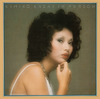
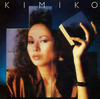
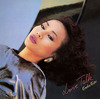
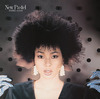
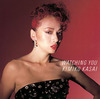
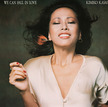
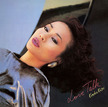
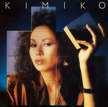
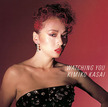
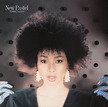
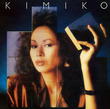
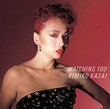
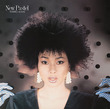
Her first album of the 1980s, Kimiko (recorded in 1982), clearly shows the impact of her versatile style and her growing artistic confidence. The first track, “Right Place,” was written by AOR artists Richard Page, Marc Jordan, and Jay Graydon. Following a greatest hits album, she released Love Talk in 1983. Both records were produced by Richard Rudolph, who later became her husband. Love Talk featured top session musicians such as Lee Ritenour (guitar), Nathan East (bass), and Harvey Mason (drums). Meanwhile, New Pastel was her first album recorded in Japan in six years. It was produced by Yasohachi Ito, who also had close ties to Koinuma. Masanori Sasaji (piano, electric piano, synthesizer) handled the arrangements, and features by Terumasa Hino (cornet) and Takayuki Hijikata (guitar) helped break new musical ground. Her next album, Watching You, was a unique project. After a fashionable live performance at Asahi Hall in January 1985, Kasai re-recorded all of her vocals over the tracks recorded in the US. To wrap up this prolific era, her first standards album in ten years, My One and Only Love, was also produced by Yasohachi Ito. For this project, he put together an all-star band featuring Ron Carter (bass), Al Foster (drums), Michael Brecker (tenor saxophone), and Mike Stern (guitar). Listen to the diverse musical achievements of Kasai’s 13-year exclusive contract, collected here across 14 essential albums!
RELEASE INFORMATION
We Want Jazz series 5: Kimiko Kasai’s 14 albums
“Goku-HiFi” and “Onsho Label” specifications
Release Date: July 22, 2026
-
![]() Kimiko Kasai, GIL EVANS ORCHESTRA Satin Doll
Kimiko Kasai, GIL EVANS ORCHESTRA Satin Doll
-
![]() Kimiko Kasai In Person
Kimiko Kasai In Person
-
![]() Kimiko Kasai What’s New
Kimiko Kasai What’s New
-
![]() Kimiko Kasai Thanks, Dear
Kimiko Kasai Thanks, Dear
-
![]() Kimiko Kasai, CEDAR WALTON TRIO Kimiko Is Here
Kimiko Kasai, CEDAR WALTON TRIO Kimiko Is Here
-
![]() Kimiko Kasai マイ・ラヴ
Kimiko Kasai マイ・ラヴ
-
![]() Kimiko Kasai Fall in Love
Kimiko Kasai Fall in Love
-
![]() Kimiko Kasai Tokyo Special
Kimiko Kasai Tokyo Special
-
![]() Kimiko Kasai Round and Round
Kimiko Kasai Round and Round
-
![]() Kimiko Kasai Kimiko
Kimiko Kasai Kimiko
-
![]() Kimiko Kasai Love Talk
Kimiko Kasai Love Talk
-
![]() Kimiko Kasai New Patel
Kimiko Kasai New Patel
-
![]() Kimiko Kasai Watching You
Kimiko Kasai Watching You
-
![]() Kimiko Kasai My One and Only Love
Kimiko Kasai My One and Only Love