【Click here for English translation of interview】

「GLOCAL BEATS」(共著)「大韓ロック探訪記」(編集)「ニッポン大音頭時代」(著)のほか、先月には新刊「ニッポンのマツリズム」を上梓するなどこれまでに多くの音楽書に携わり、ラジオ番組にも多数出演。世界の音楽とカルチャーをディープに掘り下げてきたライター/編集者/DJの大石始が、パワフルでオリジナルな活況を呈するアジア各地のローカル・シーンの現在進行形に迫る連載〈REAL Asian Music Report〉の第7回をお届けします。今回は〈タイのジャック・ジョンソン〉とインパクト大な異名を持つシントー・ナムチョークを直撃! 本国ではスター級の人気を誇るこのシンガー・ソングライターに、自身の生い立ちから現在のタイの音楽シーンについてまで語ってもらいました。また、9月には来日公演も予定されているので、気になった人はこの機会にぜひ足を運んでみてください! *Mikiki編集部
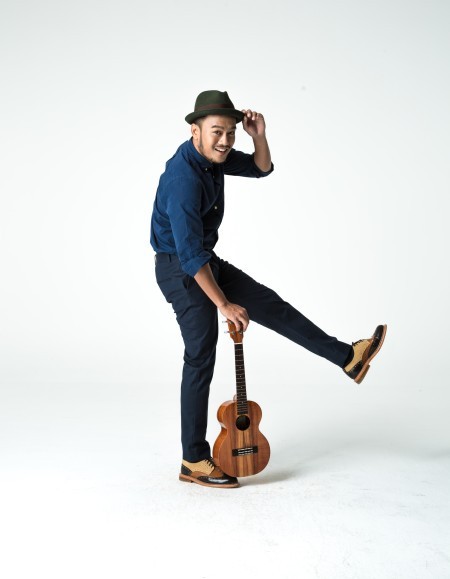
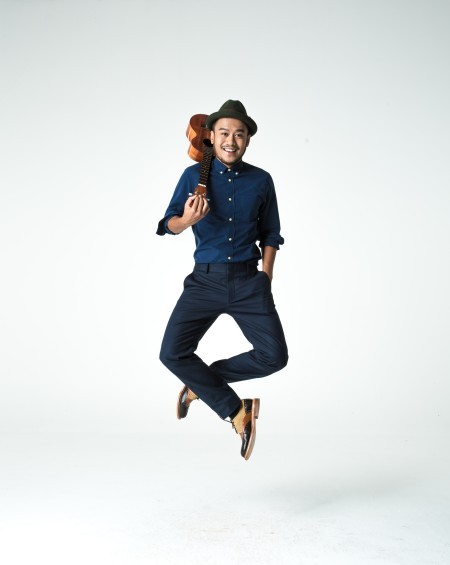
シントー・ナムチョークという名前を聞いて、すぐにピンとくる日本人は現在のところそれほど多くはないだろう。だが、YouTubeの再生回数はなんと5千万回オーヴァー! 本国タイでは絶大な人気を誇るシンガー・ソングライターであり、日本でも一部に熱狂的なファンが存在しているという。シントー・ナムチョークの持ち味はサーフ・ロック系に通じる緩やかなアコースティック・グルーヴだ。実際、彼は〈タイのジャック・ジョンソン〉などというキャッチコピーと共に紹介されることもあるが、その歌世界は各国に無数に存在するジャック・ジョンソンのフォロワーたちとは一味違うもの。その背景には、田舎町の貧しい家庭で生まれ育ちながら、歌とギターだけでタイ音楽界のトップランナーにまで勝ち上がった彼のサクセス・ストーリーがあった。
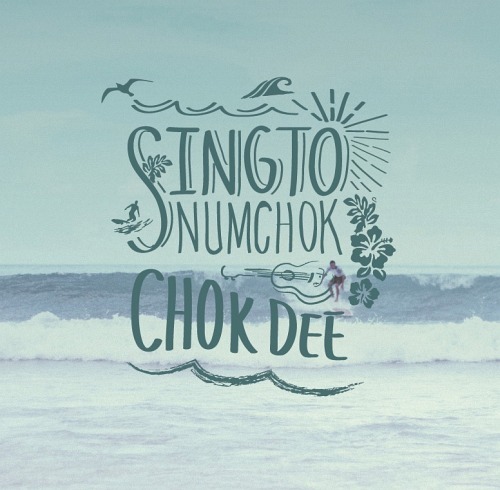
今回は日本デビューEP『Chok Dee』を先月リリースし、9月には来日公演も予定しているシントー・ナムチョークを直撃。日本ではあまり紹介されることのない彼のホーム=プーケットの音楽事情なども垣間見える興味深いインタヴューとなった。

TVでギターを手に歌うバンドを観て、これだ!と思った
――シントーさんはタイの東北部、ブリーラム県の出身ですよね? ブリーラムのどのような街で育ったんでしょうか。
「確かにブリーラム県の出身ではあるんだけど、実家があるのは街中じゃなくて、中心地から離れた村なんだよ。まだまだ開発が進んでいない地域で、街から行くにしてもソンテオというローカルの乗り合いバスに乗らなくちゃいけなくて。僕自身貧しい家庭に育ったけど、みんな親切な人たちばかりだし、とても良い環境だったよ」
――ご家庭が貧しかったために10代の頃から工場に働きに出掛け、昼休みにギターを弾くようになったのが音楽を始めたきっかけだと聞きました。この当時のことについて、もう少し詳しくお話を聞かせてください。
「僕がギターを弾きはじめたのは12歳の時。当時はバンコクの金属機器の工場で働いていたんだよ。あまり裕福ではない田舎の家庭では、誰かがバンコクに出稼ぎに行って実家に仕送りをすることはざらでね。僕はその頃に音楽に触れて、ギターの音に魅了されたんだ。それでTVでいろいろなバンドを観ていた時に気付いたんだよ、〈これだよ、これ!〉って。ギターを手に、みんなのために歌い奏でることがすごく格好良く思えて、すぐにミュージシャンとしての人生を歩みたいと思うようになった。その頃の僕にとっての音楽はクールなものだったけど、いまはどちらかというとハッピーなこと(幸福のためのもの)になっているね」
――タイの東北部、イーサーン地方というとモーラムやルークトゥンなどのローカル・ミュージックが盛んな地域でもありますよね。シントーさんもそういった音楽は聴いていました?
「うん、子供の頃から聴いてたよ。何せウチの父親はルークトゥンのアーティストだからね」
――えっ、そうなんですか!
「そうそう。だから、もはやその血筋と言ってもいいだろうね。父親は家でも常にルークトゥンをかけていたし、僕も自分が音楽好きであることを意識する前からルークトゥンやモーラムを吸収していたと思う。だから僕の血にはルークトゥンやモーラムが流れてるんだよ。すごくユニークな音楽だと思うし、故郷の文化を伝えるものだとも思うよ」
――シントーさんの歌の中にはしみじみとした情感がありますけど、それってもしかしたらルークトゥンやモーラムから受け継がれたものなのかもしれませんね。
「ひょっとしたらそうかもしれないね」
――タイの人気シンガー、ボー・スニターの歌にもっとも影響を受けたという話も聞きました。彼女の歌のどのような部分に衝撃を受けたのでしょうか。
「その通り、TVで観て強烈にインスパイアされたんだよ。その番組で彼女はアーティストになる前のことをいろいろと話していたんだけど、レーベルに自分の作品を送り続けたという内容で。アーティストになるにはとにかく努力が必要だってこと、そしてお金の力には頼れない、ということを僕はその時に知った。それから僕はいつかミュージシャンになることを夢見て、ギターと歌の練習に励むようになったんだ」
――ボー・スニター以外に当時好きだったミュージシャンは?
「彼女以外で僕にギターを練習する気にさせてくれたのはローソー(LOSO)というバンドで、当時のタイで彼らを知らない人はいなかった。リーダーはギターを弾き、作曲もすれば歌もものすごく上手い。そしても何よりも、〈有名になるためにはルックスは二の次だ〉ってことを教えてくれた。彼の半分の実力にでも追いつくことができれば、僕にだってチャンスは巡ってくると思うことができたんだよ」
――その後、バンコクのバーでライヴを始めるようになりますね。
「そうだね。ようやく自信を持てるようになるまで腕が上達した頃、演奏させてもらえるよういろいろなバーを回ったんだ。経験がない身だから難しいのはわかっていたけれど、ほかにやりようがなかったからね。ライヴができるようにひたすらお店に頼んで回って、巡ってきた機会には何だって応える。そういった日々を重ねていくうちに、気が付けばミュージシャンが本職になっていたんだ」
――なるほど。また、シントーさんはMonoというバンドと共に2枚のアルバムを残していますね? Monoと一緒にやることになった経緯を教えてください。
「あるバーでエレキ・ギターを弾いていた時のことなんだけど、当時あまりにお金がなくてエフェクターを買えず、アンプに直接ギターを繋いで弾いていたんだよね。そうしたら、その演奏を観たMonoのメンバーが〈エフェクトを使わずに演奏しているなんて、すごくカッコイイね〉と言ってくれて。彼らはちょうどヴィンテージ・スタイルのギタリストを探していたところで、一緒にやることになってね。彼らとは2枚アルバムを作ったよ」
――でもそのMonoを脱退し、プーケットに一人移ることになりますよね。その理由は?
「僕はロッカーだから、新しい場所に行って、まだ演奏したことのないところで演奏したいと思うようになったんだ。それに海が大好きだから、海の近くがいいなと考えているうちに、最終的にプーケットに落ち着いたんだよ。まずはミュージシャンを募集しているバーを見つけようとネットで片っ端から調べて、ようやくひとつのバーを見つけたんだけど、一緒にやる友達が見つからなくて、仕方なくアコギを片手に一人でやることにしたんだ。そうしたらそれがハマってね。何よりプーケットでは自分の愛する場所で歌い、ギターを弾いて、好きなことをすれば良かった。アルバムを作る必要もなければ、有名になるためにヒット曲を作る必要もなかった。ただ、歌を歌うだけで満たされるものがあったんだ」
僕の音楽は〈フィール・グッド・ミュージック〉
――あなたの歌はジャック・ジョンソンやジェイソン・ムラーズとも比較されますが、実際、彼らから影響を受けたのでしょうか。
「うん。ジャック・ジョンソンやジェイソン・ムラーズのようなスタイルの音楽と出会ったのはプーケットに移ってからだけど、まさにこれは出会いだと思ったよ。というのも、僕はたった一人でアコギ一本だけを持ってやっていたわけで、彼らのスタイルは当時の僕にぴったりだったんだ。それに彼らの音楽には、僕がそれまで一度も聴いたことがないようなリズムがあって、そうした要素をタイの音楽に採り入れたら素敵なものが出来るんじゃないかと思ったんだよ」
――プーケットはサーフィンのメッカとしても知られていますよね。シントーさんもサーフィンをやるんですか?
「うん、やるよ。それこそジャック・ジョンソンのようにね。彼の音楽に加えて、サーファーたちのライフスタイルからも多くのことを享受していると思う。ジャック・ジョンソンの音楽はただシンプルなだけじゃなく、そこには彼らのライフスタイルが反映されている。そこが気に入ってるんだ。プーケットでは確かにサーフィンが盛んだし、僕も自然と興味を持つようになった。ちっとも上手くはないけれど、すごく楽しいよ。ただ、時には危険なこともあるね」
――シントーさんはウクレレも弾きますよね。ウクレレを始めたきっかけは?
「ウクレレもプーケットに移ってから弾くようになった。初めてウクレレを目にした時は〈何だあの楽器は?〉っていう感じだったけど、とにかく小さいし作曲もできる。そのうえ値段も安いしね。僕が最初に手にしたものは1000バーツ(約3千円)ぐらいだったよ。弾けば弾くほど気に入って、いまではギターもウクレレも両方弾いているんだ」
――いまもプーケット在住なんですか?
「いや、バンコク在住だよ。そのほうが活動がしやすいからね。でも心はいつもプーケットにある。あの場所ほど僕に合う場所はないんだ」
――プーケットのなかで音楽リスナーがまず行くべき、シントーさんオススメの音楽スポットがあれば教えてもらえませんか?
「プーケットでは常に呑み屋やバーが移り変わっているから、僕が出入りしていたところがまだ営業しているかはわからないけど、長年営業しているところもあるね。それが〈Timber Hut〉というお店で、かけている音楽もいいよ。よく間違ってグラスを家に持って帰ってしまっていたんだけど、ある日警備員に〈随分とたくさんのグラスを持って帰っているじゃないか、返してくれ!〉と言われちゃってね(笑)。決してわざとやっていたわけじゃないんだけど、そのわりにはたくさんのグラスが僕の家には転がっていたな(笑)。プーケットに行ったらぜひ遊びに行ってほしいね」
――では、タイの音楽シーンについてもお話を訊かせてください。国外から見ていると、ここ5年ぐらいでシントーさんのように欧米の音楽から影響を受けたアーティストやバンドがかなり増えている印象があります。シントーさんはどう思われますか?
「音楽シーンの変化は当然世界中で起きているわけで、もちろんタイでも同じだよ。最近は以前よりも才能に長けたアーティストも増えたし、音楽のスタイルもかなり広がっていると思う。常に新しい種類の音楽に触れることができるので、僕もとても嬉しい。またタイの音楽シーンに問題点などもないわけじゃないけど、問題視するほどのものはないと思うな。どんな時代にも問題はあるものだし、少なくとも僕はみんなからのサポートを受けながら、自分の好きなように音楽を作ることができている。いま取り組んでいることを続けるだけ、そう思っているよ。あと、タイでも西洋の音楽だけでなく、アジア近辺や東南アジア諸国の音楽も耳にする機会が増えて、なかには衝撃を受けるものもあるよ」
――現在あなたが注目しているタイのアーティストがいれば何組か教えてください。
「まずはシントー・ナムチョークを聴いてみることだろうね(笑)。その後にタイの音楽について教えてあげるよ(笑)」
――わかりました(笑)。では、今回リリースされた日本デビューEP『Chok Dee』の聴きどころについて教えてください。
「僕は自分の音楽をいわゆる〈フィール・グッド・ミュージック〉だと思っているんだ。リスナーには気分良く、リラックスして聴いてほしいし、それだけで大満足だよ」
――この日本盤がリリースされるParabolicaからは、バンコクの女性ポップ・デュオ、ストゥーンディオ(STOONDIO)の日本盤をリリースされています。彼らにはどんな印象を抱いていますか?
「ストゥーンディオは僕の友達で、昔〈Stu-fe'〉というバーで一緒に演奏していた仲間なんだよ。最近はあまり会ってないけど、彼らもParabolicaと契約しているなんて本当に嬉しい。そのうち一緒に日本に行ける日が来たらいいんだけどね」
――9月には2度目の来日公演を控えていますが、日本の音楽で何か知っているものはありますか?
「X JAPANは昔から聴いているよ。hideのギターは凄すぎて、いつ聴いても頭を悩まされる。まったく、彼のようにプレイできたことなんてこれまで一度だってないからね。ほかに日本のアーティストで気に入っているのは、コーネリアス、toe、DEPAPEPEあたりかな」
――それでは、最後の質問です。シントーさんが歌を通して伝えたいものや表現したいものとは?
「僕は音楽を演奏できることが本当に幸せだし、リスナーにもそれは感じてもらっていると信じている。僕の音楽を聴いて笑顔になってもらえるなら、それで十分。それだけで僕は満足なんだよ」
Singto Numchok Japan Tour 2016
9月14日(水)東京・新宿MARZ 共演:Tempalay、iri、 deepsea drive machine
9月15日(木)東京・HMV&BOOKS TOKYOインストアイヴェント
9月16日(金)東京・新代田FEVER 共演:never young beach、ルルルルズ
9月17日(土)神奈川・タワーレコード横浜ビブレ店インストアイヴェント
[REAL Asian Music Report]
Being involved in numerous music-related writings and known as the radio personality actively sending out Asian information, Hajime Oishi (writer/editor/DJ) who’s been delving deeply into music and cultures around the globe, takes charge of this serial –{REAL Asian Music Report}- that gets right to the bottom of the present progressive state of each of the local scenes in the bustling and unique neighborhoods across Asia.
This time, Oishi interviews the [Jack Johnson of Thailand], Singto Numchok - the man who rose to stardom with one guitar and his singing
Interviewed and written by: Hajime Oishi
The name [Singto Numchok] may not ring a bell for many of the Japanese today yet. But in his homeland Thailand, Singto Numchok is a superstar singer-songwriter, and sure enough, his videos on YouTube have surely rung the bell having exceeded 50million plays. We have learnt that there is also an enthusiastic following here in Japan too. Numchok’s style is characterized by the gentle, smooth acoustic groove drawing from the vibes of surf rock. Indeed, he does occasionally get introduced with the tag line ‘the Jack Johnson from Thailand’, though the world he sings takes a different approach from the other Jack Johnson-followers all over the world. This may owe to his background with the success story of growing up in a poor family in the countryside, but then rising to stardom as the top player of the Thai music scene, armed only with one guitar and his singing.
I had the privilege of a direct conversation with the artist who has just released his EP “Chok Dee” that marks his debut in Japan, and who is making his way Japan-bound for a performance in the country this September. Read the interesting interview that reveals some of the state of things of his now ‘spiritual home’, Phuket, that is rarely introduced here in Japan
I saw different bands on TV and felt that that was it
That was what my life was supposed to be
――We understand that you are from Buriram in the northeast of Thailand. What kind of environment were you brought up in?
My hometown is a province called Buriram. But my home is not in the city center area, but in a village far from the city center. To get there, you have to ride the local bus called [Song Taew], because it’s not very developed there yet. Growing up, my family was quite poor, but the village was very friendly and the surroundings were still nice.
――We also heard that due to the financial needs of your family, you had gone to work in a factory from your teens, which was where you started to play the guitar at lunchtime breaks. And that was what opened you up to playing music. Could you tell us a little more about these days?
I started learning the guitar when I was 12 years old. Back then, I was working at a metal machining factory in Bangkok. It is common that if you live in the countryside and your family is not well off, then you go to Bangkok to work and send money home to help the family out. And while I was working there, I enjoyed hearing the music, the sound of the guitars, and I saw different bands on TV and felt that that was it. That was what my life was supposed to be, I wanted to be a musician, I felt it was really cool, how you can pick up a guitar and sing for everyone. At first, that was my idea, that music was “cool.” But now that I’ve been doing it, I think it’s more about happiness.
――The Isaan region in the northeast of Thailand is famous as active areas for local music such as Morlum and Loogthung. Did you also grow up listening to these kinds of music?
I have listened to Morlum and Loogthung music since I was young, because my father is a Loogthung artist.
――Wow, is that so?
Yes, so I would say they’re in my blood. He always put this type of music on, so I grew up absorbing it without realizing that I liked music. But somehow, Loogthung and Morlum had already been running in my blood. I think these types of music are very unique and tell cultural stories.
――Your songs come with a deep emotional feel. Perhaps that was something you inherited from Loogthung and Morlum.
Yeah, that might be.
――We hear that you received the greatest influence from the songs by the popular Thai singer, Beau Sunita. What was it that inspired you the most?
Yes, the person I saw on TV and became inspired was this lady, Beau Sunita. I watched one of her interviews and the way she told her story of how she sent all her work to different music labels until she became an artist made me realize that in order to become an artist, you have to work hard, and even money can’t get you there. After that, I started practicing the guitar and singing, and hoped that one day I would become a musician.
――Were there any musicians other than Beau Sunita that you used to like back then?
Apart from Beau Sunita, another band that encouraged me to play the guitar was LOSO. Back then, everyone (in Thailand) had to know LOSO because of the lead artist who played the guitar, composed the music and sang very well, and more importantly, he didn’t have to be good looking in order to be famous. LOSO gave me hope that if I were half as good as he was then I might have a chance.
――And then after that, you started playing live performances at bars in Bangkok?
That’s right. After I had been practicing enough to have the confidence, I applied to perform at different bars. I knew it would be hard at first because I didn’t have the experience, but what else can you do, right? So I kept applying for gigs and worked whatever came my way, slowly working my way through until one day I realized I was already a full-time musician.
――I see. Meanwhile, you have recorded 2 albums with the band Mono. Tell us how you got to work with Mono at the first place?
While I was playing at a bar as the electric guitarist, I didn’t have a lot of money so I didn’t have any effect pedals, and I simply played the guitar using just the amplifier. Then, one of the members of Mono came to watch me one day and said that it was really cool the way I played without using effects. They were looking for a vintage style guitarist so we decided to work together. We made 2 albums together.
――But then you leave Mono and end up moving to Phuket. What was the reason you decided to move?
A ‘rocker’ like me felt that I wanted to find new places to play music, new places I had never been to. And I had always liked the sea, so I thought of going there, and eventually went to Phuket. I started off by searching on the Internet to find any bars looking for a musician, and I found one but they were looking for a band, so I asked other friends along, but no one was interested. So I just went alone, with my acoustic guitar. And I fell in love with it. I didn’t feel the need to make an album, become famous, or have any hit songs, because I was in a place that I loved, I got to do what I loved, sang and played the guitar. I felt I had enough, and I stayed in Phuket for a long time.
My music is what I’d like to call “feel good” music
――Your songs are often compared with those of Jack Johnson or Jason Mraz. Were you actually influenced by these artists?
Yes. I first came across music style like that of Jack Johnson and Jason Mraz when I was in Phuket, and I felt it was it. Because I came alone, just me and my acoustic guitar, it was the style that worked for me. There were rhythms I had never heard before in their music, so I thought back then that it would be nice to do something like that for Thai music too.
――Phuket is known to be a key spot for surfing. Do you enjoy surfing too?
Yes, I also surf, just like Jack Johnson. Apart from liking his music, I think the surf culture has a lot in it including its lifestyle and way of living. It’s not like you just want to make simple kind of music, but the style comes from way of living which reflects in his music style, and that’s what I like. As for surfing, I wanted to try it out because there was surfing in Phuket. It’s fun but also dangerous.
――You play the ukulele too. What brought you to start playing the ukulele?
I started playing ukulele when I was in Phuket. The first time I saw a ukulele, I was like, “What was that instrument? It looked like a guitar but so small, and can make songs! Also, it is cheap! I mean the first one I saw was cheap, it was 1,000 Baht (approximately 3,000 yen.)” So I bought it and played, the more I played, the more I liked it. So, I play both the guitar and the ukulele.
――Are you still living in Phuket?
Now, I live in Bangkok mainly because it’s easier for me to work on my music projects, and doing promotions. But of course, my heart remains in Phuket, like I had said before, Phuket is just right!
――Can you recommend any music-related spots that music fans should definitely visit?
Phuket is a place where pubs and bars come and go, so I’m not sure the places I had been to would still be there. But there’s one place, that has been there for a long long time and they have very nice music there, it’s called “Timber Hut”. I went there often and accidentally brought their glasses home. One day, the guard shouted to me, “Hey you, you’ve taken so many of our glasses, please put them back!” I never did on purpose but I had quite a few of their glasses at home still, and I would love to recommend this place if you go to Phuket.
――Now, tell us about the music scene in Thailand. Looking from overseas, it seems like there’s an increased number of artists or bands seemingly influenced by western music over the past 5 years or so. What do you think yourself?
Of course, there have been a lot of changes in the music scene around the world including Thailand. What I’ve noticed recently is that there are many more talented musicians, as well as many more new styles of music. I really like it because I feel I get to consume new types of music all the time. Problems in the music scene in Thailand do exist too, but I don’t view them as problems. There are problems in every period of time, in fact. But for me, how I get to work in music, doing what I love, and having supports from everyone, I shouldn’t be too worried about anything. I just keep doing what I do. Apart from music from the West, we also get to hear a lot of indie music from around Asian and South East Asian countries. Some of them make me shocked, but in a good way, not in a bad way!
――Are there any Thai artists you are keeping an eye out for lately?
First I want you to try listening to “Singto Numchok” then I will tell you more about Thai music. Hahaha.
――Understand (lol). In the meantime, please tell us about the highlights in the Japan-debut EP “Chok Dee” you have just released?
My music is what I’d like to call “feel good” music. I want my listeners to feel good and relax when hearing it, and that’s more than enough.
――From the label Parabolica that released the Japanese edition of your EP, the female pop duo from Bangkok, STOONDIO also has a Japanese release lined up. What is your impression of this duo?
STOONDIO are my friends. We used to play at the same bar called Stu-fe’. We haven’t been seeing each other lately, but I am very happy to know that they also work with Parabolica too. Who knows, maybe we will get to go to Japan together sometimes.
――You will be coming to Japan to perform for the second time this September. Is there any Japanese music that you know?
I’ve always listened to X-Japan. There is Hide who gives me headache from the guitar ability. Boy, I had never been able to play like he can. Other Japanese artists I admire are Cornelius, Toe and Depapepe.
――And this would be our final question. What do you wish to convey most through your music?
I am happy to play music, and I believe that my listeners can feel that. If you hear my music and smile, that is enough for me, I am happy.
Singto Numchok Japan Tour 2016
Wednesday 14th, Sep. Shinjuku MARZ, Tokyo w/ Tempalay, iri, deepsea drive machine
Thursday 15th, Sep. Instore event at HMV&BOOKS TOKYO, Tokyo
Friday 16th, Sep. Shindaita FEVER, Tokyo w/ never young beach ,rourourourous
Saturday 17th, Sep. Instore event at Tower Records Yokohama Vivre store, Yokohama