【Click here for English translation】

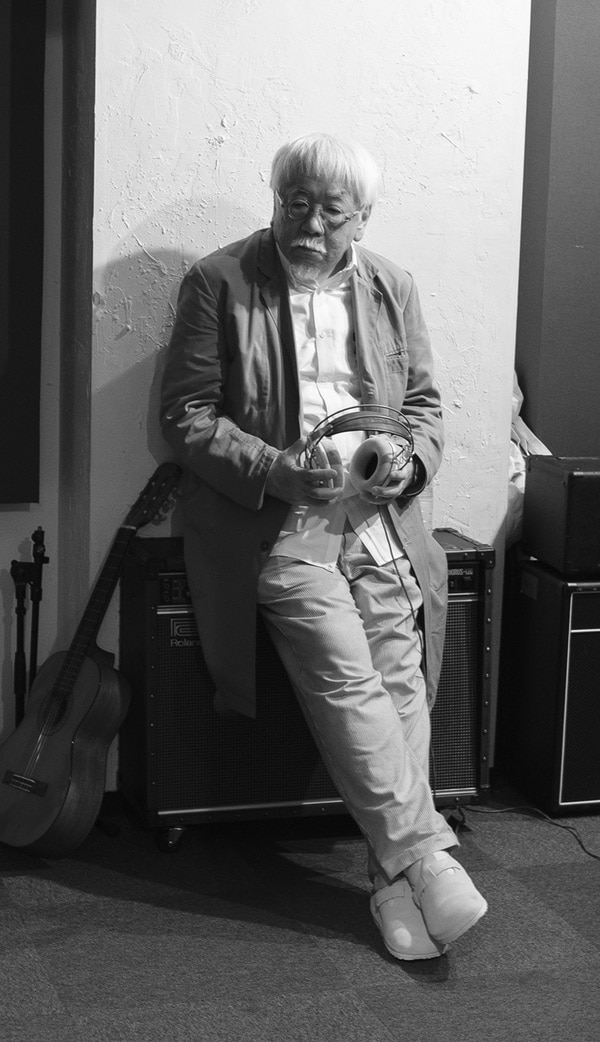
「GLOCAL BEATS」(共著)、「大韓ロック探訪記」(編集)、「ニッポン大音頭時代」(著)などの音楽書に携わり、文化放送のラジオ番組「MAU LISTEN TO THE EARTH」でパーソナリティーとしてアジア情報を発信するなど、世界の音楽とカルチャーをディープに掘り下げてきたライター/編集者/DJの大石始が、パワフルでオリジナルな活況を呈するアジア各地のローカル・シーンの現在進行形に迫る連載「REAL Asian Music Report」。第2回のテーマは台湾インディー。日本でも注目を集めるシーンの現状を、当地でライヴハウスを構えて(!)見守っている〈台北月見ル君想フ〉の店主にして、バンド〈泰山に遊ぶ〉のリーダーでもある寺尾ブッタ氏に語ってもらった。 *Mikiki編集部

2015年11月、シンガー・ソングライターの青葉市子が初のアジア・ツアーを行い、大きな成功を収めた。彼女が回ったのは台北(台湾)、香港、クアラルンプール(マレーシア)、シンガポール、バンコク(タイ)の5都市。その成功を支えたのは、各都市で活動するインディー系アーティストやオーガナイザーであり、企画から制作、アテンドまでをこなした本稿の主役、寺尾ブッタさんだった。
寺尾さんはまさに、アジア・インディー・シーンのキーパーソンのひとりと言える。もともとは東京・青山のライヴハウス〈月見ル君想フ〉のスタッフだったが、同店の店長に就任後、もともと強い関心のあったアジア各国のアーティストをブッキング。2013年には親会社から〈月見ル君想フ〉を独立させる形で経営者に就任し、2014年12月には台湾の台北にて〈月見ル君想フ 台北店〉を開店した。
1か月の2/3は台北にいるという寺尾さんは、台湾と東京を慌ただしく行き来しながら、新しいアジア・インディー・シーンの形を模索している。そんな彼に台湾インディー・シーンの最新動向や先日の青葉市子アジア・ツアーのことなど、幅広くお話を伺った。

――2014年12月に〈月見ル君想フ〉の台北店がオープンしたわけですが、そもそもどういう経緯で台湾に支店を出すことになったんですか。
「東京の〈月見ル君想フ〉で台湾のバンドを呼ぶなかで、徐々に台湾にどっぷりになっちゃって。台北にも足繁く通うようになって、2013年の10月には初めて台北で〈月見ル君想フ〉主催のイヴェントをやりました。そのとき出演したのは、初の台湾ライヴとなるクラムボンと、現地のガールズ&ロボッツ、ステイ・クールという3バンドで、会場は台北の〈WALL〉でした。海外公演はそのとき初めてやったんですけど、可能性を感じる一方で反省点もあって。まずはやりたいことをやれる場所の必要性を感じましたし、台北でそういう場所があれば、東京と2か所で何かができるんじゃないかと思ったんですね」
――日本のライヴハウスが台北に支店を作るというケースは前例があるんですか?
「いや、ないと思います。だから現地の関係者にとってはちょっとした衝撃があったと思うんですよ。〈こいつら、何をするつもりなんだ?〉っていう。ただ、スタンディングで150人、座りで100人いかないぐらいの規模のライヴハウスで、なおかつアコースティック系が中心なので、それほど派手にオープンしたつもりはないんですけどね」
――オープンまでにはいろいろな苦労があったと思うんですが。
「細かいことですけど、内装にしても水道にしても業者との意思疎通が大変でしたね。日本と全然違うんですよ。要はマイペースで(笑)。それぞれの業者が好きなようにイジってるから、元がどんな場所だったのか把握できない。お店をやってる他の日本人の方に訊いても同じことを言いますね。日本から業者を連れていったほうが結果的に安くて早いんじゃないかという話もあるぐらいで」
――お店はどういうエリアにあるんですか?
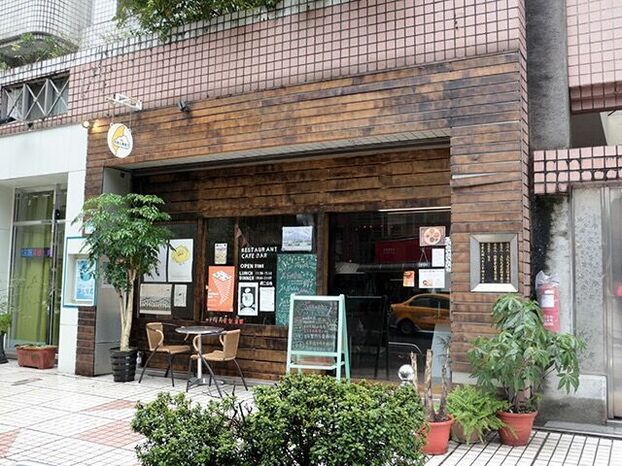
「わかりやすく言うと、台北駅近くのビジネス街と、台湾大学とか師範大学がある学生街の間ぐらい。永康街っていう賑やかな通りがあって、そこから一本外れた通りにあるんです。日本統治時代の古い日本家屋が結構残っているエリアで、リノヴェーションしてカフェになってるところもありますね。出店するにあたっていろんなエリアを見たんですけど、永康街周辺は大学も近いので、ライヴハウスも結構あって。環境的にもいいんですよ」
――お客さんは学生が多いんですか?
「イヴェントによってさまざまですね。ビルの1階と地下を借りてまして、1階をレストラン、地下をライヴ・スペースにしているんですけど、通りから一歩奥まったところにあるので、ちょっと上の年齢層の方もいらっしゃいますね。日本文化や音楽に関心を持ってる若い方も多いですし」
――イヴェントは毎日やってるんですか?
「いまのところ週末だけですね。台北って平日にフラっとライヴを観に行く文化があまりないんですよ。出演バンドもさまざまで、日本のアーティストも多いんです。最近だったら青葉市子さん、Alfred Beach Sandal、シタールのヨシダダイキチさんや、マーレーズが台北のSKARAOKEと一緒にやったり。ウチの店はあまり大きな音を出せないので、他のライヴハウスでやったYogee New Wavesとnever young beachの台湾公演のアフター・パーティーをアコースティックでやったりしました」
――台北のライヴハウス界隈の状況はどうですか?
「透明雑誌やスキップ・スキップ・ベン・ベンがガッと出てきた5、6年前の台北は、一種のバンド・ブームの時期だったんですね。その頃は日本でも〈台湾がおもしろいぞ〉っていう噂が広がってましたけど、その最中にいたバンドのメンバーもだいたい30歳を過ぎて、多少ブームも沈静化していて。あと、透明雑誌やスキップ・スキップ・ベン・ベンの次の世代の盛り上がりがなかなか出てこないんですよ。台湾だけの話じゃないと思いますけど、インディーだとなかなか食べていけないし、一方では親から〈就職しろ〉なんて言われるし、30歳を過ぎても音楽活動を続けているインディーのミュージシャンって台湾では本当に少ないんですよ。40代のインディー・バンドってほとんどいないぐらい」
――5、6年前に比べて、インディー・バンドが活動できるライヴハウスも減ってきてる?
「やっぱり〈地下社會〉というインディー・シーンのシンボルみたいなライヴハウスが2013年になくなっちゃったのが大きいと思いますね。以前からお店の前に人が溜まっていたこともあって、結構クレームも多かったそうなんですよ。それで消防法の問題を突っ込まれて閉店しちゃったという。ただ、インディーのミュージシャンにとっては本当に大切な場所で、いまはメジャーになったバンドも地下社會出身の人たちが多いんです。(マレーシアの)クアラルンプールに〈Livefact〉というインディー・バンドの溜まり場みたいなライヴハウスが最近出来ましたけど、オーナーは〈地下社會みたいな場所を作りたくてLivefactを始めた〉と言ってましたね」
――それはいい話ですね。
「いい話ですよね。地下社會はマレーシアのインディー関係者にインパクトを与えるぐらいの場所だったということですよね」
――若手のバンドはどうですか?
「2015年にめちゃくちゃブレイクした台北芸大の学生バンドがいるんですよ。草東没有派對(ツァオトンメイヨパイトゥイ)っていう20代前半のバンドで、バンド名は〈ツァオトンにはパーティーがない(No Party For Cao Dong)〉という意味。600人規模の〈WALL〉というライヴハウスをパンパンにできるぐらいの人気を集めていて、それって台北のインディー・シーンではすごいことなんです」
――他に寺尾さんがマークしているバンドは?
「草東没有派對よりも年上の30代の世代では、フォレスツという3ピースのバンドがおもしろいですね」
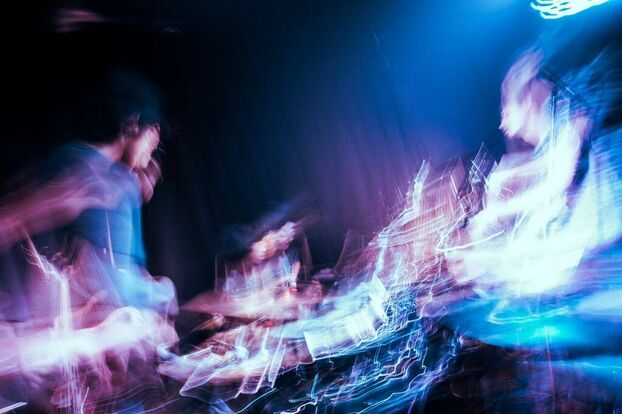
「もともと台北のインディー・シーンでは重要なバンドなんですけど、彼らを中心とするシーンができつつあるんです。フォレストはノイズ~音響系のバンドで、台北インディー・シーンのなかでも先鋭的な音を好むリスナーはみんなフォレスツのことを気に掛けてますね。最近、フォレスツがプロデュースした『noWhere』というフリー・ダウンロードのコンピレーションが出たんですけど、台湾のインディー・バンドが15組ぐらい入っていて、それを聴くと台湾インディーのアンダーグラウンドなバンドはだいたいチェックできます」
――まさにいまの台湾インディー・シーンがわかるわけですね。
「そうですね。フォレスツのうちの2人はサンセット・ローラーコースターというバンドもやっていて、そっちもサイケ~ジャム系の要素が入っていて、めちゃくちゃいいんですよ。2年ぐらい活動を休止していたんですけど、今年に入ってからまた活動するようになって」
――ところで、日本のバンドも台北で頻繁にライヴをやっていますけど、現地のインディー・シーンから一番支持されている日本のアーティストって誰なんですか?
「やっぱり向井(秀徳)さんに憧れてるミュージシャンは多いですね。ナンバーガールの頃から台湾では人気が高いですし、いま30代のインディー・ミュージシャンのなかには〈ナンバーガールが青春〉っていう人も多いと思う」
――透明雑誌なんかモロにそうですもんね。
「そうですね。ナンバーガールの時代から日本の音楽を専門的に紹介するショップがあったし、みんなそういうお店でCDを手に入れていたんでしょうね。あと、椎名林檎の人気はすごいです。台北だと、ちょっとヒリッとしたところがあって叙情的なサウンドがウケるのかもしれない。あんまり〈ハッピーにいこうぜ〉みたいなものは好まれないというか。台北ではポスト・ロックとかシューゲイザーが好まれて、台中とか中部ではメタル、原住民文化に近い南にいくとレゲエが人気という」
――地域によって支持される音楽が違うというわけですね。そもそも寺尾さんが中華圏の文化に関心を持つようになったきっかけは何だったんですか?
「もともとバックパッカーをやっていたので、アジアの文化に関心があったんですね。大学生の頃、北京大学に1か月間語学留学するっていうプログラムがあって、申し込んでみたんです。実際に行ってみたらカルチャー・ショックで……それが2001年頃の話です」
――何がカルチャー・ショックだったんですか?
「インドもカルチャー・ショックだったんですけど、文化圏も違うし、自分とは違うものだということで腑に落ちるものがあった。でも、中国は自分と共通するものが多いのに、まったく違うものもたくさんある。パラレル・ワールドかと思いました。あと、驚くほどにエネルギッシュだったんですよ。街がエネルギーでパンパンに膨れ上がってるという印象があった。学生時代にひとりで台湾に行ったこともあって、そのときは台湾を一周したんですよ。でも、北京の印象があまりに強烈すぎてまったく覚えてない(笑)」
――それが台湾で自分のお店をオープンするまでハマったのはなぜ?
「やっぱり台湾にインディー・シーンが存在するっていうことを知ったことが大きいですよね。しかも日本に近いインディー・シーンがあったという。中国は刺激的なんですけど、シーンというものが見えなかったんですよ。〈台北だったらいろいろできるかもしれない〉と興味を持つようになったんです」
――寺尾さんは〈泰山に遊ぶ〉という中華ダブのバンドもやっていらっしゃいますよね。結成はいつ?
「2004年頃からですかね。中華的要素とレゲエ/ダブを組み合わせて何かできないかなと思って始めたんです。台湾では何度もライヴをやったことがあって、中国でもやりました。台湾は最初からすごくやりやすかったんですよ」
――中国での反応はいかがでした?
「バカウケでしたね。ただ、やらせてもらったのが上海の日本文化紹介イヴェントだったので、親日的な方が多かったとは思いますけど。セカンド・ハンド・ローズっていう中国文化を採り入れた北京の大御所バンドがいて、いつか彼らと会えたらと思っています。やっぱり中国でもっとやっていきたいですね」
――先日、青葉市子さんのアジア・ツアーを企画されましたよね。どのような流れでこのツアーは企画されたんでしょうか。
「青葉さんは過去2回台北でライヴをやってるんですね。最初は透明雑誌でヴォーカルをやってるホン(・シェンハオ)くんが青葉さんを呼びたいということで、アテンドや契約関係で手伝ったんです。2回目は台北の〈月見ル〉で青葉さんのワンマンを企画したんですけど、お客さんも結構入って、反応も良かったんですよ。言語の問題もあって歌モノの海外公演ってなかなか難しくて、インストのほうが全然届きやすいんですけど、青葉さんは言語を越えたところで何かを伝えようという表現をされているので、日本語を理解しない台北の人たちからもいい反応があったんです。これはひょっとしたらアジアの他の国でも行けるんじゃないか?という手応えを感じていたし」
――各都市での反応はいかがでした?
「流石でしたね。しっかり伝わってましたよ。それぞれのオーガイザーの方々ががんばってくれたおかげで、全公演ほぼ大入り。終演後の反応も良かったですし、物販の動きも良かったです。ただ、青葉さんの場合はちょっと特殊だと思いますね。日本のシンガー・ソングライターで言語を越えてあそこまで聴き手を引き込める人ってなかなかいないと思うんですよ。もちろん彼女に続いて日本のシンガー・ソングライターがアジア各都市を廻れる流れを作れたらとは思いますけど、次に誰が行くべきなのかと言われたら、ちょっと悩んじゃいますね。やっぱり日本とは状況が違いますから、日本人だったら誰でもできるというわけじゃないですし」
――今回のツアーで一番大変なことは何でした?
「やっぱり経費の問題はありますよね。日本と比べるとシンガポール以外はどこも物価が安いので、入場料も日本みたいには取れない。実際問題として、ギャランティーだけだとなかなか厳しい面はあるんですね。そこで物販が動いてなんとか補填できるという」
――ただ、向こうの物価を考えたらCDだって決して安くないですよね。
「そうなんですよ。高いことを承知でCDを買いたくなるぐらい青葉さんのライヴが良かったということでもありますよね。あと、東アジアのインディー・シーンにおいては台湾のシーンって多少影響力があって、台湾で話題になると他の都市に情報が伝わっていきやすいというのもあるんです。青葉さんの場合は過去2回やった台湾でのライヴの評価が高かったので、それが中国語になって、各都市の中華系の人たちに広まっていたんですね。実際、今回もバンコク以外はすべて中華系のオーガナイザーで、契約書も中国語でした」
――なるほど。アジア・インディー・シーンのなかにも中華系ネットワークが存在するわけですね。
「そうですね。そのなかでも台湾はバンドも多いですし、インディー・シーンもいち早く成長していたので、アジアのなかでは昔から影響力があるんですね。マレーシアでライヴをやってる台湾のバンドも結構いますし、中国のシーンにも影響力がある。台湾で売れれば、他の国でもある程度の売れ行きが保証されるという」
――そういう意味でも〈月見ル君思フ〉台北店のオープンはすごく意味のあることですよね。
「そうなんですよね。中華圏のマーケットに日本人アーティストの魅力を伝えることができたらと」
――あと、台北に遊びに行く日本人観光客の方もぜひ〈月見ル君思フ〉台北店へ足を運んでいただきたいですね(笑)。
「はい、ぜひお願いします(笑)。いま物販コーナーを広げていて、日本と台湾のインディー・アーティストのCDも扱ってるんですよ。そういう形でも情報発信していけたらと思っています」
今回の記事で紹介したフォレスツとサンセット・ローラーコースターが来日決定! なんとOGRE YOU ASSHOLEとの日台共演!
CITY JIVE in TOKYO
日時/2016年2月19日(金)
会場/青山・月見ル君想フ
出演:OGRE YOU ASSHOLE、フォレスツ、サンセット・ローラーコースター
開場:開演/18:30:19:00
料金/前売り3,000円、当日3,500円(共に1D別)
http://www.moonromantic.com/?p=28374
台北月見ル君想フ
住所/台北市大安區潮州街102號
営業時間/
ランチ:11:30~15:00(14:30 L.O)
ディナー:18:00~23:00(22:30 L.O)
http://www.moonromantic.tw/
SERIES
Real Asian Music Report: The Forefront of Asian Music Told by Hajime Oishi
The Now of the Indie Scene in Taiwan: An Interview with Budha Terao, Manager of Moon Romantic Taiwan
Interviewed and written by: Hajime Oishi
Being involved in numerous music-related writings and known as the radio personality actively sending out Asian information, Hajime Oishi (writer / editor / DJ) who’s been delving deeply into music and cultures around the globe, takes charge of this serial Real Asian Music Report that gets right to the bottom of the present progressive state of each of the local scenes in the bustling and unique neighborhoods across Asia. This time, he decides to take a look at the indie scene in Taiwan.
Here’s the interview by Oishi with Budha Terao, the manager of Moon Romantic Taiwan (music venue & restaurant / café bar) and leader of the band Taizan ni Asobu, who is keeping his close eye on the current status of the local scene that is gaining attention even here in Japan, from the live venue he runs on-scene. by Mikiki staff
November 2015, Japanese singer song-writer Ichiko Aoba set out for her first tour across Asia, closing the whole event in a huge success. The shows were ran in venues across 5 cities and nations, Taipei (Taiwan), Hong Kong, Kuala Lumpur (Malaysia), Singapore and Bangkok (Thailand), and the mastermind behind the whole tour, who acted as the coordinator of the indies acts in the local area of each city, and who ran the whole gamut from planning, producing to attending, was Budha Terao, the very main figure of this story.
Terao can be regarded precisely as one of the key persons of the Asian indie music scene. Originally working as a member staff at Moon Romantic, the music venue in Aoyama of Tokyo, once promoted to the seat of the Manager of the club, he started actively booking artists from all over Asia, -the acts that he had always been strongly interested in. He then takes up the post as a management executive by delinking the club from its parent company in 2013, and in December 2014, he sets his foot in the Taiwanese scene by opening Moon Romantic Taiwan in Taipei.
Terao spends a good two thirds of the month in Taipei, and while he busily shuttles himself between Taiwan and Tokyo, his mind is constantly in seek of a new dimension of the Asian indie scene. We had a chance to sit down and talk with Terao to hear about various topics ranging from the latest trends of the Taiwanese indie scene to the Asian tour of Ichiko Aoba he was recently involved in.
―You opened the Taipei branch of Moon Romantic in December 2014. Tell us the ‘how’s and ‘why’s of opening a branch in Taiwan.
“As we had more and more bands from Taiwan booked at Moon Romantic in Tokyo, I gradually became immersed in everything about Taiwan. I started frequenting Taipei too, and in October of 2013, we threw the first Moon Romantic-hosted event there. We had on the lineup, clammbon from Tokyo (for whom it was the first time to perform in Taiwan) and The Girl and The Robots and Staycool from Taiwan, and the venue was The Wall (live music venue) in Taipei. It was our first time to host an event overseas, and though we felt a whole lot of potential, there were things we could have done a lot better too. We strongly felt the need to have a place that allows us to do what we wanted to, and we thought that if we could secure such a place in Taipei, we should be able to do exciting things in the two locations, -Tokyo and Taipei.”
―Were there any precedents of a Japanese music venue setting up a branch in Taipei?
“No, I don’t think so. So it must have come as a bit of a shock for relevant players in the local area, like “What are these guys planning to do??” But the capacity is only about 150 people standing, and 100 seated, and since it’s more geared towards acoustic play, I don’t think it was that much of an extravaganza opening.”
―I’d assume there would have been various difficulties up till the actual opening.
“For some detailed matters, like the interior or even the waterworks, it was hard to keep the communications going with the local traders. They’re so different from what you’d expect in Japan. Basically, they seem to take everything their own stride (laugh). Each party gave their own tweaks in their own way, so it was hard to keep track of how the original state was at the beginning. I’ve asked other Japanese people running their own store or shop here, and they usually say the same thing. We even say it would end up being cheaper if we brought in vendors from Japan.”
―What kind of area is the venue located in?
“Put it simply, it’s somewhere right between the business district near Taipei Station and the students’ neighbourhood where they have National Taipei University and the National Taiwan Normal University. There’s a bustling street called Yongkang Street, and we’re one lane off that road. It’s an area where they still have a fairly good number of old Japanese establishments remaining from the days of Japanese sovereignty, and some of them have been renovated to cafes. I did look around many areas extensively when I was searching for the place to open our branch, but the area around Yongkang Street was the place close to the universities and had many live music venues. It’s a pretty good environment.”
―Do you have a lot of students as your customers?
“That depends on the event. We’re on a lease contract for the basement and ground floor of the building, and are using the ground floor as the restaurant, and the basement for live performances, but because we’re one street away from the main street, we do also have customers from the older age group. Of course, we also have many young people who have strong interest in Japanese culture and music.”
―Do you have events on a daily basis?
“Currently we only do weekends. There isn’t this culture of casually turning up at a live venue to watch a show or performance on weekdays, here in Taipei. But the performers are pretty wide-ranged, and we do have a good number of artists from Japan too. Latest acts includes Ichiko Aoba, Alfred Beach Sandal, and the zitherist Daikichi Yoshida. We also had a time that Marleys co-performed with Skaraoke from Taipei. We aren’t allowed to play loud sounds at our club, so in the case of Yogee New Waves or never young beach who came to play in Taiwan, we welcomed them to our place to do their after-parties unplugged.”
―How’s the landscape of the live venues (live-music) business in Taipei?
“There was a time about 5 or 6 years ago in Taipei when bands were kind of the in-thing, just about the time local groups like Touming Magazine (透明雜誌) or Skip Skip Ben Ben suddenly hit the scene. Around that time, people in Japan were also talking about how exciting the Taiwan scene was getting, but now, the bands who used to be at the core of the center of the heat have entered their thirties, and the surge of band movements seems to have cooled down. Also, we’re not seeing any upcoming bands from the generation subsequent to Touming Magazine or Skip Skip Ben Ben. I don’t think this applies only to bands here in Taiwan, but usually it’s hard to scrape a living off being in an indie band. In the meantime, your parents demand that you get a job, so it’s a really rare case in Taiwan that anyone would continue their musical activities as an indie musician even in your thirties. And for anyone in their forties, I think they hardly exist.”
―Are there less live venues that indie bands can perform in, compared to 5,6 years ago?”
“There’s a lot to do with the closing down of Underground (地下社會), that was like the landmark of the area, in 2013. There seemed to have been strong complaints from even before, that there were so many people hanging out in front of the club. So one day they got accused for violation of the Fire Defense Law, which was why they were forced to close. The place, however, was a really important place for many of the indie musicians, and a good number of artists who’ve already gone major, are actually ‘graduates’ of Underworld. There’s a new joint in Kuala Lumpur (Malaysia) called Livefact for indie bands to hang out in, but the owner of the place told me that he built the venue, wanting to make a place like Underworld.”
―That’s a sweet story.
“Yeah, it is. It demonstrates how much Underworld had impact on the indie music people of Malaysia.”
―What about younger bands nowadays?
“There’s this one band that became a tremendous craze in 2015, whose members are all students at Taipei National University of the Arts. The name of the band is 草東没有派對 which literally means ‘No Party for Cao Dong’. They are so popular they can easily make a 600 people-capacity music venue like the Wall fully fully-packed, and that, in the indie scene of Taipei, is absolutely extraordinary.”
―Are there any other bands you are personally keeping an eye out for?
“In the 30s age group, older than No Party for Cao Dong, I quite like the 3-piece band called Forests (森林合唱樂團).”
“They had been a band of significance in the indie scene of Taipei from the beginning, but lately there seems to be a new scene arising around them. Forests play noise-ish sound-effecty sounds, and listeners who are particularly fans of sounds with an edge in the Taipei indie music scene are usually checking out the works of Forests. They just released a free-download compilation they produced by themselves called “NoWhere”, and it features about 15 indie bands from Taiwan. It’s a great piece to listen to if you want to keep tabs on the underground bands of Taiwan indie.”
―Seems like a great way to gain insight to the whole picture of the current indie scene in Taiwan.
“Absolutely. Two members from Forests also belong to a band called Sunset Rollercoaster who play this psychedelic, jammy sound, and they are absolutely superb. They were on hiatus for about 2 years, but they’ve resumed playing this year.”
―Many Japanese artists are frequently playing gigs in Taipei. Who do you think is the Japanese artist winning favor the most in the Taipei local indie scene?
“Mukai-san (Shutoku Mukai, main singer and guitarist of rock band, Zazen Boys. Also, former singer and guitarist of disbanded rock band, Number Girl) is a favorite to many of the musicians here. He was already popular in Taiwan from when he was playing in Number Girl, and probably many indie musicians in their 30s would agree that Number Girl was part of their youth.”
―Touming Magazine clearly follows that pattern, don’t they?
“Sure thing. When Number Girl was still around, there were shops specializing on Japanese music, and I think people used to get their hands on CDs at places like those. Oh, and Sheena Ringo is also huge here. I guess in Taipei especially, there’s a slight sense of rawness, perhaps, that makes people develop a taste for lyrical sounds. Like, fly-high happy being something not that preferred. Post-rock or shoegaze seems to be the thing in Taipei, while in the midland like Taichung city, that would be metal. In the case of the southern districts where they have an almost autochthonous culture, it seems like reggae is popular.”
―So basically, it seems like the type of music preferred differs depending on the area. But what is it, at the first place, that got you interested in China zone cultures?
“I used to be a back-packer, and I always had interest in Asian cultures. When I was a college student, I found a month-long overseas study program at Peking University for language studies, which I simply applied for. Once there, I found myself in a total state of cultural shock… We’re talking about around the year 2001.”
―And what was it that you found culturally shocking?
“I experienced cultural shocks in India too, but in the case of India, we know we live in different culture zones, and it was easy for me to swallow things being totally different from where I come from. But with China, it was like having so much in common, but yet also so many things are different. It was like experiencing a parallel world. Also, it was such a powerhouse. It made me feel like the town was swelling and about to burst with all the energy. Since there was a time in university that I travelled to Taiwan by myself, I made a quick trip around Taiwan too, but because the impression I got at Beijing was so strong, I don’t remember anything from that trip to Taiwan (laughs).”
―But you still got deeply absorbed in Taiwan to the extent of opening your own shop? How did that come about?
“I think learning that there was an indie scene here in Taiwan too, played a significant role. Furthermore, it was something very similar to the indie scene in Japan. China was very exciting, but I couldn’t see that there was a scene there. I gradually got into thinking that “I may be able to try many things in Taipei”.”
―You also belong to the Chinese dub band, Taizan ni Asobu (泰山に遊ぶ). When did you form this band?
“Around 2004, I think. I was wondering if I could do anything fun combining Chinese elements with reggae/dub, which is why I started the band. We’ve played numerous times in Taiwan, and we’ve also played live in China. Things were so easy from the very beginning in Taiwan.”
―What was the reaction like in China?
“Absolutely fantastic. Though, it was more like an event held in Shanghai aiming to introduce Japanese culture, so I guess the majority of the audience was pro-Japan anyway. There’s an established band in Beijing called Second Hand Rose (二手玫瑰) who adopts traditional Chinese culture in their music, -I would love to meet them some day. Yes, I would definitely like to play more in China.”
―You recently organized the Asian tour for Ichiko Aoba. How did that come about?
“Aoba-san has played live in Taipei twice in the past. The first time was to fulfill the desire of the main singer of Touming Magazine, Hom (Hom Shenhao, vocals / guitar) to invite Aoba-san to perform at their event, and I was there to help out with the attending and contract signings. Her second time in Taipei was when Moon Romantic organized her one-man show, and the show enjoyed a good number of audience and the reaction was fairly favorable. With possible language barriers, singing performances overseas tends to be deemed something hard to pull off, and usually instrumental acts are more likely to take the title, but Aoba-san’s ways of expression seems to try and deliver something beyond language, which is probably why even non-Japanese speaking Taiwanese people showed favorable responses. I always felt something solid about her that I thought may have the potential of being successful in other countries in Asia too.”
―And how were the responses in the other cities?
“As what I expected. The audience was fully drawn in. Thanks to the hardworking of each organizer, all the shows were close to packed. And the after-show heat was good too, so the quick sale of goods went well too. Though, I must say that Aoba-san is quite a special case. I don’t think there are many Japanese singer song-writers who can engage the listeners beyond language differences as much as she does. Of course it would be great if I can create this flow for Japanese singer song-writers that enables them to make a tour around Asian cities, but if I were asked who could be next, to be honest, I’ll have to struggle to get a name out. I mean, it’s a place that is totally different from Japan, so just simply being Japanese won’t do the trick.”
―What did you find the most painstaking about the tour?
“That would have to be budget controlling. Compared to Japan, prices are low in every city apart from Singapore, so you can’t expect to charge admission like in Japan. But then, practically, you can’t rely solely on appearance fees paid to the artists, so that’s where the sale of goods come in. With that, we managed to cover the overall budget.”
―But considering the prices in those places, CDs must be far from being cheap.
“Exactly. So that shows how well-received Aoba-san’s performance was, -that it even made people want to purchase CDs, knowing that they aren’t cheap. Also, there is the aspect of the Taiwan scene having more or less an impact on the overall indie scene of East Asia. What causes a buzz in Taiwan seems to make its information easily spread to other cities. In the case of Aoba-san, her two shows held in Taiwan earned good reputation, which then was talked about in Chinese, resulting in the story spreading to the Chinese-speaking demographic in each other city. In fact, with the latest tour, apart from Bangkok, each show was taken care of by Chinese-speaking organizers, and the agreements were all written in Chinese too.”
―I see. So I guess there’s a Chinese network within the Asian indie scenes?
“I would say so. And among those in particular, Taiwan has a high number of bands and the indie scene there grew faster than anywhere else, so it’s fair to say that the Taiwanese scene has always carried weight in Asia. Many of the Taiwanese bands are doing shows in Malaysia, and they also have influence on the scene in China. If you sell in Taiwan, you can rest assured that you’d be able to enjoy a certain amount of sales in other countries too.”
―In that sense too, the opening of Moon Romantic Taiwan can be regarded as something of great significance. 。
“Pretty much so. I hope we’d be able to deliver the appeal of Japanese artists to the Chinese market too.”
―And of course, it would be wonderful to have Japanese tourists coming to Taipei to visit Moon Romantic Taiwan, right? (laugh)
“Yes, please! That would be great (laughs). We’re currently working on expanding our product-sales section, and we are carrying CDs of both Japanese and Taiwanese artists. I hope this also serves as a means of sending out interesting information to people out there.”
Taiwanese bands Forests and Sunset Rollercoaster coming to Tokyo! Ogre You Asshole (Japan) shares the stage at this Taiwan-meets-Japan act!
CITY JIVE in TOKYO
Date: Friday, February 19th, 2016
Venue: Moon Romantic (月見ル君想フ) in Aoyama
Bands: Ogre You Asshole, Forests, Sunset Rollercoaster
Door Open / Starts : 18:30 / 19:00
Tickets: [Advance] \3,000, [Door] \3,500 (Minimum one drink purchase also required.)
http://www.moonromantic.com/?p=28374
Also, check out the latest events at the Taiwan branch of Moon Romantic! Moon Romantic Taiwan
http://www.moonromantic.tw/