【Click here for English translation of article】
2016年、大石始のお仕事 ~東京音頭から和製ボサノヴァまで
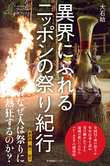
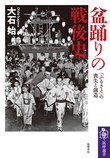
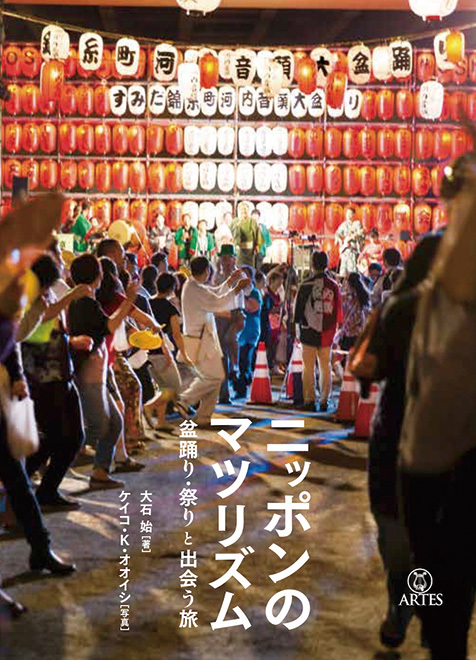
盆踊りが熱い。そして2016年の夏は、大石始が熱い。昨年、“ドドンガドン”のリズムでお馴染みの〈音頭〉の過去~現在を〈東京音頭〉を軸に探った『ニッポン大音頭時代』(河出書房新社)を上梓した大石始。ここ数年の、おそらく東日本大震災を契機とする日本のトラディショナルカルチャー再評価という空気のなか、東京音頭を解剖した大石氏は、日本の「祝祭空間」を巡る冒険へと繰り出し、今年の夏、 その成果が一斉に結実した。ひとつは『ニッポンのマツリズム 盆踊り・祭りと出会う旅』。氏が祭りにハマるきっかけとなった東京の「高円寺阿波踊り」をはじめ、「牛深ハイヤ節(熊本)」「五所川原立佞武多(青森)」 など、西へ東へと奔走しながら各地の熱い祭りをレポート。文献や関係者への取材にもとづいた冷静な分析を加えつつも、興奮や感動を現地で体感したそのままの熱量で描写したエモーショナルな文章は、胸を熱くさせる。


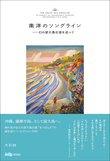
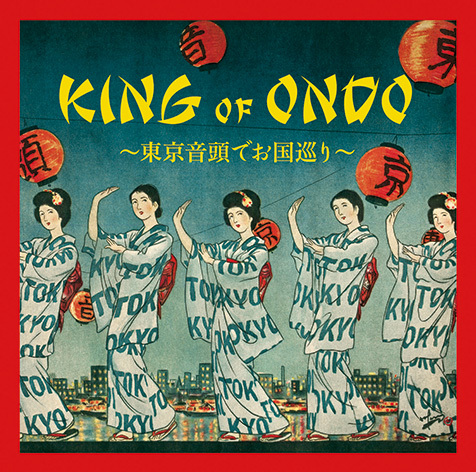
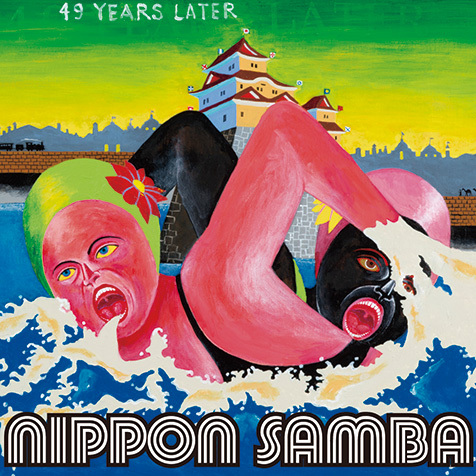
なぜ、祭りは僕らをこんなにも熱狂させるのか。重要なファクターのひとつとなるのが〈音楽〉だ。大石始監修の『KING OF ONDO ~東京音頭でお国巡り~』は、『ニッポン大音頭時代』でフィ―チャーした〈東京音頭〉の古今東西の音源を収録したコンピ。元ネタとなった《鹿児島小原節》 を筆頭に、原曲の《丸ノ内音頭》など、数々のオルタナ・ヴァージョンを収録し、ある意味日本一有名なダンスチューン、〈東京音頭〉の全容を俯瞰できる内容になっている。同時期発売のコンピ『NIPPON SAMBA』は、1960年代以降にブラジルから輸入され、改編され、花開いた和製ボサノヴァ、サンバを収録した作品。本作で大石はライナーノーツを担当し、その魅力を紹介している。
日本神話では、天岩戸にこもったアマテラスオオミカミは、アメノウズメの楽しい踊りにつられ外に出てきて、世界に光が戻ったことになっている。日本人と踊り、音楽、祝祭空間を巡る大石始の冒険はまだまだ続きそうだ。
Hajime Oishi's 2016 work ranges from Tokyo Ondo to
Japanese takes on bossa nova
Written by: Kazuya Ono
Bon Odori is where it's at. And this summer, Hajime Oishi is where it's at. Last year, he published "Nippon Dai-Ondo Jidai (meaning The Greatest Japanese Ondo Era)" for the publisher Kawaide Syobo Shinsya. The book is based around "Tokyo Ondo," exploring the history of ‘ondo’, a traditional Japanese music genre played with a distinct swung rhythm of 'do-don-ga-don.' Recent years have seen the renaissance of Japanese traditional culture, which was seemingly initiated in the wake of the 2011 Tohoku earthquake and tsunami. In the meantime, Oishi analysed "Tokyo Ondo," setting off on a journey to traverse the country's festive moments. And this summer finally marks the culmination of his efforts altogether. "Nippon no Matsuri-thm: Bon-odori/Matsuri to Deau Tabi (meaning The Rhythms of Japanese Festivals: The Journey To Encounter Bon Dance And Regional Festivals)" showcases exciting regional festivities he has scrambled for from the west to the east including Ushibuka Haiya Bushi in Kumamoto, Goshogawara Tachi Neputa in Aomori and Koenji Awa Odori in Tokyo, which represented his foray into the traditional festivities. It's all exciting to read the emotive sentences that capture on-site thrills and sensations with the zeal intact, interpolated with cool-headed analyses based on literature and interviews with people involved.
Why do those festivals drive us so crazy? One of the key factors is the music. For "KING OF ONDO - Tokyo Ondo de Okuni Meguri (meaning The Journey Through The Country With Tokyo Ondo)," Oishi compiles the Tokyo Ondo relatives from all ages and regions he featured on "Nippon Dai-Ondo Jidai." With an array of alternative versions like direct ancestor "Marunouchi Ondo" and "Kagoshima Ohara Bushi," a country song partly covered in "Tokyo Ondo," it clarifies the whole picture of the country's most familiar dance piece. It coincides with "NIPPON SAMBA (meaning Japanese Samba)," another compilation putting together Japanese bossa nova and samba tunes that have acclimatised and come into bloom since the origin's arrival in the '60s from Brazil. Oishi is responsible for the sleeve notes for the compilation, shedding light on the genre's charm.
Legend has it that Amaterasu-ōmikami, the goddess of the sun who hid inside the Ama-no-Iwato, was lured outside for a sensual dance performed by the goddess Ame-no-Uzume-no-Mikoto, bringing light back to the world. It seems like Oishi is going to continue his journey through this vast realm of the Japanese, dance, music and festive moments.