
ミニマルの手法を貫き通して完成させた、6年ぶりの長編アニメーションの仕事
まず、これが久石譲にとって「かぐや姫の物語」以来の長編アニメーションの音楽担当という事実である。宮崎駿、高畑勲との仕事に必要十分な充実を覚えていた作曲者は、なかなか新規の依頼に首を縦に振らなかった。モチベーションの問題だろう。四つに組むに足る作品なのか。作曲家としての自分の才能が本当に必要とされる場なのか。プライドの問題でもある。それだけのハードルを設けるには十分な格闘をスタジオジブリの作品でやってきた。だから、至極当然な要求でもあった。

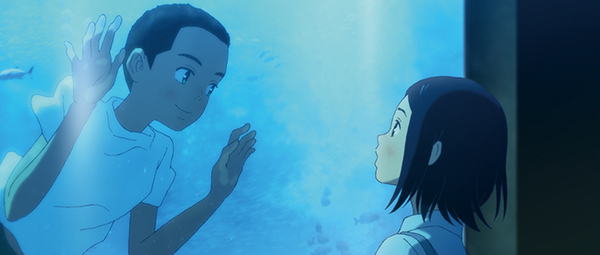
果たして「海獣の子供」の製作陣は久石譲を口説き落とした。その熱意を作曲者は依頼受諾の理由のひとつに挙げている。同時に、この作品の魅力について〈ストーリーが抽象的でよくわからないこと〉と加えた。理解できないからこそ、思考の余地が生まれる。固定された答えがないからこそ、音楽の自由も獲得できる。つまり、手垢のついた方法で登場人物の感情や状況説明をする必要がない。結果、作曲者はこれまでになくミニマル・ミュージックの手法に重きを置くに至った次第である。
若き日から今日まで、ミニマルの手法ほど久石の中で永遠の原石といえる音楽手法はない。いつまでも磨ききることができない。まさに、常に初心に返って取り組むことができる手法。これまでにも、隙あらばミニマルを映像音楽の仕事に持ち込んできた作曲者だったが、近年、これほどまでにそれを徹底させた作例はあったろうか。ここにあるのは劇の伴奏曲=劇伴などではない。独立した意志すら持った音楽語法の極み。それが映像と伴走ならぬ併走を実現している。全く情緒に溺れず、それでいて映像の繊細なひだも臨場感も崩していない。室内楽規模の編成ながらダイナミズムも十分。至芸であろう。ミニマルにこだわり続けた作家だけができる奥義であり、それを正面から受容できる稀な映像作品であった。音色の見事な粒立ちも含め、作家と作品の幸福な出合いがかなった好機として長く記憶していい。
CINEMA INFORMATION
アニメーション映画「海獣の子供」
監督:渡辺歩
原作:五十嵐大介
音楽:久石譲
主題歌:米津玄師「海の幽霊」
声の出演:
芦田愛菜/石橋陽彩/浦上晟周/森崎ウィン/稲垣吾郎/蒼井優/渡辺徹
田中泯/富司純子 他
配給:東宝映像事業部
全国絶賛公開中!
https://www.kaijunokodomo.com/
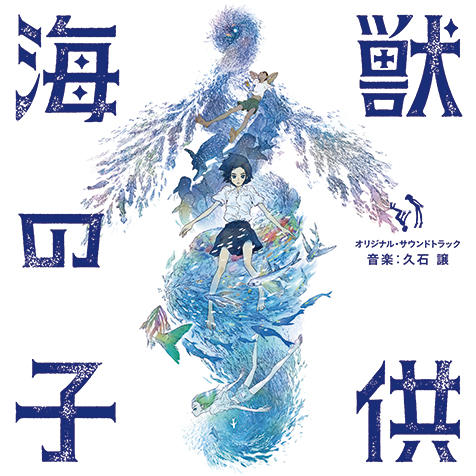
Joe Hisaishi’s Children of the Sea (Original Motion Picture Soundtrack)
The newest film score of Joe Hisaishi completed with method of minimal music.
Text by Takuto Kaku
We should know the fact that this is the first music score for long animation film Jo Hisaishi composed ever since last one, A tale of princess Kaguya. The composer, who had enjoyed culminations by working with Hayao Miyazaki and Isao Takahata, has never accepted new proposals. He may have lost momentum toward new commissions. Quality of the production always is the question to come first. Weather his involvement as the composer can be replaceable, or not comes next, and the list of the questions goes on. Such high standards means a lot to prominent composer, who had accomplished so many beautiful scores for Studio Ghibli. So this is quite understandable.
Joe Hisaishi Children of The Sea (Original Motion Picture Soundtrack) Universal(2019)
Finally, The production team of Children of the sea has succeeded to persuade Joe Hisaishi to accept their offer. The composer himself admitted their enthusiasm was one of the reasons to accept. And another reason for him to go was that the story was abstract enough to activate his imagination.” The more abstract, the more room for the imagination. One fixed interpretation never gives music its own liberty to fly with the plot. That is to say, the composer can flee away from well known methods to depict emotions of each character and situations on the plot. As a result, composer has come up with the idea to employ the method of minimal music.
No other composition technic, except Minimal music has never been familiar with Hisaishi from his youth to now. Minimal music seems to have been perpetual gemstones for him. This music may bring tabula rasa state to him. He was known as the composer who employs elements of minimal music to visual audio works if they allow him to do so. However, I can not think of any other recent works into which the essence of minimal music was thoroughly brought. This music means something else than Back Ground Music for the play. There is an independence, an autonomy of the music achieved by its perfectness. It realizes to render parallel world against the one created by the image. Not much sentimental involvements, the music provokes, and it avoids destroying the presence and details of the visual effect. There is as much dynamics as the chamber ensemble could give. What a skill! This kind of the secrets of skill are only available for the hands of the composer who has deep understanding what is minimal music. And this animation is the work of art which can afford that. I also appreciate beautiful articulation of the tones. We may remember this piece of work blessed by the coincidental meeting with the composer.
Translated by Kazuki Takami (intoxicate)