【Click here for English translation of interview with MURO】
KING OF DIGGIN'が繋ぐ和モノ・グルーヴの世界!
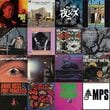
〈現場〉と繋がる底知れないヴァイナルの鉱脈を、指先を真ッ黒に汚しながらディグし続けて30年。海を越え、世代を越えてその名が知られる〈KING OF DIGGIN'〉ことMUROが、昨年秋の『Super Animated Breaks & SFX~30 Years and still counting~』に続いて〈和モノ〉で構成したミックスCD『DIGGIN' JAPANESE POPS MIXED BY MURO』を届けた。ここでミックスされているのは、由紀さおり“こころもち 気まぐれ”(1976年)からラテン・フレイヴァーのミディアム・チューンへとリアレンジされた佐野元春“ヤングブラッズ”の2011年ヴァージョンまでと年代だけ見ると幅広いが、中心は〈70年代後半から80年代中期あたり〉の、J-Popと呼ばれるずっと以前のジャパニーズ・ポップス。


「同時代のアメリカものを掘ってたらここに辿り着いたというか、笠井紀美子さんが入口だったかな。その時代の音楽、特に今回は誰でも知ってるようなメジャーな方ばかりではないので、僕自身もリアルタイムで聴いていなかったアーティストも多いんですよ」。
60年代後期のグループ・サウンズ以降、フォーク、ニュー・ロック、ニューミュージックといった新しいムーヴメントが生まれていくなかで、邦楽ポップスの伴奏はオーケストラからバンドへと主流が変わっていった。その移り変わりのなかでソウル、ファンク、フュージョン、AORなど海外のトレンドを吸収しながらセンスを磨いていったスタジオ・ミュージシャンたちによって豊潤なグルーヴを得たのが、〈その時代〉のジャパニーズ・ポップス。大橋純子、小林泉美、りりィ、桑名晴子、尾崎亜美、水越けいこ、原久美子ほか〈DIGGIN' JAPANESE POPS〉に収められたシンガーのバックでも、土屋昌巳を擁した美乃家セントラル・ステイション、坂本龍一や伊藤銀次も名を連ねるバイ・バイ・セッション・バンド、ティン・パン・アレーなどなど、錚々たるミュージシャンが腕を振るっている。
「レコードを手に入れたときに〈これ、土屋昌巳さんが書いてる!〉とかね、そういう驚きはいっぱいありました。もちろん、自分のレコード箱から抜いて選んだ曲なので、実際に現場でもかけてるし、そのなかでも最近は、笠井紀美子さんの“二人ぼっちのHEAVEN”や亀渕友香さんの“コーヒールンバ”みたいなレゲエっぽいものをよくかけますね。コテコテのレゲエじゃなくてね、リズムの解釈が独特というか、消化しきってないところがむしろ良くって」。
〈その時代〉の和モノがゲンバで頻繁にかかるようになったのは、90年代半ば頃から(95年にオープンした渋谷・Organ bar.が当初、拡散の中心だったかと)。あれからときが経ってシーンもひとまわり以上しているが、昨今のリイシュー事情を見ると、その盛り上がりは新しい世代にも広がり、さらに大きくなっている印象を受ける。
「海外のDJとかも、情報をすごく欲しがってますね。90年代は、海外だと日本語ラップにしても聴いてもらうのが大変だったんですけど、いまは逆に欲してる感じです。デイム・ファンクがやってるブギーのイヴェントに出させてもらったときも、角松敏生さんや吉田美奈子さんの曲で盛り上がったりとか、どこかの国のDJが和モノのエディットを出してたりとか、ここ数年、注目されてる範囲が広がってる感じがしますよ」。
他社音源で続編も期待したい〈DIGGIN' JAPANESE POPS〉だが、今回のリリース元でもまだまだ繋ぎたい音源はいっぱいあるようで。
「エキスプレス・レーベル(アリス、オフコース、寺尾聰など在籍)の音源とか。あと、今回収録する予定だった野口五郎さんは、五郎さんだけでミックスしてみたいですね」。
【Click here for English translation of interview with MURO】
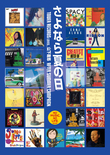
〈DIGGIN' JAPANESE POP〉をリファレンスしつつ、最新リイシューを交えた旬な和モノをほんのちょっとディグってみる
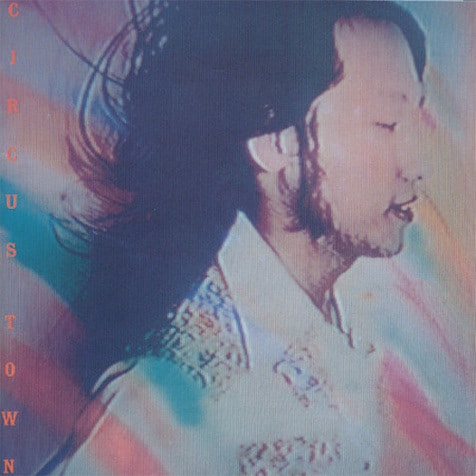
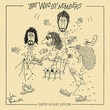
“SPARKLE”を敷いたBOOの“Smile in your face”(2002年)で同じ皿に乗ったMUROとヤマタツだが、それ以前に強い印象を残していたのが、MUROのミックステープ『Diggin' Ice '96』におけるヤマタツ使い。ルーファス“Stop On By”から本作収録“WINDY LADY”への流麗な繋ぎは、ヤマタツ本人も絶賛。
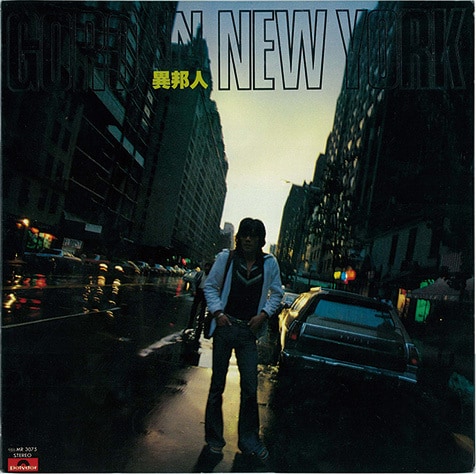
物悲しい純愛ソングで次々とヒット曲を送り出す一方で、贅を尽くした海外録音アルバムを毎年のように記録していったGORO……ゆえに、MUROの「五郎さんだけで……」という発言も頷ける。筒美京平のプロデュースでNY録音となった本作にも、ディスコ・ファンク“マンハッタン・スクランブル”やミディアム・メロウ“傷心スピードウェイ”など使える曲満載。
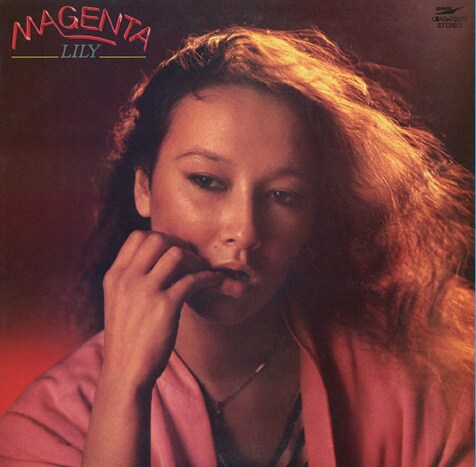
個性的なハスキー・ヴォイスが魅力の〈和製リッキー・リー・ジョーンズ〉。しばらく彼女のバック・バンドを務めていたのは、井上鑑、木田高介、国吉良一らを擁していたバイ・バイ・セッション・バンド。本作でもアーバン・テイストの“ダウンタウンの灯”を幕開けに、ブルージーでメランコリックな彼女の歌声を引き立てるコク深いグルーヴを生み出している。
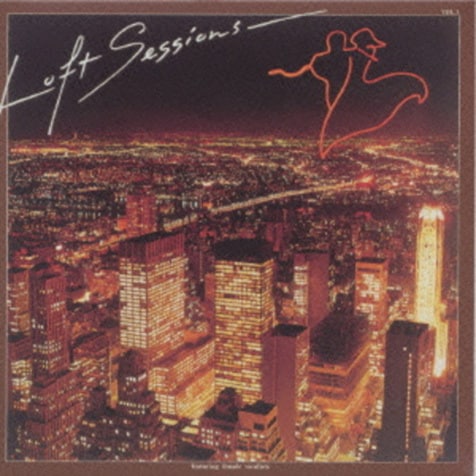
ムーンライダーズ、センチメンタル・シティ・ロマンス、カシオペアらのプレイヤーと新進の女性シンガー――新宿のライヴハウス、LOFTゆかりのミュージシャンたちが集ったスタジオ・セッション。久保田麻琴の楽曲をメロウ・ダンサーに仕立てた上村かをる“星くず”、デビュー前の竹内まりやが歌った鈴木茂の“8分音符の詩”など、眩いグルーヴの宝箱。
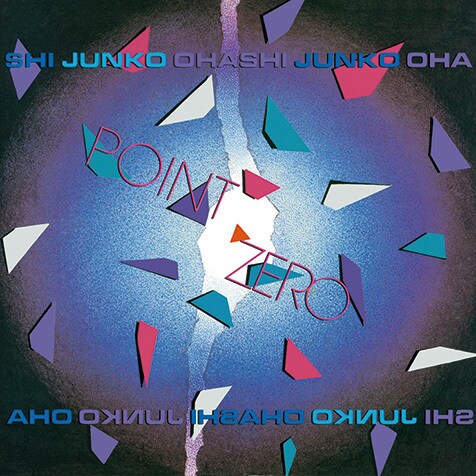
〈DIGGIN' JAPANESE POPS〉でミックスされた“SENSUAL NIGHT”は、サックス・プレイヤーのデヴィッド・サンボーンほか現地ミュージシャンたちがバックを飾ったこのNY録音盤から。大橋といえば、美乃家セントラル・ステイションによる豊潤なグルーヴを湛えた70年代後期の諸作もスタンダード。
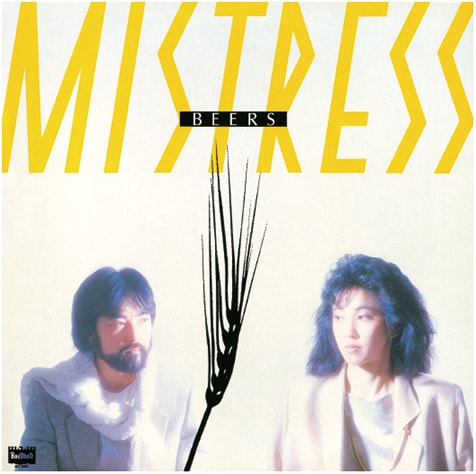
斉藤恵、橋本ヨーコの男女デュオによる唯一のアルバム。達郎バンドで腕を振るっていた椎名和夫や、のちにオメガトライブを手掛ける新川博らがアレンジャー陣として名を連ね、アーバンなディスコ“壊れたワイパー”、レゲエ・テイストの“ラッキー・ストライク・マン”など、シティー・フィーリングに溢れたサウンドを託している。
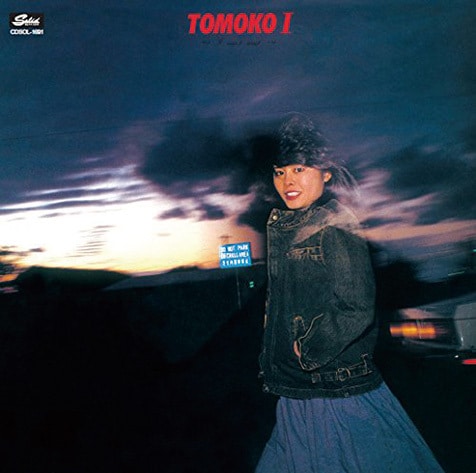
デビュー曲“わたしのハートはストップモーション”の大ヒットから4年。深町純、土方隆行、和田アキラ、富倉安生などフュージョン好きにも刺さるメンツでバックを固め、アーティスト・カラーを一新したアルバム。ダンサブルなメロウ・ナンバー“Whose Who”、和レゲエな“Southern Girl”では、山木秀夫と青山純による貴重なツイン・ドラムも聴ける。
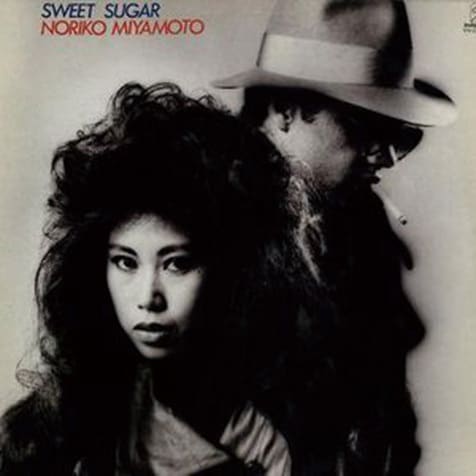
現在もmimiの名で活躍している彼女。本作にはジャズ・ピアニストの本田竹広をはじめ、達郎バンドでもお馴染みの土岐英史、ウエストロード・ブルースバンドの山岸潤史らが参加。冒頭を飾る“Another Lover”やサザンオールスターズのカヴァー“UMI (Suddenly Last Summer)”などは、〈Japanese Boogie〉として海外でも人気の高いナンバー。
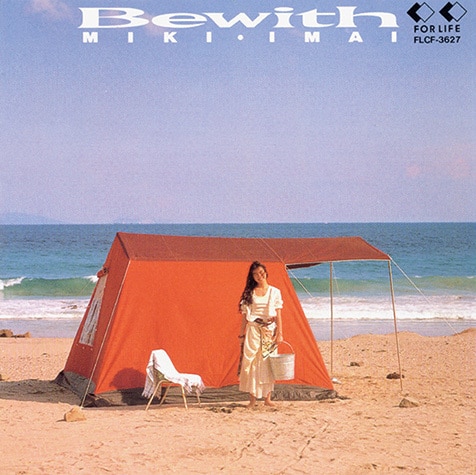
今年、歌手デビュー30周年を迎える彼女。このアルバムがリリースされた年は、SING LIKE TALKINGがデビューするなど、AOR再評価が高まった時期で、本作にもその雰囲気がたっぷりと。スティーリー・ダンさながらのサウンドを聴かせる“今日 私はひとり”をはじめ、歌声の隙間を流れるように駆け抜ける今剛のギターがなんともロマンティック。
MURO "DIGGIN' JAPANESE POPS MIXED BY MURO"
Interviewed and written by: Taihei Kubota

The world of Japanese grooves united by the KING OF DIGGIN'!
For the past 30 years, with his hands all dark and dusty, he has continued digging into the never-ending seam of vinyl that connects directly with [the scene]. MURO has been known as the [KING OF DIGGIN'] across the seas and across generations, and following “Super Animated Breaks & SFX~30 Years and still counting~” released last autumn, he has now newly released “DIGGIN' JAPANESE POPS MIXED BY MURO”, a mix CD compiled only with [things Japanese]. Included on this mix are mainly the Japanese pop tunes that were already there even before there was the term ‘J-Pop’, such as “Kokoromochi Kimagure (meaning Slightly Caprice)” (1976) by Saori Yuki (singer and actress) or the 2011 re-recorded version of (vocalist and guitarist) Motoharu Sano’s “Young Bloods” that was rearranged into a latin-flavored medium tune. At a glance it may seem like it covers a wide range of dates, but actually the majority are the Japanese pop tunes mainly from the late late-70s to the mid-80s, -the tunes that were there long before anything was called ‘J-Pop’.
“I was digging around things American from the same era, and ended up here,” explains MURO. “I think music of Kimiko Kasai (ex-jazz singer) served as the entrance for me. The music of those times, especially the numbers I picked for the album, are not by major artists known by anyone and everyone, and many of the artists are those I wasn’t there to hear real-time myself.”
From the group sounds* wave in late-60s onward, various movements emerged newly in Japan, such as folk, new-rock or new-music, and the mainstream of accompaniment for Japanese pops shifted from orchestra to bands. And during that transition, it was the Japanese pops ‘of that very time’ that acquired the rich and mellow grooves with the helping hands of the studio musicians of the time who were polishing up their by senses by absorbing international trends of soul, funk, fusion or AOR styles. A string of experienced singers or singer-songwriters are featured in this “DIGGIN' JAPANESE POPS”, such as Junko Ohashi, Izumi Kobayashi, Lily, Haruko Kuwana, Ami Ozaki, Keiko Mizukoshi or Kumiko Hara, but coming neck and neck with the singers are the also powerhouse musicians playing in the back that include the band Minoya Central Station to which producer/guitarist Masami Tsuchiya belongs to, By-By Session Band that even high-profile artists Ryuichi Sakamoto (producer/musician) or Ginji Ito have their names listed under, or Tin Pan Alley led by Haruomi Hosono (producer/musician).
*Group sounds: a specific trend of Japanese musicians during the 60s playing beat music in groups that usually featured a lead vocalist and electrical guitars
MURO recalls, “When I got my hands on the records, there were so many happy discoveries, like ‘Wow, Masami Tsuchiya wrote this!’ and things of the sort. Of course, they were songs I chose from my own records collection myself, and I had been playing them at my shows already, but among those in particular, I’ve been playing a lot of reggae-ish tunes, like “Futari-bocchi no HEAVEN (meaning Heaven for the Two of Us Alone”) by Kimiko Kasai or “Coffee Rumba” by Yuka Kamebuchi (jazz singer/composer). Mind you, not the heavily reggae-reggae type reggae. The way those tunes have their own unique interpretation of rhythms, or should I say, the way they haven’t really digested them, is rather interesting to me.”
And it was from around the mid-90s that those [things Japanese] ‘of that very time’ started to get played heavily at the scene. (The Organ bar that opened in Shibuya in ’95 acted as the center of spreading the trend, seemingly.) The scene has gone through more than a dozen of years since then, but witnessing the latest state of affairs of re-issues nowadays, the momentum seems to have reached the newer generations, and seems most likely to gain further traction.
“Many DJs overseas are looking for more information,” says MURO. “The 90s was a hard time to have foreign people listen to Japanese music, such as Japanese rap, but now, it seems like it’s something sought for. I had the pleasure of playing at a boogie event by Dam Funk, and I saw how the party would really warm up to songs by singers like Toshiki Kadomatsu or Minako Yoshida. DJs in foreign countries are also putting out edits of Japanese tunes, so I do feel that the scope of attention has been spreading steadily over the past several years.”
How delightful it would be to see a sequel of “DIGGIN' JAPANESE POPS” using materials listed under other companies too, but it seems like there’s still so much more for him left to work on to ‘unite’ sounds.
“Like sound materials of the Express Label (that lists big name artists such as Alice, Off Course or singer Akira Terao), -those would be nice. Also, for Goro Noguchi who we were hoping to include in this album, it would be great if we could do the mixes of only his songs some time.”