【Click here for English translation of article】

最も初期に作られたシンセサイザー作品となる、貴重な音源“銀河鉄道の夜”も収録!
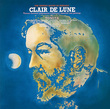
2011年以降〈ISAO TOMITA PROJECT〉として『惑星』『月の光』『源氏物語』など、過去発表した作品をリメイク、サラウンド化した完全版がコロムビアよりリリースされているが、また1つ傾聴すべきラインナップが加わった。


本作はデビューアルバム『月の光』よりも以前に制作されていたという、ファンの間でも語り草となる幻の楽曲“銀河鉄道の夜”を収録している。
後のシンセサイザーの魔術師たる熟達の音色やアレンジに比べると、この楽曲のある種無骨で、朴訥とした音響は冨田のヘビーリスナーも驚かれる事だろう。この作品は1972年に発行された「世界子供百科」の付録のピクチャーレコード『音楽ってたのしいな』に収録されていたモノラル作品で、MOOGを購入(当時の価格で1000万円!)して間もない時期の楽曲に当たり、初期冨田サウンドが聴ける点で今回のアルバムの1つのハイライトと言える。
表題曲“オホーツク幻想”は元は〈ある惑星からのメッセージ〉というタイトルで、美術展〈イレーヌ・メイヤーの世界〉のために制作された楽曲。冨田はこの楽曲を宮澤賢治の「銀河鉄道の夜」をイメージして作ったという。
そして、アルバムの中心を占めるラヴェルの作品群は1979年に発表された7枚目のアルバム『ダフニスとクロエ』(オムニバス形式によるアルバム制作を止め、1人の作曲家で構成する初期のスタイルに戻った作品)からの楽曲を収録している。
ROLANDのシーケンサーMC-8を導入する事で大幅に広がった自由度を遺憾なく発揮した、当時のシンセサイザーの扱いの困難さという前提を忘れたとしても、改めてその豊穣なサウンドパレットと、アイデアに溢れたオーケストレーションには今の耳でも圧倒される。“亡き王女のためのパヴァーヌ”での天から降ってきた様なオルガンを思わせる音から、ストリングスの抑揚、煌びやかな音の装飾は、シンセサイザーを知り尽くした冨田の表現力の凄みを改めて感じさせてくれる。
本作の構成は「銀河鉄道の夜」からインスピレーションを受けた“オホーツク幻想”(1996年)に始まり、ラヴェルの作品群(1979年)を間に挟み、また『月の光』以前の初期作品“銀河鉄道の夜”(1972年)に帰っていくという、時代的にも、冨田自身の音色パレットの変化も大きく差がある楽曲のオムニバスになっているが、不思議と統一感やアルバムを通して非常に映像を喚起させる物語性があり、またその冨田の獲得していった音響技術と音楽宇宙を描くその手腕の変化を存分に楽しめる構成となっている。
冨田は少年時代より宮澤賢治に共感を寄せていたと言うが、本作収録作以外に近年にも宮澤賢治を題材とした『イーハトーヴ交響曲』(平成25年度文化庁芸術祭参加作品)を発表している。この作品は初音ミクをソリストに起用し、コンサートではヴァーチャルミクが歌い踊るという衝撃的な作品で、様々なシーンより大きな話題を呼んだ。
また、日本テクノ界の始祖としても崇められる冨田は〈FREEDOMMUNE 0〉の大トリをつとめる事で、若い世代にもその存在を知らしめた。そして、記臆に新しいところでは「タモリ倶楽部」に冨田勲の一番弟子でもある松武秀樹と共に出演し、その飄々とした振る舞いがネットでも話題となった。今回はジャケットワークを宇川直宏が手掛けており、宇川自身DOMMUNEやインタヴュー、対談などの機会を多く持っており、その事も新たな冨田のリスナーを獲得する動きに連動している。
〈世界のトミタ〉という揺るぎなき看板を持ちながら、齢80を超えている事が信じられない程の、溢れんばかりの創造性と柔軟性を私たちに示唆し続ける冨田勲の偉大なる仕事の数々。同時代にリアルタイムで体験出来る機会が持てる事に感謝したい。
*From Mikiki
This article was originally published in the magazine [intoxicate Vol.121 (2/20 issue)].
All at Mikiki extends our deepest condolences to the family of Isao Tomita who died from heart failure on May 5th, 2016, at the age of 84.
Isao Tomita’s Okhotsk Fantasy
Written by: Toshihiro Ikeda
A review on the latest collection of past works including the rare sound material of “Night on the Galactic Railroad” ― one of his earliest works composed on the synthesizer!
Added to the remade, surround sound-enabled and complete editions of his past works such as The Planets, Snowflakes Are Dancing or The Tale of Genji, released from Nippon Colombia under the “Isao Tomita Project” that started 2011, the new release means that another masterpiece that will not seize to fascinate us has been added to the lineup.
The latest release satisfyingly includes the legendary piece “Night on the Galactic Railroad” that is said to have been recorded even prior to his debut album Snowflakes Are Dancing, that until today, remains to be a talk-evoking topic amongst fans.
His later sounds or arrangements assume the proficiency of a ‘magician of synthesizer’, but compared to those, the acousmato in “Night on the Galactic Railroad” comes out possibly surprisingly to even Tomita’s heavy listeners with its certain ruggedness and unsophisticatedness. The piece was a monaural recording on the picture disc “Ongakutte Tanoshiina” (meaning Music is Fun) that came as a supplement to the 1972 issue of Sekai Kodomo Hyakka (eng. The Young Children’s Encyclopedia), and was one of the earliest tracks recorded immediately after his obtainment of the Moog (which, by the way, cost a whopping 10 million JPY back in those days!!). It provides for a great listen to Tomita’s earliest sounds, and is undoubtedly one of the greatest highlights of this latest album.
The title track “Okhotsk Fantasy” was originally titled “Message from a Planet”, and was a piece written specifically for the art exhibit “The World of Ilene Meyer”. Tomita is heard explaining that the piece was composed, picturing the fantasy novel by Japanese poet / author, Kenji Miyazawa’s “Night on the Galactic Railroad”.
The Ravel titles that occupy the central position of the album are selected from his 7th album released in 1979, Daphnis et Chloé (, a piece in which he returns to his earliest style of production with one single composer being in charge of the whole composition, rather than the other style of producing the album in an omnibus form.)
Even putting aside the difficulty back then of handling a synthesizer that was able to be enjoyed of its extended scope only by hooking up the ROLAND MC80 sequencer, the lush sound palette and orchestration brimming with ideas are still immensely impressive to the ear today. Ranging from sounds that evoke the tunes of an organ played from high above as in “Pavane Pour Une Infante Défunte”, to the cadence of the strings or the flowery ornamentation of sounds, the album would remind anyone of the patina of the expressional capacity of Tomita who knows the synthesizer inside out.
The album opens with “Okhotsk Fantasy” (1996) which is said to have been inspired by Night on the Galactic Railroad, places the Ravel numbers (1979) midway, and then closes the album by going back to an early work, “Night on the Galaxy Railroad” that was composed even before Snowflakes Are Dancing. This flow allows for a dramatic change in terms of both times of the creations as well as the sounds played from Tomita’s played from his sonic palette, though the entire omnibus wonderfully retains a sense of consistency together with deep narrativity evocative of visual images throughout the album. Also, the entire piece is well planned out, allowing the listener to fully enjoy the audio technologies Tomita acquired, alongside the development of his caliber.
Tomita is said to have felt sympathy to the works of Kenji Miyazawa from his childhood, and apart from the piece recorded in this latest album, recently he has also published Symphony Ihatov (that became an entry for Agency for Cultural Affairs Art Festival Prize of 2013), that was based on the works of Miyazawa. The symphony features Hatsune Miku, Japan’s first ever vocaloid character, and is quite an impactful creation that sees a ‘virtual Miku’ singing and dancing on stage when the piece is performed at concerts, unsurprisingly garnering heavy attention at various scenes.
Tomita is also admired as the founder of the Japanese techno music domain, and made his name widely known to the younger generations by headlining the charge-free festival, “FREEDOMMUNE 0”, organized by the live-streaming channel / media platform, DOMMUNE. Fresher in our minds would be his appearance on the late-night show Tamori Club hosted by famous comedian Tamori, accompanying Hideki Matsutake, composer and computer programmer and no.1 disciple to Tomita. His pleasantly easygoing demeanor became an internet buzz for a while after the program. The cover art of this album was done by Naohiro Ukawa, the graphic designer and representative of the said DOMMUNE platform, and the exposure via DOMMUNE as well as the numerous opportunities to spread the news via interviews or talks held by Ukawa himself has exerted traction on Tomita’s newly gaining an even wider audience.
Though having established the unchallenged position as ‘Tomita of the world’, Isao Tomita strives to deliver us with brimming creativity and flexibility with his vast number of masterpieces, making it so hard for one to believe that he is a man living beyond the age of 80. What more can I be grateful for than being able to experience his works real time living in the same era?