【Click here for English translation of article】
エリマージ『Conflict Of A Man』(2012年)、デリック・ホッジ『Live Today』(2013年)、クリスチャン・スコット『Stretch Music』(2015年)、エスペランサ・スポルディング『Emily D+Evolution』(2016年)、黒田卓也『Zigzagger』(同)など、現代ジャズにおける近年の注目作でたびたび名前を見かけるのがコーリー・キングだ。〈コーリーの代わりなんていない〉と黒田もインタヴューで語るなどトロンボーン奏者として圧倒的な実力を誇る彼は、同時にメロウな歌声の持ち主でもある。最近はヴォーカル/コーラスや作/編曲、鍵盤奏者としてクレジットされる機会も目立つようになるなど、只者ではない予感が漂っていた。
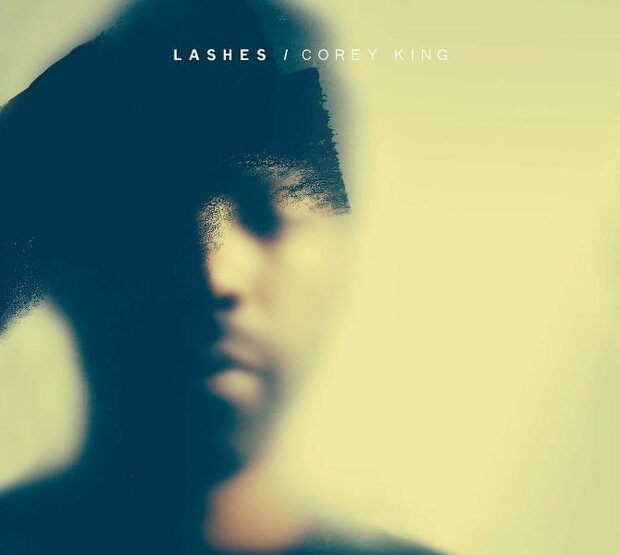
そんなコーリーの初ソロ作『Lashes』は、彼のアナザー・サイドだけで形成されたような一枚だ。ここではトロンボーンを一切吹いてないし、近年のトレンドであるネオ・ソウル/ヒップホップのフィーリングも皆無。ヴォーカルとシンセ、プログラミングと多重録音を駆使しつつ、ロック的なセンスを兼ね備えたジャズ・ミュージシャンによる演奏を活かすことで、エフェクティヴな音響と生々しく肉体的なサウンドを両立させている。退廃的で色気を感じさせる楽曲は、エスペランサやクリスチャン・スコットが提示した〈ジャズ・サイドからのロック的なアプローチ〉をより大胆に推し進めたものと言えるだろう。
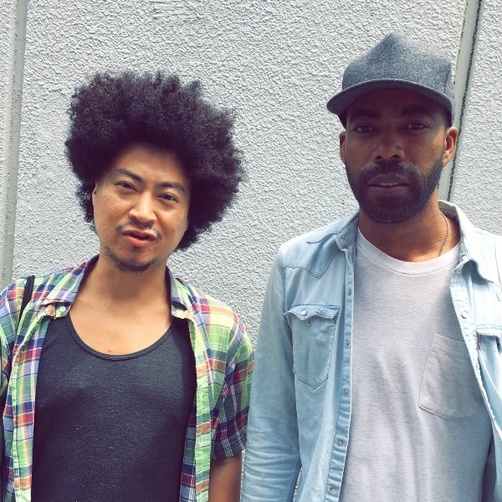
今回は、去る8月に開催されたJUJU × 黒田卓也の共演ライヴのために来日していたコーリーにインタヴューを実施。彼のキャリアを改めて辿りつつ、『Lashes』の制作背景と独自の音楽観に迫った。さらに取材現場には、大親友の黒田も同席。その微笑ましい掛け合いからも2人の絆が窺えるはずだ。

初めてツアーの仕事を紹介してくれたのはグラスパーだった
――子供の頃に、トロンボーンから音楽を始めたらしいですね。
コーリー・キング「そうだね、12歳の頃から。最初はクラシックをやっていたんだ。歌いはじめたのはもっと早くて、5歳くらいから教会の合唱隊で歌ったりしてたよ。それにクラシックの教育を受けていたから、譜面を読んだりもできたんだよね。だから、とにかく何か楽器をやってみたくて。そんなときに中学校の頃に学校のバンドで監督をやっていた先生から〈トロンボーンをやれ〉って言われたんだ。それがきっかけだね」
――ジャズはヒューストンのパフォーミング・アーツ系の高校で始めたんですね。
コーリー「うん、15歳のときだね。夏に高校に入ってから、本格的にジャズを始めたんだ」
――ロバート・グラスパーやクリス・デイヴと同じ学校だったんですよね。同級生にはどんな人がいました?
コーリー「同級生だとジャマイア・ウィリアムズかな。あとは、自分よりちょっと年上だけどアラン・ハンプトン※とも仲良しだよ」
※ジャマイア・ウィリアムズはコーリーも在籍するバンド、エリマージのリーダー/ドラマー。アラン・ハンプトンはシンガー・ソングライター的なリーダー作を発表しているベーシスト。この2人は『Lashes』にも参加している
――じゃあ『Lashes』は、高校時代からの仲間と一緒に作った感じでもあるんですね。その頃によく聴いていた音楽は?
コーリー「ロックやクラシックなど、ジャズ以外の音楽もたくさん聴いていたよ。高校に入る前はニルヴァーナやレディオヘッド、ジャズだとウィントン&ブランフォードのマルサリス兄弟をよく聴いてたね。高校はヴィジュアル・アーツ系だったから、ミュージシャンじゃない人たちも結構いて、ペインター志望の子が歌ったり、歌手の子が演劇をやったりしていた。自分も当時から歌っていたので、いろんなメディアの要素をミックスするということを、その頃からよくやっていたよ。だから、ジャズ自体は演奏していたけど、トラディショナルなジャズを追求するという感じではなかった」
――好きだったり、参考にしていたトロンボーン奏者は誰ですか?
コーリー「高校生の頃、手本にしていたのはJ・J・ジョンソン※。彼は歌うようにプレイするよね。さっきも話したように、僕自身もヴォーカリストだからそういう奏法に惹かれたんだ」
※1924年生まれで、ビバップ創世記から約60年間に渡って第一人者であり続けたトロンボーン奏者。2011年死去
――そこから、2004年にNYのニュースクール大学に入学したんですよね。黒田さんと一緒にやるようになったのはその頃からですか?
コーリー「そう、タクヤとはその頃からの友達だね」
――言える範囲で大丈夫なので、黒田さんとのエピソードを教えてもらえますか。
コーリー「たくさんありすぎるよ(笑)。NYでもしょっちゅうつるんでるし。タクヤの家は、自分の別荘みたいなものだからね」
黒田卓也「ブルックリンにある僕の家は、もう遊び場ですね。コーリーだけじゃなくて、僕やコーリーのミュージック・ビデオを作ってくれた日本人の映像作家(Ryosuke Tanzawa)や、写真を撮ってくれる人とかもよく来るんですよ。みんな音楽好きだから、iPhoneを(ステレオに)繋いで、好きな曲を流しながら呑むんです。まぁ、文化交流の場ですね。そこの2人がエキシビションとかアートの話をしている隣で、別の2人がゴリゴリなヒップホップの新作について語り、こっちでは料理の話を……みたいな感じで、カルチャーがずっと交錯している。NYに来てから12年間くらい、ずっとそんな感じですよ」
――それは賑やかそう。ニュースクール時代の印象的なエピソードはありますか?
コーリー「大学生の頃には、ミュージシャンとしてツアーを回っていたんだよね。実は、僕に初めてツアーの仕事を紹介してくれたのはグラスパーで、19歳の頃にはローリン・ヒルと一緒に仕事しているしね」
――そうだったんですか!
コーリー「その頃で一番記憶に残ってるのは、ギル・スコット・ヘロンとの活動だね。特にカーネギー・ホールで開催されたコンサートは印象的だったな。ギルとの活動は、人生のハイライトみたいな時期だったと思うよ。その後すぐにギルが(2011年に)亡くなったことで、残念な意味でもスペシャルな経験になってしまったけどね。ギルはものすごい多作家で、そのすべてが詩情に溢れていた。それに周囲に対してもフレンドリーで、調和の取れた雰囲気を作り出すことができる人だったんだ。彼は特定のスタイルを追求するというよりも、いろんなスタイルを取り込むスタイルのアーティストと一緒にいたから、彼自身や周りのミュージシャンからは大きな影響を受けたものだよ。そういう意味では、グラスパーも同じように影響を受けたアーティストだと言えるね」
――ギルと共演するようになったきっかけは?
コーリー「モス・デフがギルと共演したのがきっかけだったと思う。その時に僕はモス・デフのバンドで演奏していて、それをギルが気に入ってくれたみたいだね」
――ローリン・ヒルとはどのように出会ったんですか?
コーリー「奇妙なきっかけだったよ。トランペッターで友人のレロン・トーマス※に〈ローリン・ヒルのリハーサルがあるから付き合ってくれないか〉と誘われて、なぜか僕もリハで演奏することになったんだ。それで帰ったあとに音楽監督から電話があって、〈バンドに入ってくれないか〉と言われてね。実際はリハーサルではなく、オーディションだったことを後で知ったんだ(笑)」
※コーリーと同じくニュースクール大学出身のトランぺッター兼コンポーザー。2014年のリーダー作『Whatever』にはマシュー・スティーヴンスやテイラー・アイグスティ、エリック・ハーランドが参加
――あとはオルガン・ジャズの巨匠、ドクター・ロニー・スミスとも活動してますよね。彼のビッグバンドで音楽監督を務めていたそうですけど。
コーリー「それも楽しかったし、素晴らしい経験だったよ。ただ、ロニー・スミスは譜面を元に演奏する人じゃなくて、耳だけでやるタイプでね。彼の意図を汲みつつ、15人くらいのバンド・メンバーに指示を出して音楽を作るというのは、あまりにチャレンジングというか……ほとんど無茶だったね(苦笑)」
コーリーはアプローチの仕方からして違う
――黒田さんから見て、大学時代のコーリーはどんな感じでした?
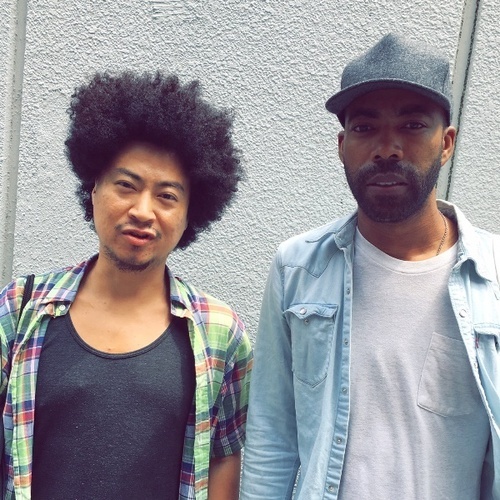
黒田「学年は僕の1つ下なんですけど、すごいヤツが入ってきたと思いましたね。トロンボーンってどうしても大味になりがちなんですよ。ニューオーリンズっぽかったり、ブルージーで大きなフレーズを、顔を真っ赤にしながらデカイ音で吹いて喜んでる人が多いですけど、コーリーは全然そんなことはしない。すごく難しい曲も、平気な顔でスラスラスラ~っと吹くんです。もう大型ルーキーでしたね」
――プロ・ミュージシャンを見回しても、コーリーはかなり上手い部類ですよね。
黒田「アプローチの仕方がもう……、全然違いますよね。コーリーは誰かをめざしたり、手本にした人がいたのかも知れないけど、僕には〈誰っぽい〉とかもわからないし、彼の演奏は唯一無二ですね。代わりはいないですよ」
――コーリーはそういう個性的な奏法を見つけるために、どんなことを意識してきました?
コーリー「トロンボーンだということはあまり意識しないで、他の楽器におけるプレイをどんどん採り入れるようにした。例えば、ジョー・ヘンダーソン※が好きだから、彼のサックスみたいに演奏してみたりとか。といっても、ジョー・ヘンダーソンのサックス的な演奏とJ・J・ジョンソン風のトロンボーンを(ひとりで)同時にプレイするのは不可能なわけでさ。だから、そこは試行錯誤しながら自分独自のやり方を見つけるしかない。それは常に意識してやっているよ」
※ウェイン・ショーターと共に60年代の新主流派を代表する、1937年生まれのテナー・サックス奏者。2001年死去
――そうやって別の楽器から置き換えようにも、トロンボーンは演奏するのが特に不自由な楽器だと思うんですけど。
コーリー「難しい楽器ではあっても、いろんなことを試していけば、それなりに方法は見つかるし問題は解決するものだよ」
――簡単に言うなぁ(笑)。ジョー・ヘンダーソンの話が出ましたけど、管楽器以外のプレイを採り入れたりもしました?
コーリー「うん、もちろん。サラ・ヴォーンは節回しが素晴らしいだけじゃなくて、ハーモニーに関する知識があったので、スキャットをするときも音の選び方がすごく興味深いんだ。だから、僕はサラが好きで何度も聴いて研究したよ」
――逆にコーリーから見て、黒田さんはミュージシャンとしてどんなところが優れていると思いますか?
コーリー「作曲家として、かな。自分が曲を作るときにすごく意識している作曲家のひとりだね」
黒田「(財布を取り出して)1万円、ワンモア」
コーリー「じゃあ、もう少しだけ(笑)。作曲家としてメロディーも良いし、コード進行も素晴らしいし、そういうところをリスペクトしているよ。彼の音楽に関しては、聴き手を温かく受け入れてくれそうな、開放的な部分が好きだね。アーティストによっては分厚い壁を築いて、そこを乗り越えてくるのを期待するような音楽を書く人もいるけど、タクヤの音楽はそういうものではない。本当に誰でも受け入れられる、誰でも歓迎しそうな音楽――でも、そのなかではすごく複雑なことが起こっているのもいいよね。もちろん、トランペット・プレイヤーとして最高なのは言うまでもないし」
アルバムを作り始めたときはアトムス・フォー・ピース漬けだった
――トロンボーンだけでなく、作/編曲家としてもいろんなアーティストに携わってますよね。自分で曲を書きはじめたのはいつ頃からですか?
コーリー「楽器のためにパートを書いたり、そういう意味での作曲を本格的に始めたのは大学時代から。最初はモダン・ジャズの曲って感じだったね。ビッグバンドよりは小さい編成のアンサンブルのために作曲するようになって。僕自身は凝ったハーモニーやコード進行を考えるのが好きで、その上に綺麗で美しかったり、ファニーだったりするメロディーを乗せることに挑戦してきたよ」
――今回のアルバム『Lashes』以前にも、エスペランサやエリマージなど、いろんなところで歌モノの曲を共作しているじゃないですか。どんな楽器を使って作曲しているんですか?
コーリー「キーボードやピアノだね」
――プログラミングも自分でするんですか?
コーリー「そうだね。アイデアや曲の形式/構成をキーボードを弾きながら練って、固まってきたらコンピューターで具体的なパートを考えながら打ち込んでいくという流れだね」
――じゃあ、サンプラーでビートを作ったりも?
コーリー「もちろん」
――『Lashes』にはエレクトロニックな音もたくさん入っているし、多重録音も駆使しつつ、音響的な部分にかなり気配りされてますよね。
コーリー「アルバムを作るにあたって、自分が一番聴きたいものを作ろうと思ったんだ。それで声とハーモニー、それからアトモスフィア(空気感)はアルバムを通して一定に保ちたかった。そのうえで、例えばドラムでもヘヴィーなものがあったり、ちょっと軽めなものがあったりと、いろんなヴァリエーションを付けていったら、最終的にこんなアルバムになったという感じだね」
――あとは最初に聴いたとき、とてもロックなサウンドだと思いました。
コーリー「確かに、ギターが全面に出てドライヴ感のある作りになっているからね。特に(収録曲のうち)3曲くらいはロックのフィーリングが強い曲になったかもしれない」
――このアルバムの制作にあたって、インスパイアされた音楽はありますか?
コーリー「トム・ヨークのソロ作『The Eraser』(2006年)とアトムス・フォー・ピースだね。あとはブライアン・イーノの大ファンだし、最近だとボノボが好きだから、そういった要素もあるんじゃないかな。そんな感じで、いろんなところから要素をピックアップして、ひとつにまとめたものが自分の音楽だと思う」
――なるほど。
コーリー「ただ、ハーモニーに関してはジャズの影響が大きいね。さっきも話したように、僕は凝ったハーモニーを作るのが好きだから。ソロのバッキングもそうかもしれないし、ギター・ソロにもかなりジャズっぽさがある気がする」
――この『Lashes』でギターを弾いているマシュー・スティーヴンスは、自分のリーダー作『Woodwork』(2015年)でもジャズとロックの中間のようなフィーリングを出してましたよね。
コーリー「そうそう。だからギターは、ジャズっぽい環境のなかでソロを取っているような感じが出ているんじゃないかな」
――〈ハーモニーを作るのが好き〉と何度も強調していますけど、例えばどういうハーモニーが好きなんですか?
コーリー「基本的に暗いハーモニーだね。ちょっと不気味な感じもするけど美しい、そういうハーモニーが好きなんだ。参考にしているのはモーリス・ラヴェルやエリック・サティといった人で、ジョー・ヘンダーソンのハーモニーも神秘的で美しい部分があるから好きなんだ」
――ダークでミステリアスで美しい、というのもレディオヘッドっぽいというか。
コーリー「そうだね。そういうを聴いて育ってきたから、自分の構成要素のひとつであるのは間違いない」
――でも、さっきの話だとレディオヘッドというよりはアトムス・フォー・ピースが大きかったんですよね?
コーリー「このアルバムを作りはじめたときに、たまたまアトムス・フォー・ピース漬けになっていたんだよ。電車に乗るときも車を運転するときも、ずっとアルバムを聴きまくっていた。ダンスの要素にロックの要素、それからプログラミングの手法まで、このアルバムを作りはじめた頃にあらゆる点で影響を受けていた気がする」
――アトムス・フォー・ピースの『Amok』がリリースされたのが2013年ですよね。『Lashes』を作りはじめたのもそのくらいから?
コーリー「うん、曲を書きはじめたのが2013年の終わり頃かな。その翌年に曲を絞っていって、2014年~2015年にかけてレコーディングの作業を進めていった感じだね」
――アトムス・フォー・ピースはレディオヘッド以上に、ドラマー(ジョーイ・ワロンカー)の生演奏が印象的なバンドですよね。
コーリー「そうそう。僕はぶっといドラムの音が好きだから、そこは大切だったね。アルバムの全体的な雰囲気や、トム・ヨークの声を含めたあの世界観みたいなものを、自分の作品に採り入れたかったというのはあるかもしれない」
エスペランサの独創的なアプローチに刺激を受けた
――もともと教会の合唱隊で歌ってたと最初に言ってましたよね。でも、このアルバムでのヴォーカルからは、ゴスペルやソウル/R&Bのようなフィーリングをあまり感じなかったんですけど、それに関してはどうですか?
コーリー「そうだね。確かに教会でも歌ってはいたけど、自分が好きなのはむしろクラシックのような歌い方なんだよね。ゴスペル自体にはそれほど入れ込んでいたわけではなかった」
――シンガーだったら、どういう人が好きですか。
コーリー「もちろんトム・ヨーク。それからナット・キング・コール、デヴィッド・ボウイ、マーヴィン・ゲイ。あと、ポール・マッカートニーの声も大好きだね」
――歌詞も自分で書いてるんですよね?
コーリー「そうだよ。例えば“Parisian Leaves”という曲は、パリに行ったときに散歩していたら突然ネズミが出てきて、食欲が失せちゃったことがあったんだけど、それを元に書いている。あと、“If”はソーシャル・メディアが人々の考え方や思考を支配するといった状況を描写したつもり」
――アルバムのオープニングを飾る“Ibaraki”は?
コーリー「その曲はタクヤと一緒に茨城へ行ったときに、宿泊先のホテルで書いたんだ」
黒田「前のアルバム(2014年作『Rising Son』)のレコ発ツアーで茨城に行ったんですよ。そのときのライヴが一番盛り上がって」
コーリー「演奏もベストだったしね」
――その“Ibaraki”は、どんなことを歌っている曲なんですか?
コーリー「(茨城では)ホテルの部屋から海が見える部屋に泊まったんだ。それで、波打ち際で陸の部分が見えたり隠れたりするのを眺めていたら、隠されていたはずの事実が、あるときスーッと表面化していくようなイメージが重なってきた。それを歌詞にしたんだよ」
――さっき話に出た〈ぶっといドラムの音〉といえば、ジャマイア・ウィリアムズが参加してるじゃないですか。彼はLAを拠点にしていたと思うんですけど、わざわざNYに呼んでレコーディングしたんですか?
コーリー「うん。2014年にやった最初の2回のセッションでは、ジャマイアを呼んでNYでレコーディングしたんだ。ジャマイアはもっとも長い付き合いの友達だし、僕も彼と一緒にエリマージで活動しているから、音楽的なことに関しても一番の理解者だからね」
――確かに『Lashes』はインディー・ロック的な意匠という点で、エリマージにも通じるフィーリングを感じました。その一方で、もうひとりのドラマーであるジャスティン・タイソンをいくつかの曲で起用していますね。
コーリー「彼はトラックのようなドラマーなんだ。いまはエスペランサの『Emily D+Evolution』ツアーで一緒に演奏もしているけど、大好きなプレイヤーのひとりだし、ヘヴィーで太いドラム・サウンドが気に入っている。“Uncle Richie”や“Climb”みたいな曲では、まさに彼のようなドラムが欲しかったんだ。それに、ジャスティンはバンドのなかで起こった(クリエイティヴな)動きを敏感に察知して、音楽的にも的確なプレイができるんだよ」
――エスペランサの『Emily D+Evolution』でもヘヴィーなロック・サウンドが展開されていましたけど、彼女のバンド・メンバーとシェアしたものは大きかった?
コーリー「ヴォーカルに関してもそうだし、バンド間におけるコミュニケーションの取り方にもすごく刺激を受けたよ。さまざまな要素をまとめるやり方や、彼女のリリックも、とにかくアプローチが非常にユニークなんだ。もちろん、いろんな方面に関しての知識も豊富だしね」
――『Emily D+Evolution』のライヴでは、バンド・メンバーにシアトリカルな動きも求められていたじゃないですか。
コーリー「あれは相当難しかったね! かなり大変だったけど、とにかくやらないとしょうがないから(苦笑)」
――同じコンセプトのライヴなのに、昨年の〈東京JAZZ〉と今年5月の単独公演を比べると、劇のパートが随分短くなっていたのが印象的でした。ライヴによっても変化するみたいですね。
コーリー「リハーサル中にいろんな要素を試したり、アイデアを加えていったりするんだけど、実際にライヴでやってみると上手くいかない部分もあるからね。それで省略するパートが出てきたりもしていたよ」

――この『Lashes』をローパドープ※からリリース(日本盤はAGATE)することになったのは、どういう経緯で?
※99年の設立以来、ジャズやファンクからヒップホップなどを横断しながら意欲的な作品を送り出しているフィラデルフィアのレーベル。近年のリリース作にスナーキー・パピー『Family Dinner Vol. 1』(2013年)、クリスチャン・スコット『Stretch Music』(2015年)、テラス・マーティン『Velvet Portraits』(2016年)など
コーリー「クリスチャン・スコットが繋いでくれたんだよ。初期のかなりラフなデモ音源を何曲か送ったら気に入ってくれて、それがきっかけで契約することになったんだ」
――ローパドープは、近年のジャズ・シーンでも群を抜いて先鋭的なレーベルという印象です。
コーリー「ジャンルに固執しない、クロスオーヴァーな姿勢に僕も共感しているよ。自分の好きな音楽を、巧みに織り交ぜているミュージシャンがたくさん所属しているからね。過去のカタログを見ても、キング・ブリットみたいなDJもいればジャズ・ミュージシャンもいるし、いろいろな作品があっておもしろいんだ。あとはジョン・エリスがいるのも大きいね」
――では最後に、最近お気に入りの音楽を教えてください。
コーリー「シンガー・ソングライターのレイ・ラモンターニュ。あとはビョークの新しいアルバム(2015年作『Vulnicura』)と、やっぱりブライアン・イーノかな。80年代にイーノがダニエル・ラノワと一緒に作ったレコードがあるんだけど、それがすごく好きなんだ」
――ダニエル・ラノワの名前が挙がるのは、とても納得できますね。ちょっと暗くて揺らぎのある、アンビエンスが心地良い作品が好きなんですね。
コーリー「そうだね。あと、スクールボーイQは本当におもしろいし、スケプタも素晴らしいと思う」

Corey King, the big gun in the modern jazz scene, talks about his latest solo record that presents Radiohead-tinged songs and acoustics at a whole new dimension, together with his soulmate, Takuya Kuroda
Interviewed and written by: Mitsutaka Nagira
Amongst many of the attention-grabbing works seen lately, such as Erimaj’s "Conflict Of A Man" (2012), Derrick Hodge’s "Live Today" (2013), Christian Scott’s "Stretch Music" (2015), Esperanza Spalding’s "Emily D+Evolution" (2016) or Takuya Kuroda’s "Zigzagger" (2016), the name we so often see is Corey King. As Kuroda speaks about the musician in his interview that “Corey is simply irreplaceable,” on top of his already-established knock-down abilities as a trombonist, King is also known for his prowess in smooth and mellow singing. In recent days, the artist’s name has become so often seen on the credits of other works such as a vocalist, backing vocals, writer, composer or as a keyboardist, proving the nonesuchness of what he is.
Corey King’s first solo release "Lashes" comes as a piece formed solely with the ‘other sides’ of the artist Here, no trombone has its say, and the lately trending neo-soul/hip hop-ish feel is nowhere to be found. A perfect balance between effective acoustics and raw, bodily sounds comes into power drawing on his vocals, synths, programming and multitrack recordings, alongside brilliant instrumentations by jazz musicians equipped with sophistications of rock. The decadent yet amorous songs seem to be the results of adopting, in an aggressively bold manner, the [approach from the jazz side in the taste of rock] stated by Spalding or Christian Scott.
Mikiki had the pleasure of sitting down with King for an interview who had visited Japan to perform at the JUJU × Takuya Kuroda joint live in August. Read how the artist built up his career, as well the behind-the-scenes of the production of the latest “Lashes” that also reveals the soundscape of his own. The interviewed also enjoyed the company of King’s best mate, Takuya Kuroda. See how they reciprocate each other’s friendship in the endearing retaliations to each other.
Robert Glasper gave me my first tours
――You started playing the trombone when you were a child.
Corey King: In the beginning, I started classical music when I was like 12. I started singing before everything, like when I was 5. When I was really young I would sing in a choir, in school and in church. I wanted to learn how to read music. We had to do solfège, but I wanted to learn how to read more to play an instrument. I would play any instrument, I didn’t really care which one, but when I went to middle-school, my band director went “You’re gonna play trombone.” Even though I wanted to play some other rhythmic instrument, I was like “Yeah, I’ll lay the trombone.
――When did you start playing jazz? Was it when you entered the arts-related high school in Houston?
King: I started jazz when I was about 15. It was the summer going into high school that I got serious about jazz.
――Is that the same school as Robert Glasper ad Chris Dave? Were there any classmates or alumni of that time who have become famous jazz musicians now?
King: There was a bunch of them. This guy named Jamire Williams* who’s a drummer, a guy who’s a little older than me – Alan Hampton, the bass player.
*Jamire Williams is the leader&drummer of the band ERIMAJ to which Corey also belongs to. Alan Hampton is a bassist who has released some singer-songwriter-esque solo works. Both of them also appear in “Lashes”.
――So this album “Lashes” is somewhat like a piece you did with your high school friends. What kind of music did you listen to or share with your friends back then?
King: There was a bunch of different stuff. Even I was studying jazz and classical music, I was also listening to a lot of rock music, a lot of hip hop music. Before I entered high school, I was into Nirvana or Radiohead. Jazz musicians were the ones that everybody listened to – like Branford Marsalis, I would listen to that kind of stuff all the time. My classmates and I were really into mixing up styles and genres of music. That’s what we would do most of our times. It wasn’t just like really traditional jazz. I’m from the Performance and Visual Arts school, and a lot of artists were doing a bunch of different stuff. We had singers who were acting, visual art artists who were painting were also singing, I was singing myself – we were doing a bunch of things and collaborating in that way. I was exposed to many things that were outside of music too.
――Were there any favorite trombone players around that time or any that you tried to learn from or try to sound like?
King: J. J. Johnson* – he played like a vocalist. To me, he just kind of sang out of the horn.
*Born 1924. A trombonist who was one of the leading trombonists for about 60 years from the genesis of the bebop era. Died 2011.
――After that you attend New School in NY from 2004. Was it from then that you started playing with Takuya?
King: That’s right.
――Are there any memorable episodes or stories with Takuya you can recall from back then?
King: Yeah. So much (laughs). We hang out a lot in New York. His home is like my second home, so it’s a lot of stuff.
Takuya Kuroda: My home in Brooklyn is like the play lot Not only Corey, but people like the Japanese video artist (Ryosuke Tanzawa) who did mine and Corey’s music video, or photographers come and visit my place very often. We’re all music lovers, so we simply hook our iPhones up (to the stereo) and sip on our drinks to our favorite tunes. It’s something like the spot for cultural exchange. You can have someone talking about exhibitions or arts, and right next to them, another pair immersed in topics on the latest hip hop, and in another corner, someone’s discussing cooking… it becomes a mixture of culture. The whole 12 years since I moved to New York, it’s always been like that.
――That sounds pretty jazzed up. What about your days in New School – any stories from those days
King: I kind of started touring pretty young. When I was in school I was out on the road a lot too. Actually, Robert Glasper is from my hometown, and he gave me my first tours. I was on tour with Lauryn Hill when I was 19.
――Is that so!
King: The highest moment for me was when I played with Mos Def and Gil Scott-Heron at Carnegie Hall, and that was a highlight because shortly after that, Gil Scott’s parent died, and it kind of shocked a lot of people. (It) especially shocked us because we spent so much time, and he was such a prolific and poetic, great human being – an incredible artist. Being around Mos Def and Gil Scott for that show was a big moment for me.
――How did you start playing with Gil Scott?
King: He and Mos Def did a joint concert, and I was already in Mos Def’s band.
――Then how did you start working with Lauryn Hill?
King: It was really weird, actually. There’s another trumpet player from Houston as well – Leron Thomas* – he’s around Robert, an incredible artist. He called me and told me we were going to a rehearsal with Lauryn Hill. And I get there and the’re other horn players there. And she came and we played music, and I was like “OK, cool, we just had a rehearsal.” And the rehearsal was done – it was done, you know. And then I went back home and I got a call from her music director saying that I made the band. So, I was told that it was a rehearsal, but found out later, that it was really an audition. I auditioned without knowing that it was an audition.
*Leron Thomas is a trumpeter, composer and a New School graduate. Thomas released his solo work “Whatever” in 2014 that features musicians such as Matthew Stevens, Taylor Eigsti and Eric Harland.
――There was a time you were working as the musical director for the big band of Dr. Lonnie Smith.
King: Lonnie is, as you guys know, an incredible person and player. He’s an incredible artist. That was a great experience actually. A good learning experience for me. He’s not a person who reads music, but he plays from his ear. When you got a group of 15 other musicians, and trying to cue them so we can all be with him was really fun, but hard.
Corey’s approach is completely different
――Seen through your eyes, Kuroda-san, what was your impression of Corey back in your college days?
Kuroda: He’s one year younger, but I thought he was incredible already. Trombones tend to become rough, in a way. Many trombonist seem to enjoy playing their instruments in a New Orleans-like manner or play out these bluesy phrases in all loudness with their faces all red, but that’s not what Corey does. He plays these complicated tunes like he’s breathing, just like that. He definitely was this great rookie already.
――You can take a look at other pros in the field, but you can tell how skilled and on-top he is.
Kuroda: Absolutely. The approach is completely different. He says he tried to sound like someone, but to me, I can’t tell who that ‘someone’ is, to be honest. He sounds nothing like anyone.
――What were the things you had in mind to get hold of your unique methods of rendition?
King: I was more into trying to play like other instruments. I love Joe Henderson* and I love his music, and I knew that I couldn’t sound like J. J. Johnson playing a Joe Henderson song. I couldn’t be that convincing. I had to play different to be able to play modern music.
*Joe Henderson was a tenor saxophonist who is regarded one of the leading players of the new mainstream of the 60s, along with Wayne Shorter. Born 1937, died in 2001.
――But isn’t a trombone a challenging instrument to play like that?
King: It is. That time was me trying to find my way of sounding like another instrument. …I thought it did sound like another instrument (laughs). I don’t know. It’s challenging in a way, yes, but there are ways around it.
――You make it sound so simple. You mentioned Joe Henderson as an example, but did you try to sound like instruments that are not necessarily horns or wind instruments?
King: Yeah. Let’s see, I like Sarah Vaughan – she’s a singer, and the way she sang phrases and they way she had a good understanding of harmony… You would hear it in her voice when she scats and thing like that, and she was definitely someone I listened to a lot.
――Through your eyes, Corey, what are the strong points of Takuya Kuroda as a musician?
King: Taku is definitely one of the composers I’m thinking about when I’m writing. Really strong melodies, really strong progressions. To me, when I hear his music and when I’m playing his music, well I know because I’m actually reading the music, but he has a way of inviting people – he’s leaving the door open for people to walk through. I have a problem when some writers are not doing that, and just putting a wall up and expecting people to climb up the wall. Sometimes, people don’t have the energy for that. But the music is really complex and moving. And of course he’s a masterful trumpeter.
Kuroda: (Taking a 10,000JPY note out from his wallet,) we can have more of that.
King: (Laughs)
When I started to write the record, I was listening to Atmos for Peace so much.
――You are very active as a composer or an arranger, being involved in works of many other artists. When did you start writing songs?
King: I started composing for parts and stuff when I was in college. (At the beginning,) it was definitely more modern jazz because that’s what I was studying at the time. Not big band stuff, more small group stuff. I really like harmony, I love progression. That was a time when I was really trying to find pretty melodies over complex harmony.
――Even prior to this latest album “Lashes” , you have been co-working on the vocals part at various occasions, including those with Esperanza Spalding and Erimaj. What kind of instruments do you use when composing the vocals?
King: Definitely keyboards and piano.
――And you also program the sequences by yourself?
King: Yes. Well, I’ll right first on the keys, and once I have an idea to have a good form of the song, then I’ll move it into the programing, to the computer, and see what I can do around that. That’s when I start to really form it out.
――You create the beats using a sampler too?
King: Yes, I do a lot of that too.
―― “Lashes” features many sounds, including electronic sounds. We can hear that you have paid a fair amount of consideration to the sonic aspects of the record, such as in the usage of multi-track recordings etc.
King: For me, I wanted to do an album that showed everything that I like – something that I would like to listen to. I think the voice and the harmony was something that I wanted to keep constant so you would know exactly who it is and what it is. But I personally like change. So the atmosphere, the echoes and the effects was also what I wanted to keep constant. The majority of times, I like heavy drums, but there are times when I just want something that hits me lightly. That was the idea for it.
――Also, the impression I got when I first listened to the album was that it had a really strong ‘rock’ tone to it.
King: Yes, there are definitely moments where it’s like it’s really really guitar-heavy and driving. There are 3 songs in the album that’s really rock, I would say.
――In producing this album, where there any musical acts or works you were inspired by?
King: I was kind of grabbing from a lot of places. But the biggest one, I would say, is Thom Yorke’s solo stuff that he’s done (“The Eraser” (2006)), and I really liked this album by Atmos for Peace called “Amok”. I’m a huge fan of Brain Eno, but also I love Bonobo. Those are just a few, but I try to take a bunch of stuff and put them together. And the jazz, to me, is in there too. I just try to take those things and have a lot of harmony under it to keep the jazz in there. I’m blending all of those different styles.
――Right, understand.
King: And the jazz, to me, is in there too. I try to take these things to have a lot of harmony under it, to keep the jazz in there. There are some spaced out moments that are more jazzy. There’s a guitar solo on one of the songs guitar, and phrases over it, so yeah, it’s a lot of blending of different styles.
――Matthew Stevens who’s playing guitar on this album too, exhibits a feel that goes right between jazz and rock also on his own solo work, “Woodwork” (2015).
King: That’s right. That’s why there’s this sense that the guitar is performing its solo part in a jazz setting.
――You frequently talk about making the harmony, but what kind of harmony do you tend to prefer?
King: I like dark harmony – really, really dark harmony. Haunting, but beautiful harmony. My favorite composers are Maurice Ravel and Erik Satie. The way that they are moving is dark but yet beautiful. We also talked earlier about Joe Henderson, he has a mysteriousness to it, but with beauty.
――Dark, mysterious but beautiful – that also applies to Radiohead.
King: (Laughs) yeah, that’s some of my favorite stuff! I grew up on it!
――You mentioned Atmos for Peace, and not necessarily Radiohead.
King: No, I love Radiohead (laughs). But when I started to write the record, I was listening to Atmos for Peace so much. It was like my life. What I woke up to, what I would sleep to, what I took the train listening to in New York. It was the drive of it, the dance of it, the rock of it, and the programming of it.
―― “Amok” by Atmos for Peace was released in 2013. Does that mean that it was around then that you started to write “Lashes”?
King: I started writing the music for it at around end of 2013, but then 2014 was when I started narrowing down the song, like 10 or 11 songs I really wanted to focus on recording. And then 2014 to 2015 was when we started recording.
――I feel that the drums on Atmos for Peace (drummer: Joey Waronker) are livelier compared to that on Radiohead.
King: I agree. I like big drums, heavy drums. I think from my ears, when I hear Atmos for Peace, they’re mixing that stuff and the effects in it, the atmospheric stuff that’s happening with Thom’s voice. I was trying to get that happening, make that happen to my own music. To set a musical environment when people who are listening to it.
Being inspired by Esperanza’s unique approach
―You said that when you were a child, you started singing in the choir at church, mostly gospel. I suppose. But from this album, that kind of gospel or soul/R&B feel doesn’t seem to be that strong in this particular album.
King: I agree, it’s definitely not. I grew up doing that for sure, but I realized that gospel wasn’t really my thing. I enjoyed singing more classical music.
――Apart from Thom York, are there any singers you like in particular?
King: I love Nat King Cole. I really love David Bowie, Marvin Gaye of course. Paul McCartney, I love his voice.
――Do you write your own lyrics too? And how are you inspired when you write?
King: Yes, I do. The song in my record, like “Parisian Leaves”, is about a time when we were in Paris. It’s about when we went out for breakfast one morning and we were sitting in this park, and all of these rats started coming out. It was really disgusting and nasty and it destroyed our appetite. So that song was about these rats in the park. And for the song “If”, that’s talking about social media – how that’s come along and taken over the majority of humans’ minds.
――What about the song opening the album, “Ibaraki”?
King: We were there with Takuya playing. And I wrote that song in the hotel.
Kuroda: We went to Ibaraki to perform our album-release live shows (for the album “Rising Sun” released in 2014). For some reason, that show reached a fever pitch (laughs).
King: Yeah, that was the best gig.
――And what is the song singing about?
King: It’s talking a lot about nature. I remember looking out from the hotel – from the room that was facing water. It’s a lot about analogies and situations where things are surfacing to land out of water. And it’s a lot of different stuff happening in there too. It’s about people, things or situations where information is hidden from the people, and that information surfacing to the people. So that’s what the song is about.
――(Speaking about heavy drums,) Jamire Williams, I thought he is based in LA, but is it that you had him fly in from NY to take part in the recording?
King: When we did the first two sessions for the record in 2014, I brought him out. He’s like one of my oldest friends. We ran a group together called Erimaj that I wrote a lot of music for, so I had to have him because he understood my vision and how I want the music to be played.
――Yes, in fact, there does seem to be a Erimaj-feel with “Lashes” in the sense that there is this indie-rock element to it. In the meantime, you also appointed Justin Tyson to play on some of the songs. What was the element you wanted to draw out from him?
King: Justin is like a truck. Justin and I play together on Esperanza’s band, and we’ve been on the road for almost two years now on the “Emily D+Evolution” tour, so our relationship has grown, musically and spiritually. He’s actually become one of my favorite people to be around, and he’s an incredible drummer. He’s beat is really really, really heavy – he has a big sound on the drums that I wanted for songs like “Uncle Richie” and “Climb”. He plays with a lot of force, but at the same time, he’s really sensitive to what’s going on - he’s really musical with it. I don’t hear many drummers who plays like that – with that kind of musicality that Justin has.
――Esperanza’s “Emily D+Evolution” also featured heavy rock sounds, but how significantly inspired were you by her and her band?
King: Definitely. I’m really inspired by her singing, and she’s called on me for things I had no idea I could do. Her way of communicating in certain situations is brilliant to me. Her writing and how she puts things together is really unique and inspiring. Her decisions are truly inspiring too, and quick decisions at certain times. She’s super smart, well-read and knows a lot. I learn a lot from her.
――At the “Emily D+Evolution” live performances, we saw some theatrical movements from the band members too.
King: Yeah, that was really really hard (laughs)! That was the part I really didn’t… well, yeah, that was challenging. We were like, ‘we’re doing it’, and well, it’s my job and I have to, well, do it.
――Even though under the same concept project, comparing the performance at the last [Tokyo JAZZ] event and her solo performance this May, the theatrical part seem to have been shortened. It seems like the length seems to vary between performances.
King: A lot of times, we’ll rehearse and come up with a lot of stuff, and then once we get in front of people, we start to see that certain things don’t really work. So it’s like a lot of adding and taking away. So a lot of the shows are different. Especially when we do festivals. (At festivals,) you normally get a 60-minutes time, so we have to take out some of the acting, and get to the stuff faster. So it all depends on which situations we’re put in.
――What’s the story behind getting “Lashes” released from the label, Ropeadope* (Japanese edition released from AGATE)?
*Ropeadope: A label based in Philadelphia who was founded in 1999, and has been actively releasing records from genres ranging from jazz, funk to hip hop. Latest releases from the label includes “Family Dinner Vol. 1” (2013) by Snarky Puppy, “Stretch Music” (2015) by Christian Scott, and Terrace Martin’s “Velvet Portraits” (2016).
King: My friend, Christian Scott, the trumpeter, he put me into contact. I sent him some music from my early, early mixes, and they really showed interest.
――The label, Ropadope, has this impression of being the far most edgiest label in the latest jazz scene.
King: They’re really eclectic. They put out a lot of different stuff that I really like. I thought it would be cool to work with them. Actually, the older stuff they were doing too was really inspiring – putting out DJs like King Britt, or putting out a record from by a good friend of mine named John Ellis, who’s an incredible saxophone player.
――Finally. What kind of music are you listening to, recently?
King: That’s so hard. Ray LaMontagne, I think he’s an incredible songwriter. I’ve been listening to Bjork’s new record, “Vulnicura” (2015), a lot of Brian Eno, but not so much the latest one. I think there’s a record he did in the 80s with Daniel Lanois. It’s incredible, I love that record.
――It makes sense that you would name Daniel Lanois there. You certainly seem to like works that are dark and fluctuating, which comes with a nice ambience.
King: Yeah. I also love Schoolboy Q. I think he’s a guy that’s doing something I’m really in to. And another guy named Skepta from the UK.