人形制作、緻密なセットづくり、撮影も一人でこなす、自称人形いたずら作家の最新作!
先日、書店の方と美術書と絵本の違いの話をした。美術書は二次情報(知名度や主義など)を気にする傾向があるのに対して、絵本の場合は一次情報(それ自体)から感覚的に捉えやすいという話だ。メインの対象が大人と子供という違いがあるにしても、大人が絵本を手にする時でさえ、二次情報より〈それ自体〉に注目するような気がする。
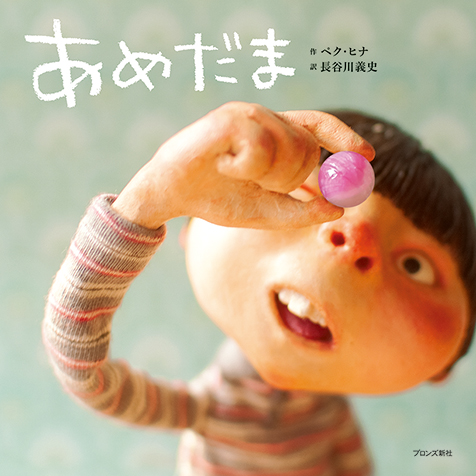
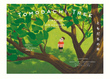
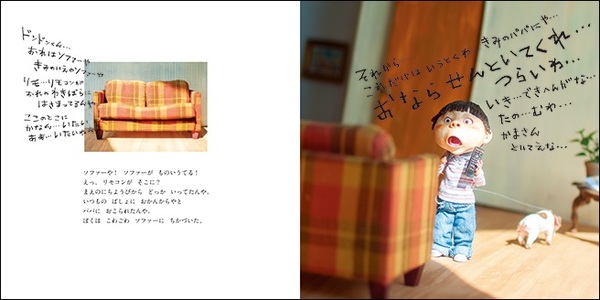
ペク・ヒナ「あめだま」は、韓国の絵本の日本語版(長谷川義史訳)。ペクはカリフォルニア芸術大学でアニメーションを学んでいる。デビュー作「ふわふわくもパン」はCG作品で、以降の作品「天女銭湯」「天女かあさん」本作「あめだま」は、粘土人形とジオラマを写真で撮影する手法が取られている。粘土人形に移行後、ペク作品の魅力は〈緻密さ〉だ。ジオラマや背景セットの緻密さもさることながら、人形の造形と着色に類い稀なセンスと細部表現が投入されている為か、人形の表情がドキッとするぐらい生き生きとしている。これほど緻密な造形物が写真に収められていると、まるで現実に動いて存在するものを見ている錯覚すら覚える。ロン・ミュエックやパトリシア・ピッチニーニなどのハイパーリアリズム現代美術家の作品とある種同じ効果が、メインのお話を邪魔せず“何気なく”使用され、素直に感動できる。ページのカット割りや構図にも秀でたセンスを感じ、それらの高度な技術が全く嫌味になっていないところが素晴らしい。ヤン・シュヴァンクマイエル、イジー・バルタ、ソ連の人形アニメ、あるいは機関車トーマスなどの現実と幻想が交錯する世界にも通ずる。
この本では、あめだまを通して一人の少年が日常生活で不思議な体験をする。絵本の中核は、お話でヴィジュアルはその支えだ。だが〈それ自体〉の真価はヴィジュアルによって左右し、ヴィジュアル次第でお話の印象が全く変わる。その意味でも、本作は二次情報に左右されない〈それ自体〉に普遍的な力を宿した作品と言えよう。
Updates from picture-book artist
text: Yoshio Machida
I had a chance to talk with a buyer from the book store, about the difference between the art book and the picture book. When you read art-book, you might tend to focus on secondary information, which is about its popularity, or its theory. On the other hand, in case with picture-book, the reader is easily getting onto primary information “of itself ”, which comes visually from what is on the pages. Although we know there is big difference in major target of each book (one for grown ups, the other for children ), it seems that even grow ups reading a picture book unintentionally put priority to the primary information “of itself” than to the secondary information.
Baek Heena’s “ Amedama (translated by Yoshifumi Hasegawa )” is J apanese translation from her “Magic Candies “, originally published in Korean. Baek studied animation at the California Institute of the Arts.“ Fuwafuwagumo Cloud Bread ”making her debut, was rendered by CG, but since then, her books as “The Bath Fairy”, “The Strange Mum”, and “ Amedama ” have been employing the method of editing photos of clay puppets, and georamas. After woking with clay puppets, “ delicacy ” has been known as the signature of her works. Not to mention the details of georamas and the settings of each scenes, you would gasp at the expressions shown on puppet’s face, elaborated by her exceptional, virtuosic skills of modeling and coloring puppets. Each photos of creatures and settings with such details, delude you into visions of real moving objects. This kind of effect, which is shared with the artists from hyper realism as Ron Mueck, and Patricia Piccinini successfully, and truthfully warms our heart without any distraction on narratives.
Her eminent talent of cuts, and perspectives in shots, will impress you and it is awesome to see these highly demanding technique is properly fit into the narrative. You can say visions of her works are common with those of Jan Švankmajer’s, Jiří Barta’s, Russian puppet animators’, and “Thomas the Tank Engine”, which mix realities with illusions.
In the story, amedama (candies), conjure up strange experiences in a boy’s every day life. This is the story lying at the core with much importance , and the visuals appearing on the pages just support development of the story. But the primary information “of itself”, is brought by visuals, so the crucial effect is to be cast over the story by visuals. In this context, we can say this book has conceived an imperishable inside “of itself”, keeping a certain distance from its secondary information.
translated by Kazuki Takami (intoxicate)