言わば、ポジティヴな諸行無常。代謝する日々を傍観する彼ら流の夏ソング
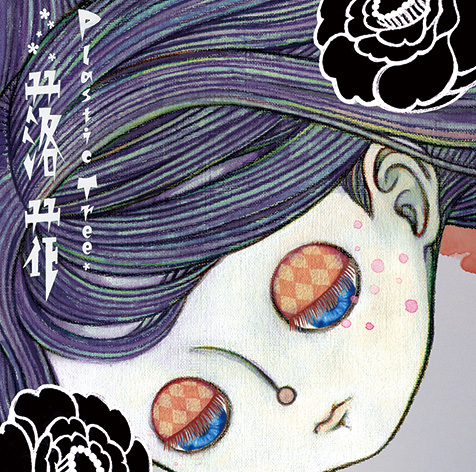
バウンスせずにはいられない跳ねたリフが前面に出た“マイム”、アンビエントな揺らぎのなかで時間軸が輪廻する“スロウ”、そして今回の“落花”。シングルを発表するたびに振り切れた方向性を提示してきた近年のPlastic Treeだが、果たして本作はどうなのか。
「“マイム”がわりとエレクトロ寄りで、“スロウ”はバラードで。前のシングルがそれぞれバンドのひとつの側面的な曲だったんで、今回はその真ん中をいくような、素直にバンド・サウンドだけで構築した曲がいいなと思ってて。リリース時期もちょうど夏ぐらいってことだったんで、〈夏に聴いて心地良いロックってどんなんかな?〉とか、そういうことを考えながら作ってましたね。それで、夏は分析しないで聴けるっていうか、ダイレクトに届くものが気持ち良いんじゃないかなあって。あとそこに、和風な雰囲気も入れたいなと。夏と言えば浴衣とか、花火とかね、そういうイメージは無意識にあったかもしれないです」(長谷川正、ベース)。

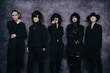
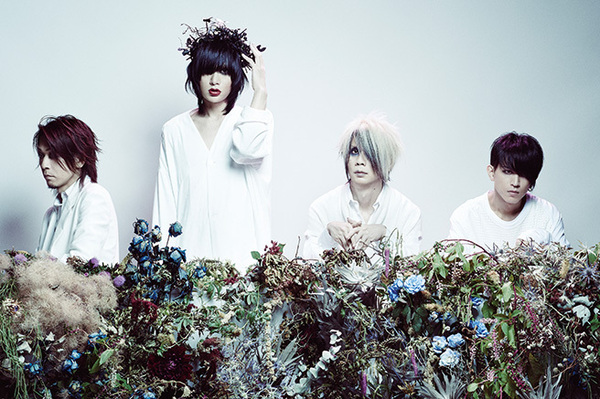
そんな、言わば〈長谷川流の夏ロック〉となった“落花”は、深みのある陰影を伴いながら流れるように疾走するバンド・サウンドと和装の旋律が絡み合う、どこか風雅さを湛えたメロディアス・チューン。そこに歌詞を誂えたのは有村竜太朗(ヴォーカル)だが、〈無下に咲いては 散り落ちし花〉〈然すれば このような愚行だって意味を持つ〉といったラインをはじめ、〈音〉からイメージを膨らませていったことが明確に感じられる古語遣いが、楽曲の風情を際立たせている。
「スッと耳に入ってくる曲だったんで、歌詞もそういう感じで書きたいなと。ただ、和メロみたいな曲の特徴を歌詞に持ち込みたい、っていう方法論みたいなところでのテーマはあって、それで〈さてさて、何を書こうかな?〉と思いながらボーッと……ちょうど外で書いてて、夜明けぐらいのときだったんだけど、〈あっ、この状況をまんま書けばいいかな〉と思って(笑)、一回スッと書いたんですよね。そしたら半分ぐらい一気に書けちゃったから、今回はこういう感じでいまの状況説明と、そこでの自分の心境説明がサビに上手く繋がってくれたらいいのかなって」(有村)。
気負わない状況で言葉が綴られたということは、〈空虚感 適切なの それ 歌にしてみてるの これ〉という冒頭の一節からも伝わってくる。ここで描かれているのは、さながら〈ポジティヴな諸行無常〉とでも言うべきもの。有村がこれまでに重ねて言及してきた彼らしい題材だ。
「俺はたぶん、歌詞では基本的におんなじことしか書いてないから、今回もそのベーシックなところで言いたいことだったり、曲に持ち込みたい感情だったりを書いてて。あとになって〈なんでこういう歌詞がハマったのかな?〉って考えてみたら、〈そもそも結構、これの繰り返しだからなー〉っていうところに辿り着いたんですよね(笑)。なんか、〈こういうことを日々繰り返して過ごしてるんですけど、まあ、明日もよろしくお願いします〉みたいな気持ちになったっていう(笑)。だから、決してネガティヴなことを歌ってるわけではなくて、どっちかっていうとポジティヴ。日々が代謝していくことを傍観しているような歌ですね」(有村)。
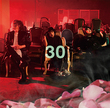
今回も4形態でのリリースだが、共通のカップリングに収められたのはナカヤマアキラ(ギター)と佐藤ケンケン(ドラムス)コンビによる“感傷ダイアリー”。よりグルーヴィーに、エッジーに加速する同曲の先には、長谷川いわく「当日は妙な一体感があって、みんながもう、可愛らしく思えるぐらいでした(笑)」という、今年5月に行われた初の男子限定ライヴ〈Boys Don't Cry〉の映像/音源も。失速することなく突き進むそうした構成も、彼らの〈バンド感〉を伝える一助となっている。
「バランスを取ることは考えてなくて。ライヴの音源もアッパーな曲が多いので、ラストに向けてなお元気っていう(笑)。こういうシングルも珍しいなって思いますね」(有村)。
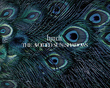
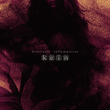
Plastic Tree “Rakka (meaning Flower Shedding)”
Interview & text by: Mayumi Tsuchida
So to speak, this is a positive version of ‘shogyomujo’ (Buddhist concept that everything is in constant flux). A summer song of their own kind from Plastic Tree, who passively observes the daily shifting of life
On “Mime,” the signature jumping riffs made us want to bounce, while on “Slow,” the passage of time reincarnates in ambient instability, and here’s their new single “Rakka.” Plastic Tree has been offering very different directions every time they release a single. So, what about this time?
“‘Mime’ was kind of electro, and ‘Slow’ was a ballad. Each of those singles represented a different aspect of our band, so this time I wanted something in between, like a song simply played in a classic rock style. Since the release was scheduled for the summer, I went into composing, thinking ‘What kind of rock would be a feel-good song for summer?’ Then I thought maybe people want to listen to music without thinking too much in summer, so something that appeals to them in a direct way would be best. Plus, I wanted to add some Japanese atmosphere to the music. For example, yukata (Japanese summer kimonos) or fireworks. I may have had that kind of image in mind, automatically.” (Tadashi Hasegawa, bassist)
“Rakka” – which, in other words, came out as ‘Hasegawa-style summer rock’ – turned out to be a melodious tune with a hint of elegance, on which gloom-laden, sprinting rock band sounds and Japanese-tinged melos intertwine. The lyrics were written by vocalist Ryutaro Arimura. He used archaic expressions with some of the lyrics, such as “Flowers bloom in vain and fall” or “Thus this kind of folly shall have a meaning,” where we can see that he was clearly inspired by the
“The music had a pleasant note, so I wanted to create the lyrics that way too. Although, I did have a methodological theme of bringing a feature of Japanese melodies into the lyrics. As I was thinking to myself ‘Well, what am I writing?’, and at the time I was writing outdoors around dawn, it came to me that ‘Maybe I can write about the situation that I’m in right now (laughs).’ So, I started to write casually, and was able to write as much as half of the song in one go. Given that, I decided to go with the lyrics that explain my current situation and emotion, hoping they would lead to the chorus part nicely.” (Arimura)
We can tell that the song was written in a relaxed mood from the first line ‘A sense of emptiness, which is just right. I made a song out of it, like this.’ What’s depicted here is, so to speak, ‘a positive version of shogyomujo,’ which Arimura has mentioned over and over.
“I think I’ve been writing basically the same things. This time isn’t any different. I just wrote what I wanted to say, and the emotion that I wanted to bring into the song. After a while, I was thinking to myself, ‘Why did I choose these lyrics?’ and realized, ‘Well, it seems like this is what I’ve been doing all the time (laughs).’ I just ended up feeling in a way like ‘My life is just like this, repeating things day by day, but I hope I have another good day (laughs).’ We’re not singing about anything negative. This is rather a positive song, on which we passively observe things change day by day.” (Arimura)
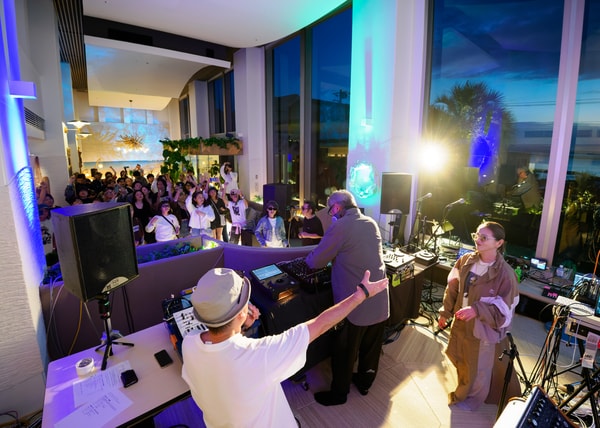
The single comes in four different forms, and the common coupling track is “Kansho Diary (meaning Sentimental Diary)”, created by the combination of guitarist Akira Nakayama and drummer Kenken Sato. This groovy, edgy and accelerating number brings us to the clip from the men-only concert [Boys Don’t Cry] which was held in May. According to Hasegawa, “There was a peculiar sense of unity, so much so that it made everyone look adorable (laughs).” The structure of moving forward without stalling helps them tell their fans about their approach to the band.
“We aren’t concerned about keeping balance. The songs we play at concert are mostly upper tunes, so we end up with an air even more lively. I think this kind of single is rare.” (Arimura)