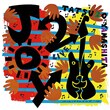
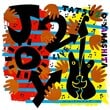
第2作目は、豪奢なウィズ・ストリングス&ホーンズによるLA録音!

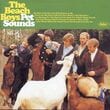
ジョアン・ジルベルトは、『Amoroso/Brasil』(1977年)のオーケストラ・アレンジ(クラウス・オガーマン)を気に入っていないことを何度か語っている。オガーマンの編曲自体は悪くないというのが僕の立場だが、『Colors』はジョアンの同アルバムをきっかけに世界的に広まったイタリアの曲《ESTATE》で幕を開ける。このロサンゼルス録音の新作は、“ウィズ・ストリングス&ホーンズ”もの。それだけに、《ESTATE》を選んだということには、プロデューサー(高見一樹)の『Amoroso』へのある種の批評的眼差しを感じずにいられないが、ともあれ、1曲目からサックスと豪奢なストリングス・オーケストラで酔わせる。
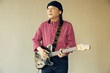
「以前からチャーリー・パーカーをはじめ、“ ウィズ・ストリングス” のアルバムは何枚か聴いてましたが、まさか自分が体験できることになるとは思いませんでした。でも、山下達郎さんから若いうちに米国のストリングスと一緒にアルバムを作っておくといい、と勧められました。この年齢でこんな光栄なことはないと思い、その話に乗らせてもらいました」


新作には、《ESTATE》の他にイヴァン・リンスの《Setembro》、ディアンジェロの《Another Life》、ジャズ・スタンダード、そしてオリジナル曲が並んでいる。スタンダード以外はプロデューサーによる選曲とのことだが、《Setembro》はクインシー・ジョーンズのヴァージョンで親しんでいたという。
「あくまでも浅く広くといった感じですけど、黒人音楽は全般的に好きです。クインシーのヴァージョンはTake6が参加していることもあって、昔から好きでした。また、僕は大学時代からセッションをずっとやってきましたが、スタンダードの中でもボサノヴァやラテンの曲をかなり演奏してきた。だから自分のバックグランドの中でも大きな割合を占めています」
“ジャズはラテン・アメリカ音楽の一種である”というジャズ評論家の故油井正一氏の卓見を裏付ける発言だ。3曲あるオリジナル曲のうち、《Happy Tree》は前作に収録されていた曲の再録。できれば、いつかはオリジナル曲だけでアルバムを作りたいと語る。
「アレンジャーのダニエル・バーニッジは《Happy Tree》をすごく気に入ってくれて、この曲を聴いて今回のプロジェクトに対するモチベーションが高まった、と言ってくれました。僕がジャズ・ミュージシャンとしていちばん大切にしているのは、“自分の歌”を歌うということ。つまり歌心ですね。それとスウィング。たとえバラードであっても、演奏がスウィングしていれば、踊ることができる。このことの重要性を、最近ますます意識するようになりました」
LIVE INFORMATION
山下達郎デビュー40周年のアニバーサリーイヤーに贈る、
全国35都市64公演のロングツアーに参加中!
www.yotamiyazato.com/
Yota Miyazato “Colors (with Horns & Strings)”
Interview & Text by: Toru Watanabe
A magnificent 2nd album with strings & horns, recorded in LA!
Joao Gilberto revealed more than once that he wasn’t really satisfied with the orchestral arrangement of “Amoroso/Brasil” (1977) by Claus Ogerman. In my opinion, his arrangement itself wasn’t bad, and this album “Colors” starts with “ESTATE,” the Italian tune which became internationally famous thanks to the very album by Joao. This new piece recorded in LA is the so-called “With Strings and Horns” album. So I cannot but feel the producer (Kazuki Takami)’s some sort of a critical look against “Amoroso~” with the choice of “ESTATE,” but in any case, the album fascinates us from the first tune with the saxophone and magnificent strings orchestra.
“I’d listened to some ‘With Strings’ albums including Charlie Parker’s, but I never imagined that I could experience that myself. But Tatsuro Yamashita (the established singer-songwriter who catapulted Yota Miyazato into the spotlight by signing him up as his tour band member, also the executive producer of this album) recommended to me that it would be good for me to make an album with American strings players while I’m young. I couldn’t be more honored to have such an opportunity despite my age, so I humbly took the offer.”
The album also includes Ivan Lins’ “Setembro,” D'Angelo’s “Another Life,” some jazz standard tunes and his original tunes. All the tracks except for the standard tunes were selected by the producer, but for “Setembro,” he was already familiar to the tune with the version by Quincy Jones.
“Though I don’t have deep knowledge of it, I generally like black music. As Take6 participated in the Quincy’s version, I’ve listened to it since I was young. Also, I’ve played in sessions since I was a college student and used to play many of the standard bossa nova and Latin numbers, and they occupy a large part of my background.”
His comment supports the great insight of a prominent jazz critic, the late Shoichi Yui: “Jazz is a kind of Latin-American music.” “Happy Tree,” one of the three original tunes, had been included on his last album and newly recorded this time. He says that someday he hopes to make an album that includes his original tracks only.
“Daniel Barnidge, the arranger, liked “Happy Tree” a lot and told me that the track had motivated him to work on the project. To me, what matters most as a jazz musician is to sing my own songs. That is utagokoro (to understand and convey the emotions and meaning of the songs). And swing. We can dance with even ballads as long as the music is swinging. I’ve come to realize the importance of that point more than ever lately.”