【Click here for English translation of this page】
デヴィッド・ボウイから学ぶ
そして未来を考える
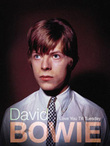
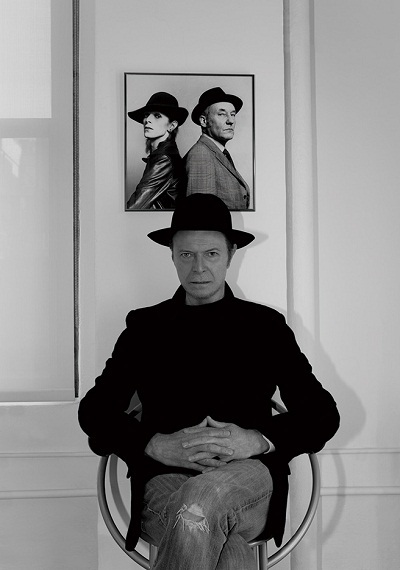
デヴィッド・ボウイは不死身のように見えた人だった。彼と仕事でかかわった人を何人か、僕は子供の頃から知っていた為に、どこか身近に感じていた。ボウイは高度なアート、文学、哲学、シネマ、シアターからポップス、R&B、ファッションまでを一般的にヒットできる形で作品を発表出来た人だった。70年代ではボウイと共にルー・リード、ピーター・ガブリエルがこのように哲学や文学をロックやポップスの表現でヒットさせた。今は、ビョークが、このような活動をしている。ダンサーであり独特のシアターを作っているリンゼイ・ケンプとの出会いが、ボウイを成功させた『ジギー・スターダスト』のシアター・ロックを作るきっかけになった、という記事を多くの人は書いている。ケンプは様々な経験を教えたように思うが、影響はお互いにもあったと僕は思う。
ボウイの父親はシアターの世界に入りたかった人だった。ボウイが生まれた頃には、パブリシティの仕事をしていた。13歳のボウイに文学と哲学書をたくさん読むように薦めていた。その中でも、オスカー・ワイルドは彼の作詞に大きく影響した。
ボウイの母親側の家族には躁うつ病患者や分裂病患者が数人いた。遺伝的に伝わっているとみんなが信じていた。ボウイの異母兄は躁うつ病で病院に入院するようになり、1985年に自殺した。ボウイ自身はセラピーには絶対に行かないと決めていた。自分の感じている問題を芸術作品にして、作詞作曲をして、パフォーマンスをする事が自己セラピーになると語っている。それを聴く多くの人にとっても、そうした曲は、セラピーの代わりになると僕も思う。カール・ユングに次の言葉がある;『自分自身の暗闇が理解できれば、人の暗闇についても理解できる。自分を自分で受け入れるほど自分にとってコワイものはない。』『無意識にあるものを意識するようにしなければそうしたものがあなたの人生を支配してしまう。無意識にある世界に意識を向けることは、いたみなしではできない。』(『THE RED BOOK』よりAyuo訳)彼の異母兄が精神病院に入院した時に書いた《ALL THE MADMEN》等の曲にはこうした自分の暗闇を見つめるセラピー的な役目がある。
「★(ブラックスター)」と名付けられた最新作
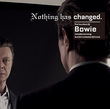
遺作となった2016年の1月8日に発売になったCDのシングル『ラザレス』には次の言葉を歌っている:『見て、今僕は天国に入る。人には見せられない傷を持っている。人には真似出来ない経験をしてしまった。みんなが僕を知っている。見て、僕は危機の中にいる。何も失うものがない。あまりにも、ハイになりすぎて、頭がいかれそうだ…。ニューヨークについた頃は王様のように暮らしていた。そして、君を探していた僕は、お金も全て使い果たしてしまった。この道か否か。僕は自由になる。あの青い鳥のように。』ボウイが二十歳の時から、今年の遺作までの多くの作品のプロデューサー、トニー・ヴィスコンティはこの詞を見て、『死をテーマにするの?』と聞いた。そうすると、もうすでに、癌の化学療法で髪や眉毛が抜けた姿のボウイは、ただ笑ったと語っている。彼は内心、死を恐れていた。それを詞や歌にして、自分の為にも人の為にも、その経験を歌い上げた。


リンゼイ・ケンプとの出会い
1967年にリンゼイ・ケンプと出会い、彼のダンス・クラスに行くようになった。ケンプは、英国ロイヤル・バレエ団の入学を断られた時に、自分で自分のスタイルを作ると決心したダンサーで、ストリートに住みながら、パフォーマンスを始めた。ダンスの世界にはゲイの人達が多く、ケンプもそうであった。ダンス、マイム、シアター、歌舞伎の影響を混ぜた独自のスタイルを作り、振り付け師としても注目され出した人だった。ケンプはコクトー、ジュネ、ワイルド等の影響から自分流のシアターを作っていた。ジュネのように犯罪者と共に暮らしていた。彼はボウイにも次のように教えた:『ここから少し盗み、あそこからも少し盗み、それから、想像力とテープとおがくずでくっ付けながら、元よりも良いものを作る。人に好かれていれば、みんなが手伝ってくれる。』
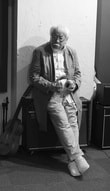
ケンプはボウイに催眠術と身体を自由に使えるように教えた、と語っている。ケンプは不思議な魅力を持っている人だ。ケンプと彼のカンパニーのメンバーたちは、僕が中学生の頃に、僕の家族の家に数ヶ月の間、毎日のようにいた時があった。家で中世ヨーロッパ音楽からワーグナーやラヴェルのレコードをかけて、シアターの音楽を選曲していた。その頃、ボウイに会いに行って、ケンプの『サロメ』の制作の為の寄付金をもらっていた。ボウイはケンプに無声映画『メトロポリス』を見せながら『ダイアモンドの犬』をきかせた。僕の当時の両親との家庭は、カンパニーのメンバー達の出入りがきっかけで崩壊した。面白い面もあったが、大変な面もあった。
ケンプの衣装デザイナーで、後に70年代後期のボウイの衣装をデザインしたナターシャ・コーニロフが、ケンプは当時ボウイに厳しかった、と語っている。しかし、ボウイはそれ以後ディレクションをするのがうまくなっていた。彼は自分のバンドメンバーをバレエ公演等に連れて行って、その照明の使い方に注目してくれ、等と教えるようになった。ピアニストのリック・ウエイクマンはボウイを見て、プロの音楽家の本来の姿を理解した、と語っている。ボウイはギターで自分の曲を歌って見せ、そのプレイヤーからどんな音が欲しいのかを伝える能力を持っていた。バンドがちゃんと練習していないと、『練習してから来い』、と言って帰らせてしまう。
変化が進化であるために
彼は常に時代の新しい事に敏感だった。デヴィット・ボウイは90年代の後半から誰よりも早く知的財産の価値がなくなる事を予想していた。知的財産とは音楽、映像や文章の権利の事だ。一つの答えとして、Bowie Bondsという株を97年に作り、10年間、ボウイの全ての著作物の権利を株にした。これは当時、革新的なアイディアだった。ジェームス・ブラウンもこのアイディアをすぐに真似した。ボウイの株は、売り出した97年には高い値段が付いていた。ボウイは最初5500万ドルを稼いだ。しかし、2007年にはジャンク品より少しましくらいの価値に落ちていた。これはYoutube、ダウンロードやシェアリングにより、CDセールスが全体的に落ちた結果として見られている。ボウイは、『この次の10年間で、今までの音楽の在り方は変わってしまう。著作権もだんだん無意味になり、音楽は水道の水や家庭電器のように流れてしまうものになってしまう。新しい音楽を制作するのは今のうちだ。そのうち、音楽家は稼ぐ為のツアーしか出来なくなるだろう』と語っている。
CD、DVD、本、映画作品等の新作が作られなくなっている今の状況について、多くの人達が語っている。もう少し予算があったら、より良くなるだろうな、と思わせる作品が最近多くある。哲学者のハイデッガーは芸術が落ちて行くのは、その文明が落ちて行く前触れになるという事を語っていた。私たちは過去の文明を見る時、その残された芸術作品で判断している。これからの時代に必要なのは、哲学や科学を考えながら、新しい芸術を作ることができる新しいインテリジェンスだと僕は思う。
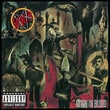
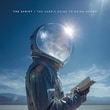
21世紀になると共に、20世紀までの哲学(サヨク思想、ウヨク思想)は古くなった。オカルティズムの流行は哲学が左翼にハイジャックされて、信用が失ってしまったから勢いづいている。今の社会は50年前とは違う。今の社会は1968年の学生運動をやっていた世代がリードしている。ビル・ゲイツやグーグルを作った資本主義での共産主義のシェアリングの世界は文化全体に大きなダメージを残すだろう。ボウイは10年前に、イギリスの政治哲学者ジョン・グレイの影響を受けたバンド、ザ・ストリートを聴くと良いと言っていた。僕は、知的財産の問題についても多く語ってきたスラヴォイ・ジジェクを読むことも今重要だと思っている。時代は変わった。そして、これからも変わらなければいけない。新しいアートをサポートする人が今まで以上に必要になるだろう。
David Bowie(デヴィッド・ボウイ)[1947-2016]
1947年1月8日生まれ。本名デヴィッド・ロバート・ジョーンズ。ビートルズ、ローリング・ストーンズらと並んで、20世紀のイギリスを代表するロックスターの一人。『ジギー・スターダスト』『レッツ・ダンス』などで次々とロックの歴史を塗り替える。映画『戦場のメリークリスマス』への出演も話題となった。2004年以降、第一線から退いていたが、2013年に『ザ・ネクスト・デイ』で電撃復活。2016年1月10日、癌により死去。69歳の誕生日に『★(ブラックスター)』を発表した矢先であった。
寄稿者プロフィール
AYUO(あゆを)
作曲家・作詞家・ヴォーカル、ギター、ブズーキの演奏者。十代の前半からデヴィッド・ボウイ、ルー・リード、ピーター・ガブリエルの影響でニューヨークで文学、哲学と音楽の総合作品を作り出す。18枚のCDを日米で1984年から現在まで発売。近年ではダンスと演劇的な要素を混ぜた音楽劇や室内楽の作品を発表している。2016年は渋谷の公園通りクラシックスとラスト・ワルツでシアター・ロックのバンド、ジェノームとソロで活動中。
ayuoworldmusic.wordpress.com/
ドキュメンタリー映画 『デヴィッド・ボウイ・イズ』
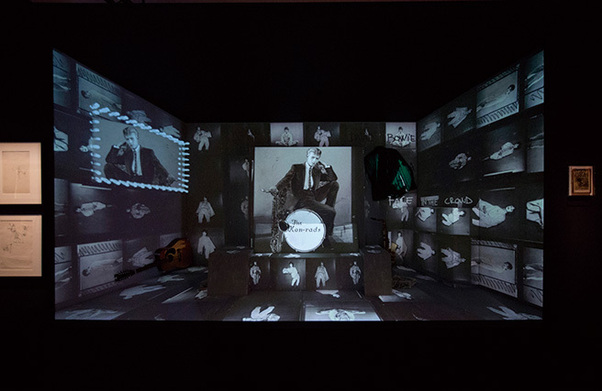
監督:ハミッシュ・ハミルトン
出演:ヴィクトリア・ブローク ス/ジェフリー・マーシュ/デヴィッド・ボウイ
配給:カルチャヴィル(イギリス 98分)
◎2/20(土)より、MOVIX宇都宮、MOVIX伊勢崎ほか順次公開
◎2/27(土)~3/4(金)6日間限定上映 Bunkamuraル・シネマ 連日19:35~
*3/3(木)は休映
www.culture-ville.jp/
Release of the Documentary film -“David Bowie Is”
Written by: AYUO
Think ahead: what you can learn from David Bowie
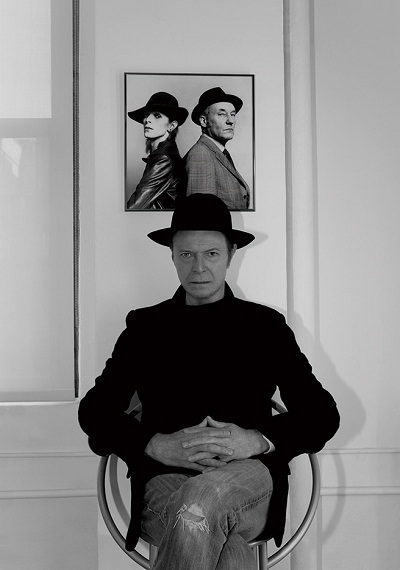
To me, David Bowie seemed to be an immortal being. Since my childhood, I’ve known some people that worked with him, so I somehow felt close. He was a man that broke new ground in art, literature, philosophy, cinema, theatre, pop, R&B, and fashion while still maintaining mass appeal. You can also find this approach in the works of Lou Reed and Peter Gabriel in the 70s, both of whom had major hits with their philosophical and poetic takes on rock and pop, and now Björk’s output is in the same sphere. Many articles tell of an encounter with Lindsay Kemp, a dancer-cum-producer of quirky stage pieces, which acted as a catalyst for “The Rise and Fall of Ziggy Stardust and the Spiders from Mars,” the theatrical rock album that led Bowie to ‘Stardom’. Indeed, Kemp took him under his wing, though I argue that Bowie influenced his mentor too.
Bowie’s father, who wanted to get involved with the theatre industry, was working in PR when Bowie was born. He encouraged his 13-year-old son to read a lot of literature and philosophy, and in particular, the work of Oscar Wilde which was to have a huge influence on the lyrics of the pop star-to-be.
Several members of his mother’s family suffered from bipolar disorder and schizophrenia, which they all believed ran in the family. Bowie’s brother-in-law was hospitalized with a mental health problem, and eventually committed suicide in 1985. Bowie, who was determined not to have any mental treatment, said that it would be self-therapy to give performances where he transformed his personal problems into art, lyrics and music. I suppose many who listen to his songs could find them a substitute for therapy. Carl Jung’s [The Red Book] reads “Knowing your own darkness is the best method for dealing with the darknesses of other people. The most terrifying thing is to accept oneself completely.” He goes on “Until you make the unconscious conscious, it will direct your life,” and “there's no coming to consciousness without pain.” Songs like “All the Madmen”, written when Bowie’s brother-in-law was admitted to a psychiatric hospital, have an introspective, therapeutic role to play in encouraging us to gaze into our own shadowy depths.
His latest, titled “Blackstar”
In “Lazarus,” a single cut from his portentous swan song released on 8th January 2016, he sings the following lyrics. “Look up here, I’m in heaven. I’ve got scars that can’t be seen. I’ve got drama, can’t be stolen. Everybody knows me now. Look up here, man, I’m in danger. I’ve got nothing left to lose. I’m so high it makes my brain whirl. (snip) By the time I got to New York. I was living like a king. Then I used up all my money. I was looking for your ass. This way or no way. You know, I’ll be free. Just like that bluebird.” Tony Visconti, who had been a producer for most of his pieces since Bowie was 20, looked at the lyrics and asked “Are you going to make death the theme?” By his account, the cancer patient, whose chemotherapy had caused his hair and eyebrows to fall out, then just smiled. In fact, Bowie was afraid of death at heart. And he channeled that fear into his song lyrics, which conveyed what he experienced not only for himself but others.
An encounter with Lindsay Kemp
In 1967, Bowie first met Kemp and began attending his dance lessons. Having been refused a place at the Sadler’s Wells School, now the Royal Ballet, Kemp had become determined to develop his own style of dancing and continued to give performances in garages, in fields, in parks, in gardens, or wherever he could get a gig. There were many homosexuals in the dance industry and so was Kemp. He established his distinctive modus operandi, blending influences from dance, mime, theatre and kabuki to critical acclaim and attracting attention as a choreographer as well. Inspired by the likes of Jean Cocteau, Jean Genet and Wild, he formed his idiosyncratic dance company, where, like Genet, he lived with criminals. He taught Bowie his working method: “You nick a touch of this. You nick a touch of that. Then you do it better simply by using Scotch tape, sawdust and a little imagination.”
Kemp is a man with inexplicable charm and says that he gave Bowie instruction on hypnosis and how to move the body freely. When I was a junior high-school student, the mime artist and the members of his company came to my house almost every day for a few months, which they spent playing medieval music, Richard Wagner and Maurice Ravel and selecting suitable tunes for a theatre production. At that time, Kemp went to see Bowie and collected his contribution to help him fund a production of Salomé. Bowie showed him a silent film, “Metropolis”, while playing his “Diamond Dogs” album. However, such visitors eventually led my family life with my parents to collapse. Those days were quite up-and-down.
Natasha Korniloff, a costume designer for Kemp and later for Bowie in the late 70’s, says that Kemp was hard on Bowie at the time. Thanks to the mentor’s severe approach, however, Bowie got better at directing. He took his staff to ballets and other stage performances and told them to pay attention to how staging elements such as lighting worked. Pianist Rick Wakeman says that seeing his attitude opened his eyes to how a professional musician should be. Bowie was capable of musical communication and strummed the guitar to tell the player what sound he wanted. When he found his band still needed to practice, he told them to do so at home and get ready before coming back to him.
Making an evolutionary change
Bowie was always sensitive to changes in the zeitgeist and was among the earliest in the 90s to envisage depreciation of intellectual property, namely the rights of music, films and literature. One of his answers to this was the Bowie Bonds. In 1997, he sold his rights to future royalties from music he recorded before 1990 in return for a 10-year bond. This idea was so ground-breaking that James Brown soon followed suit. Bowie Bond fetched high prices in the first year and he garnered $55m. By 2007, however, it was rated by Moody’s Investors Service as Baa3, one notch above ‘junk’ status due to poor CD sales on the whole in the wake of Youtube and other download/sharing services. “I’m fully confident that copyright, for instance, will no longer exist in 10 years, and authorship and intellectual property is in for such a bashing. Music itself is going to become like running water or electricity. So it’s like, just take advantage of these last few years because none of this is ever going to happen again. You’d better be prepared for doing a lot of touring because that’s really the only unique situation that’s going to be left,” predicted Bowie.
The on-going situation where increasingly fewer artistic products like CDs, DVDs, books, films, etc, are newly released, has become the talk of the industry. Recent years have seen a lot of work that would have come out better with greater financial backing. Philosopher Martin Heidegger says that the decline of art was an omen for that of civilisation. Given that the art left over from the past gives us clues about what previous civilisations were like, what will be needed in the coming era is the intelligence to channel philosophy and science into a new artistic form.
As the 21st century loomed, the dominant ideological opposition between the right and left wings became obsolete, and many have turned to occult trends, which have gained momentum since philosophy was hijacked by the left and lost its trust. The current society, different to that of five decades ago, is led by the generation that was involved in the student activism in 1968. The communist principle of redistribution partly taken into capitalism, which has ironically given birth to economic giants like Bill Gates and Google, will remain incompetent and wreak devastating damage on the cultural society. 10 years ago, Bowie recommended listening to The Street, a band influenced by English political philosopher John Gray (who argues that free market globalization is unstable and is in the process of disintegration) . Now, I think reading Slavoj Žižek, a cultural critic who has raised questions on intellectual property, is also crucial. Times have changed and need to keep changing. Supporters for a new artistic vision will be all the more needed accordingly.
David Bowie [1947-2016]
Born David Robert Jones on 8 January 1947, Bowie was among the most prominent rock stars that came out of Great Britain in the 20th century alongside The Beatles and The Rolling Stones. He was considered an innovator in rock history with a series of game-changing albums: “The Rise and Fall of Ziggy Stardust and the Spiders from Mars” and “Let’s Dance” to name but a few. His appearance in a Japanese movie, “Merry Christmas, Mr. Lawrence”, also created a stir. From 2004, he left the front line before a surprising comeback with “The Next Day” in 2013. On 10 January 2016, two days after his 69th birthday and the release of “Blackstar”, he died from cancer.
Writer: AYUO (Musician/composer/songwriter)
(Profile) http://www.ayuo.net/en/profile.html
(Latest Info.) ayuoworldmusic.wordpress.com/
Director: Hamish Hamilton
Starring: Victoria Broackes / Geoffrey Marsh / David Bowie
Distributor: Culture-Ville (UK: 98m)
◎Released at selected theatres nationwide from Saturday 20th February~
www.culture-ville.jp/