あるピアノとの出会いから生まれた最新作
ピアニストとはつくづく不思議な存在だと思う。コンサートでも録音でも、自分の楽器を持ち歩くことは基本的にない。いつもそこに用意されたものを弾きに出かけていく。だからなのか、自分がそのとき弾く楽器の響きに、彼らほど耳を傾ける人々はいないと思う。それは楽器との対話という慣用表現をこえて、バンドメンバーとはじめてセッションしたときのようなインスピレーションを演奏家に与えることもある。
「今回の曲を書いていたときにすごく楽しかったのは、まずピアノに触発されたっていうのもあるんですね。このピアノはアルド・チッコリーニが所有していたもので、(調律師の)狩野真さんが個人的に譲り受けたものなんです。独特の音色で、これを弾いたときの記憶が手の中に残っていて、なにか音を1つ出して、それを聴いて、またなにか音を重ねてという、薄い紙を積み重ねて行くような作業で曲を作りました。最初から見えていたものではなくて、偶発的なものの集積が曲になっているところはあるんですよね」


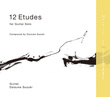
鈴のような音色、と本人が表現するピアノに触発されて生まれた2つの新曲から始まり、アルバム・タイトルの元となった“clair”“obscur”の2曲で幕を閉じる。演奏家・中島ノブユキがもつ響きの美しさを、過去のどの作品よりも克明に捉えた作品だと思う。本作と同じくピアノソロで録音された前作『カンチェラーレ』から、作風そのものに大きな変化があることも見逃がせない。
「自宅の楽譜の整理をしていた時に古い楽譜が出てきたんです。久しぶりに弾いてみたら不思議と響くものがあって。と同時に、今ピアノソロの曲を書いたらどうなるのかなと。以前のアルバムの作品は、曲そのものの核は、メロディがあってコードネームでできる、いうなればジャズ的なスタイルですが、20代の前半には、全部の音が記譜されていて、どこも変えることができないようなものを作っていたんです。そういうものを今作ったときにどう対比できるのかということは1つのテーマだったかもしれないですね」
歌曲風のメロディをもつこれまでの楽曲と異なり、器楽的な旋律が多くみられる。メロディの音域の幅が広がり、より自由に歌っている。"点描" のような細部の積み上げからなる楽曲があり、空白を残した一筆書きのような楽曲もある。
「小さい音で弾くのがすごく好きで。その音色は褒めてやってもいいんじゃないのかな。そのために曲を書いたというところはありますね」。鳴るか鳴らないか、その瀬戸際のサウンドをつきつめた録音であったという。
[English Translation]
Nobuyuki Nakajima’s Clair-Obscur
Interviewed and written by Yoshihiro Narita
The fateful encounter with one piano
Pianists are curious beings indeed. Whether it be for a concert or for a recording session, basically you will never find them dragging around their own instruments with them. They simply comply with whatever piano prepared for them wherever they go. Perhaps that’s why there are no breeds other than pianists who pay so much intense attention to the way the instrument, which they are just about to play, sounds. That goes beyond describing the situation as simply ’holding a dialogue’ with the instrument, and musicians are often given perfect inspirations as if playing with a new band for the first time.
“What I enjoyed most when writing this piece was the inspiration I felt from the piano. The piano I used was originally owned by Aldo Ciccolini and then handed down personally to piano technician, Makoto Kano. It has a rather distinct quality, and as the memory of playing it lingered in my hands and fingers, I repeated the process of playing a phrase, listen and give a thought to it, and then give it another layer of sounds to the section, as if laying transparent sheets of paper one by one to create the piece of music. It’s not that I had an image or vision from the beginning, but the track is more a result of an accumulation of incidental elements.”
The album starts off with the 2 new tracks inspired by the sounds of the piano that, to Nakajima, ’sounds like the tinkling of a bell’, and brings the curtain down with the 2 pieces “Clair” and “Obscur”, that also form the title of the album. It is easily the greatest composition that sheds light on the grace and beauty of the resonance created by performer Nakajima, more than any other of his past works. Unmissable also is the fact that even though this album is again recorded as a solo piano album, just like his previous album, Cancellare, the overall style is incredibly different on this latest work.
“I was flicking through my scores at home one day, and found some old scores. There was something that unexpectedly struck me when I tried it after all this time. And at the same time, it made me wonder how it would turn out if I composed a piano solo piece based on that now. The compositions on the previous album were more geared towards a jazz style, like centering the music on a certain melody following certain chords, but when I was in my early 20s, I was transcribing every single tone on the notesheets, making any alteration impossible. How it would compare to back then if I carried out my compositional works in that method today, -perhaps that was one theme I had when working on these new pieces.”
Compared to the past works that had somewhat song-like melodies, his latest album is made up with more ’instrumental’ sounding refrains. The melody has a wider range, and the music ’sings’ more freely. Some tracks seem like they are an amassment of tiny particles, as if they have been ’stippled’, while others seem like they have been written unicursally, leaving blank spaces intentionally.
“I love playing in tiny sounds, I think that is something this album can get credit for. Actually, I made some of the tracks just for that.” Aiming for the subtle brink of audible and non-audible, the recording also seemed to have been a pursuit of limits to what one human ear can perceive.