【Click here for English translation of this interview】
美しい輪郭に惹かれて近寄れば、そこにあるのは曖昧模糊とした音世界。静かながらもアグレッシヴな創造性が誘うのは、たまらなくエレガント、けれど、どことなく不穏なサウンド・ジャーニーで……
重要なのはムード
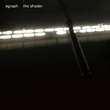
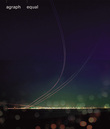
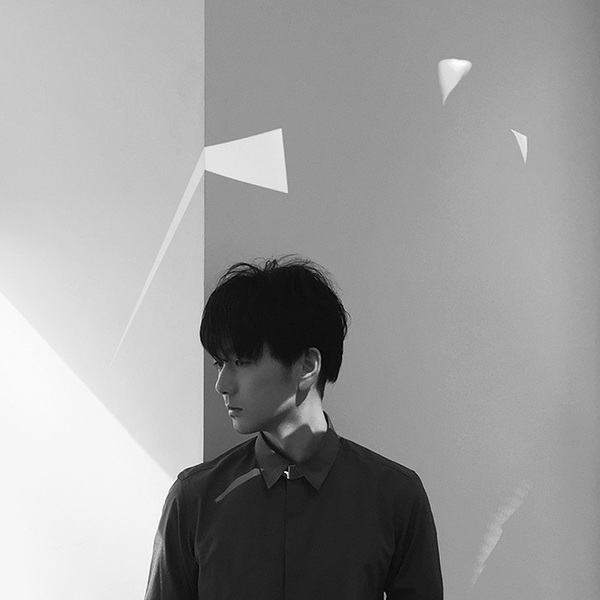
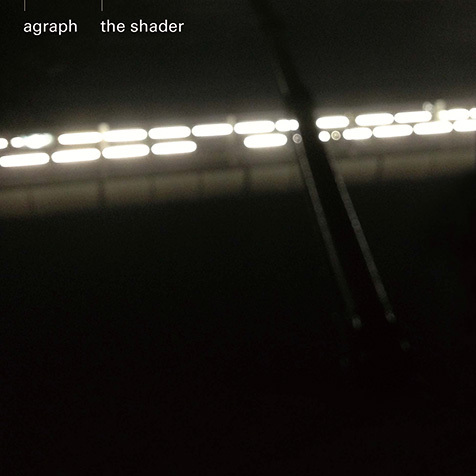
実に5年超のインターヴァルを経て、牛尾憲輔のソロ・プロジェクト=agraphの3作目『the shader』が届けられた。前作で覗かせた現代音楽~ポスト・クラシカル志向がここではより顕著に表れており、尖鋭的なアプローチでもって普遍的なロマンティシズムを浮き彫りにしたような、深い奥行きを感じさせる電子音楽が展開されている。

「セカンド・アルバム(2010年作『equal』)のマスタリングの日に制作を始めて、2~3年前には一度形になったんですけど、それはなんだか前作の続編みたいに感じてしまって丸ごと放棄したんですよ。その後に、リュック・フェラーリという現代音楽家の作品を聴いていた時期があって、彼をはじめ、スティーヴ・ライヒとか20世紀の現代音楽について改めて深く考えはじめた。そこからこのアルバムの方向に進むことができました」。
現代音楽を出発点としつつ、そこにベーシック・チャンネルのミニマル・テクノを結び付けるという着想からアルバムのコンセプトが浮かび上がったという。
「フェラーリに〈Presque Rien(ほとんど何もない)〉というミュージック・コンクレート、いまで言うフィールド・レコーディングのような作品があるんですけど、一切変わらないビートが鳴り続けるテクノと、鳴り続けるものが何もない現代音楽が自分のなかで繋がって。そこから、〈意識しているのかしてないのかわからないような音楽〉というイメージが頭をもたげてきたんです。メロディーとかリズムとかハーモニーが重要なんじゃなくて、そういう音楽的な要素を薪にして燃える炎みたいな音楽。そこから立ち上る雰囲気とか世界観だけ作ろうと」。
アルバムを一聴して驚かされるのは、ある種のオブセッションを感じるほど緻密に構築された音像だ。静謐なピアノの後ろにざらついたアンビエンスが敷かれ、メロディーは徐々に遠ざかり重低音に飲み込まれていく。コラージュめいた音の断片が次々と立ち現れては消え、テクスチャーは妙にひしゃげていたりモコモコしていたりもする。遠目には美しい輪郭が見い出せるが、近付いてみると掴みどころがなく曖昧模糊としている……そんなエレガントでいて不穏なサウンド・ジャーニーが待ち受けているのだ。
「例えばヴェイパーウェイヴって、80年代のフュージョンをカットアップしたりするじゃないですか。ソースがソースだからメロディーが綺麗だしハーモニーもリズムも緻密ですけど、そこを聴いているわけではなくて、あれってやっぱり質感とか雰囲気をおもしろがって聴いている。そういう方向をめざしたんです。ドラマティックなメロディーも強めのビートも出てきますけど、あくまでバランスを見ながら記号として置く感じ。重要なのは全体のムードなんです。そこが伝わればいいな……と思いつつ、作品として完成してしまえばあとは好きに聴いていただいていいんですけど」。
曖昧だけどソリッド
前2作よりも遥かにエクスペリメンタルな要素が色濃いし、現代音楽の実験性を近年のエレクトロニック・ミュージックの文脈で炸裂させているようにも受け止められる。だが、現行シーンを見据えたうえで新しいものを追求しているわけではないと彼は語る。
「自分の音楽が新しいことをやっているとは思わないですけど、自分の中では新しい気付きと発展があった。そういう個人的なことだと思うんです。現代音楽にも新しさを求めているわけではなくて、そういうものを聴くことで触発されるし、制作のガソリンになる。そこが重要なんです。基本的にagraphは時代性にコミットしないし、できない。いまのビートを採り入れることにも興味がない。それはLAMAの活動や電気グルーヴのサポート、劇伴制作、プロデュース・ワークといった他の仕事をやっていることも関係しているかもしれないですね。そういうプロジェクトは広く伝えるために時代性が必要になってくる。だからこそagraphは自分で好き勝手にやる研究開発部門みたいな場にしたいんです」。
とは言え、本作は現行のモードからまったく隔絶したものというわけではなく、2016年の新譜として享受できる質感を備えているのも確かだろう。また、この静かながらもアグレッシヴな佇まいは、前作以降のシーンの変遷――ワンオートリックス・ポイント・ネヴァーやアルカといった先鋭的なアーティストが大きな人気をものにし、エレクトロニック・ミュージックの枠組みが確実に拡張された状況も影響しているようだ。
「やっぱり電子音楽は好きなので新譜も自然と聴いているし、その更新された耳で作ったものですからね。OPNの登場に関して言えば悔しいなとも思ったし(笑)、ああいう音楽を〈カッコイイ〉と言う人があんなにいるんだったら、こういう作品も受け入れられるんじゃないかとは考えました。そこを勇気の種にして、すごい売れる可能性もあるんじゃないかと思って(笑)」。
本作は後半に進むに従ってよりアブストラクトな様相を呈するのだが、ラストに配された“inversion/91”は余白を大きく取ったサウンドが展開される、他の楽曲とはちょっと異なる表情を湛えたナンバーだ。
「最後の曲は自分でもすごく良く出来たなと思っていて、ここで当初のコンセプトから解き放たれて新しい領域に進むことができた。曖昧なんだけどソリッドで確立した世界観を作りたくて、それがこの曲でできたし、次のアルバムの出発点になると思うんですよね。そういう意味で、今回は過渡期のアルバムですけど、だからこそ、こういうものは今後もう作れないというおもしろさがあると思います。改めてのデビュー作みたいな気持ちもあるし、自分なりの発明ができたのですごく満足度の高い作品になりましたね」。
【Click here for English translation of this interview】
関わるシーンによって大きく変化するagraphのポップ感覚
牛尾憲輔の関わるプロジェクトのなかでもっともパーソナルと言えるagraph作品のほか、彼が関わっているプロジェクト/外部ワークスは多数。その一部を追ってみると……まずはフルカワミキ、中村弘二、田渕ひさ子との4人組、LAMA。ロックとダンス音楽を行き来する彼らは、2012年作『Modanica』にノイズやドローンをさりげなく注入。だが、その実験性をきっちりとポップソングへ着地させている。
また、クラムボンのミトとはアニソンDJデュオ=2 ANIMEny DJ'sとして活動。このユニットでの単独作は残念ながら未着だが、MEGの『LA JAPONAISE』をはじめ、さまざまなアニメ関連作品にアレンジャー/プロデューサーとして関与している。
加えて、個人としての楽曲提供/編曲/リミックス/プレイヤー仕事は年々増加。木村カエラの最新アルバムやサカナクションのコンセプト盤『懐かしい月は新しい月 ~Coupling & Remix works~』、アニメ「ピンポン」の劇伴、田淵智也(UNISON SQUARE GARDEN)らが始動したQ-MHz……など、近年に絞っても枚挙に暇がない。シーンもリスナー層も多様ながら、それぞれにフィットしたポピュラリティーを提示している。 *土田真弓
『the shader』と共通のムードはここにも
ポスト・クラシカル~音響界隈で日ごと存在感を強めるニルス・フラームが、長年温めてきたダブ・バンド・プロジェクトの初作。ドアーズやキング・クリムゾン、そしてECM~ジャズランドからの諸作をミニマル化のうえ反復させたような覚醒感は、agraphの血肉にも流れるベーシック・チャンネルの遺伝子をアップデートしたもの。

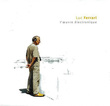
ジョン・ケージを見事なまでにダンス・ミュージック化したファースト・アルバム。生ピアノの旋律やバロックな様式を電子音響の耳で翻訳し、メロディーとグルーヴを立たせた本作は、リュック・フェラーリやヴェイパーウェイヴからの気付きがなければagraphが辿り着いたかもしれない世界……とか妄想してみたり。
中島ノブユキやharuka nakamura……ポスト・クラシカルの顔役たちをコラボレーターに迎え、ポスト・プロダクションとインプロヴィゼーションの可能性を探った3枚組の大作。ピアノを取り巻くさまざまな楽器とフィールド・レコーディングが描写する静寂は、曖昧だからこそ確かにそこに横たわる何かをシェイダー=投射する。
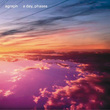
本作に立ち込めるアンビエンスは、それまでの牧歌的なサイケデリアを8年の潜伏期間のぶんだけ煮詰めたような……。ここにあるのは、agraphのディスコグラフィーとも重なる過去作とは似て非なる畏怖の世界。聴覚が麻痺するような得体の知れない音像が隅々まで配された様は、『the shader』が向かった先と遠くはないはずだ。
ドープなダブ・ポエットと耽美なエレクトロニカ、それぞれのスペシャリストたちが交わるとこうなるのか。杉本博司〈海景〉へのオマージュでもある本作が提示したハードコアかつエモーショナルなミュージック・コンクレートが鳴らす陰影とそのうねりは、『the shader』と同様、牧歌性と閉塞感が表裏一体となった快楽への没入を誘う。

GIANT CLAW Dark Web Orange Milk/Noumenal Loom/Virgin Babylon(2014)
ソースとなる音源をオブジェ化し、メロディーやリズムを本来の意味から逸脱させるヴェイパーウェイヴに大きな気付きを得たというagraph。本作はフュージョンやR&B、ジュークまでを陳列しながらその機能を剥奪し、聴き手にとある感情と雰囲気を閲覧させる。その構造は、『the shader』と共通するものだ。
agraph “the shader”

Drawn to a delicate sonic contour, you find yourself in an enigmatic soundscape. Understated yet compelling, the creativity of the piece lures you into an elegant but somewhat eerie journey.
“It’s all about the whole mood.”
After a hiatus of over five years, agraph, a solo project by Kensuke Ushio, has made a return with his third album “the shader.” Picking up where the previous album left off, it shows the established engineer further exploring his interest in contemporary and post-classical music, and his cutting-edge approach makes for deep electronics that evoke timeless romanticism.
“I began making “the shader” on the very day the second album (“Equal” in 2010,)” was being mastered,” says Ushio. “I completed it a few years ago, but then it just felt like a sequel to the last one, so I decided to forget the whole thing. After a while, there was a period when I listened to works by this contemporary composer called Luc Ferrari. Besides him, I began to contemplate 20th-century contemporary music by the likes of Steve Reich. It was from there that I started to move in the direction of this album.”
With an idea of building around contemporary music and combining it with the minimalism of Basic Channel, Ushio conceived the principle of the album.
“There’s a musique concrète piece by Ferrari called “Presque Rien meaning Almost Nothing,”” he explains. “It could now be regarded as a field recording. It made me aware that there’s a link between the unchanged, consistent beats of techno and the lack of sustained sounds in contemporary music. And then, here loomed a haunting idea: music you are not sure that you are aware of. It doesn’t centre on melodies, rhythms or harmonies, but these are used as firewood which fuels the flames of the music. And I wanted to distill that into atmospherics and feelings.”
What’s surprising on first listening to the album is its elaborate if not almost obsessive sound design. Behind its serene pianos floats a rough ambience while melodies dissipate into sub-bass. A collage-like array of sonic fragments comes in and out of the frame, and some of their shapes are oddly crushed and others are lumpy. You can hear them forming a delicate sonic contour in the distance though it turns out to be elusive and enigmatic as you listen more closely. Here, an elegant yet eerie sound journey awaits.
“Take vaporwave. It samples and cuts up 80’s fusion, right?” says Ushio, drawing an analogy between that and his album. “The source itself has clean melodies and its harmonies and beats are intricate. But vaporwave doesn’t focus on that. It’s the textures and atmospherics that keep your interest while listening. That’s what I aimed for. Some dramatic melodies and strong beats appear in the album but it’s just like I put them in as symbolic elements while striking a whole balance in the mix. It’s all about the whole mood. I made the album with a hope that people will feel it. But now that it’s out of my hands, you can enjoy it as you wish.”
“Intangible but highly distinctive”
“the shader” clearly has far more experimental elements than the past two albums did, and it seems that he allows the experimentalism of contemporary music to sparkle in the context of electronic music. He says, however, that he doesn’t seek the newest ideas in response to the current scene.
“I don’t think my music is cutting-edge, but I put into it my personal developments and things that I discover for myself. That is what it’s all about. I don’t pursue contemporary music for inventiveness, but listening to it just inspires me and fuels my creativity like petrol. That is important. Basically, I don’t commit agraph to trends. I can’t. I’m not interested in taking in state-of-the-art beats either. It could have something to do with my other work: doing the LAMA project, supporting Denki Groove, producing for incidental music and other people. These need to follow trends for wider appeal. Instead, I want to make agraph like a division of R&D where I can indulge my every whim.”
Yet, the album is not totally isolated from the current trends, and it certainly has a refreshingly enjoyable mood of 2016. Also, its understated yet compelling class reflects a shift over the last five years: innovative artists like Oneohtrix Point Never and Arca have pushed the envelope of electronic music to their critical acclaim.
“I like electronic music after all and naturally check new releases,” he admits. “The album is partly a result of such listening experience. When it comes to OPN, I felt gutted by his rise (laugh) and thought if there were so many people out there that found that kind of music cool, an album like this would go down well. With that in mind, I even dared to think it could do quite well (laugh).”
As the album unfolds towards the end section, things get more abstract, and the closer, “inversion/91,” is a sparse oddball that stands slightly apart from the rest of the album.
“I’m proud that the last track came out very well,” recalls Ushio. “It helped go into a new realm being unleashed from the initial concept. I was trying to make an intangible but highly distinctive soundscape. I’m happy to have accomplished that with that track, and I expect it to be a starting point for the next album. In that sense, I suppose this is the one that came out of this transition period and has a transient charm I can’t capture ever again. It feels like a new beginning to my career and is so satisfying as I’ve invented something new to me.”