Love City 2015
[ 特集 ]都市インディーの源流
音楽の聴かれ方、表現の仕方が大きく変化した90年代。その幸福な時代を起点に、多様化する〈街の音楽〉など現在の日本のインディー界隈の源流を紐解いてみよう。
cero
野蛮さを孕む街の音楽が、夜を越えて誘う場所

〈影〉からのメッセージ
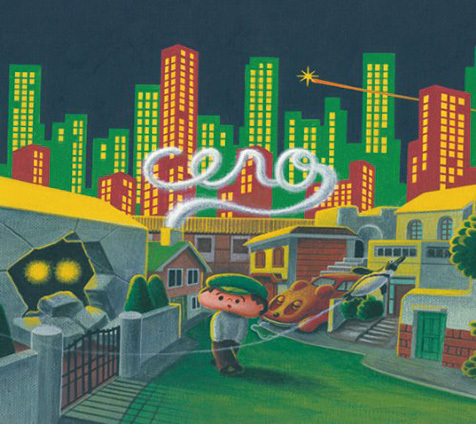
2013年末の“Yellow Magus”、そして、2014年末の『Orphans/夜去』という2枚のシングルが予告していたceroの新たな音楽冒険譚であるニュー・アルバム『Obscure Ride』。光と影が揺らめく雑然とした夜のワン・シーンから彼らの紡ぎ出すしなやかなグルーヴがゆっくりと立ち上がってゆく。
「昨年夏、合宿でアルバム用の新曲を作ってはライヴでプレイするようになっていたんですけど、そんななか、〈影のない人が現れてはメッセージを伝えに来るものの、そのメッセージを受け取ることができない〉という次のアルバムのコンセプトが徐々に立ち上がっていったんです。〈影〉というのは、僕らが想像力を掻き立てられている音楽のブラックネスであったり、生と死や僕らが夜遊びしているクラブの暗がり……そうしたイメージと結び付いたことで、今回、〈影〉という言葉を意識的に使うようになったんです」(高城晶平、ヴォーカル/ギター/フルート)。


言葉の多層性
ceroの創作意欲の拠り所であるエキゾティシズムは、街に渦巻く人間の生命力やその象徴でもあるサウンドのファンクネス、メロウネスへと向けられ、マジック・リアリズムを思わせる幻想的なタッチのその作風は、グルーヴ・コンシャスなものへと劇的に変化した。
「今回、サウンド面でリズムに意識が向かったことで、細かい譜割に言葉を凝縮しながら、ヒップホップのようにフロウさせるアプローチで情報量の多い歌詞を乗せられるようになったんですよ。そこでまずは、自分が得意とする脚本的な描き方で歌詞を書くことにしたんです。その後、作った曲に乗せて歌詞を読み上げながらメロディーラインを導き出して、そのメロディーラインに合わせて言葉を整えていったんですけど、そうすることで小節を跨いだり、独特な言葉のフロウを生み出せたのがおもしろかったですし、日本語の歌モノでそのやり方を実践するのが、自分にとって、今回の作品の一つのテーマでした。非常に難易度が高い作業ではあったんですけど、曲を気にせず、自由に歌詞が書けたし、場所を選ばず、喫茶店や電車の車内で書いたりすることによって、外に繰り出していくような歌詞や、歌詞のテーマである〈移動〉がおのずと導き出されたんです」(高城)。
シングル『Orphans/夜去』でカヴァーした小沢健二『Eclectic』(2002年)収録の“1つの魔法(終わりのない愛しさを与え)”が予告していた通り、メロディーとグルーヴ、そして日本語詞の新たな関係性を提示している本作。“ticktack”や“Roji”、“Narcolepsy Driver”といった曲では語るようなメロディーと歌詞のフロウを披露している高城は、コーラスワークにおいてもいままでにないアプローチを提示している。
「映画『バックコーラスの歌姫』を観ると、海外では歌姫をめざして挫折した人たちが次の段階として、バック・コーラスの役割を担って、大衆音楽を支えている。逆に言えば、日本では〈コーラス〉という重要な役割が軽んじられている気がして。だから、今回、女性コーラスをお願いするにあたって、“Orphans”では一十三十一さんに歌ってもらったんですけど、アルバムではコーラスを専門にやっている人にお願いしたくて、Smooth Aceの重住ひろこさんに参加していただきました。いろんな方向から声が聴こえてくるように、自分なりに研究して、コーラスを重ねに重ねたことで、このアルバムは言葉の多層性も聴きどころの一つになっているんじゃないかと思いますね」(高城)。
ガラパゴス的な音楽性の合流
一方、荒内佑(キーボード/サンプラー/ベース)は作曲を手掛けた“Elephant Ghost”や“Wayang Park Banquet”において、トーキング・ヘッズやヴァンパイア・ウィークエンドをも魅了したアフロビートを独自の解釈で展開している。
「ヒップホップやR&Bのルーツを辿っていくとジャズに行き着くんですけど、ジャズは西洋の音楽とアフリカのリズムが融合したものなので、さらにその根本を辿っていくとアフリカの音楽におのずと行き着くんですよね。そうやってリズムへの興味が最大限に高まっていった時にアフリカ音楽を聴くようになったんです。ただ、そうは言っても、僕らがNYのアフロ・リヴァイヴァル・シーンのように、民族衣装を着て、アフリカ音楽をやるわけがなく(笑)、そこはあくまで現代的に、そして、ちゃんと日本の都市に根ざした人間として、ポップ・ミュージックに昇華したつもりです」(荒内)。
その絶妙なバランス感覚こそがceroを魅力的なポップ・バンドたらしめているのだろう。荒内が90年代マナーのキャッチーなグルーヴを活かした“Summer Soul”を書き上げると、橋本翼(ギター/クラリネット)はリズムやグルーヴに傾倒する2人を見守りながら、メロディーとアレンジの洗練が際立った“Orphans”と“DRIFTIN'”をバンドに提供している。
「リズムやグルーヴをディープに探求していった高城くんと荒内くんに対して、僕は違った角度から2人に寄り添っていったというか。90年代は70年代の音楽がリヴァイヴァルした時代でもあったと思うんですけど、フリッパーズ・ギターや渋谷系を経由して知った70年代の華やかなニュー・ソウルの要素を持ち込んだんです」(橋本)。
「MC Sirafuが叩くスティール・パンにしても同じことが言えると思うんです。東京のインディー・シーンで熟成されたガラパゴス的な音楽性が、アルバムのミックスを担当した橋本くんの不思議なバランス感覚で作品世界に合流しているんですよね」(高城)。
「振り返ると、ceroを始めた頃は、音をローファイに劣化させたりする90年代的な音楽がどこか恥ずかしく感じていました。でも、時と共に過去が相対化できるようになったことで、いまは自分たちのルーツになっている90年代の音楽が、自然と楽曲に反映されるようなった気がします」(荒内)。
野蛮さを含んだ街の音楽
年齢や経験を重ねることで熟成されつつあるceroの音楽性と、厚海義朗、光永渉から成るリズム隊が紡ぐ豊かなグルーヴが一体となってドライヴしていく本作。しなやかで柔らかな乗り心地の全13曲は、夜を越え、リスナーをどこに誘っていくのだろうか?
「僕らは音楽的にも〈Obscure〉というか、曖昧な立ち位置にいるし、詞の世界もフォーカスをぼかしたまま進んでいるところがあるので、『Obscure Ride』というアルバム・タイトルがしっくり来たんですよ。もちろん、シティー・ポップが映し出すクリーンでパキッとした街のイメージもアリだと思うし、バブルの頃の煌びやかな記憶やイメージを再生する装置としてのシティー・ポップは音楽としてよく出来ていると思うんですけど、2015年をパックするとしたら、それだけでは収まらないと思うんですよ。そうではなく、ある種の野蛮さを含んだ街の音楽になったらいいなと思っているんですけどね」(高城)。
[English Translation]
cero’s Obscure Ride
The place where music fraught with the savageness of the street lures listeners beyond the dark of night
Interview & text by Yu Onoda
The message from the ‘shadow’
Obscure Ride is cero’s latest album serving as the new anecdote of his musical adventure that was being foretold in the 2 single releases in the past; Yellow Magus at the end of 2013, and Orphans / Yosari at the end of 2014. The lithe groove they generate rises slowly from a filmic scene of the jungled night decorated with the flickering lights and shadows.
“From around last summer, we started this routine of making new songs at our music camps and play them at live shows, and as we did that, this concept for the new album of [a shadowless figure coming to deliver a message, but (us) not being able to receive that message] gradually came to us. The [shadow] can be things like the ‘blackness’ of the music that rouses our imagination, life and death, or the darkness in a club where we hang out at night... And by connecting with those images, we started to be more conscious about using the word ‘shadow.’” (Shohei Takagi, vocals/guitar/flute)
The multi-layeredness of words
cero relies heavily on exoticism for their spark of imagination which is directed towards the human life force that swirl about on the streets or to sounds of funkiness or mellowness that symbolize such force, and their style of such fantastical touch akin to magic realism has changed dramatically into something quite groove-conscious.
“As we became more rhythm-conscious on the sound-front, we became able to lay more informative lyrics on the music by condensing words on fine subdivisions, taking the approach of making the words flow like in hip-hop. And so I first decided to write the lyrics like writing a script, which is pretty much my thing. Then, I drew out the melody line by reading along the lyrics to the song composed, and then straightened the words to play along with the melody line. It was fun crossing bars or creating unique word flows by doing so. Also, it was one my themes of this album, to put into practice such method in Japanese sing-songs. It was actually an extremely challenging process, but by doing so, I was able to write lyrics with a free mind, and also by writing without being restricted by location, in places like coffee shops or in the train, it was just natural for lyrics that sung about going out, or the theme of the lyrics ‘moving / relocating’, to be derived.” (Takagi)
As was foretold in ‘Hitotsu no Maho (Owari no Nai Itoshisa wo Atae)”, a cover cero did of Kenji Ozawa’s song from the album Eclectic (2002) that was recorded in their album Orphans / Yosaru, the album this time presents a new relationship among melody, groove and Japanese lyrics. Takagi demonstrates speak-like melodies and word-flows in tracks such as ‘Ticktack’, ‘Roji’ or ‘Narcolepsy Driver’, and he also brings up an approach never seen before with chorus works.
“I saw the film [20 Feet from Stardom] and learnt that, overseas, many singers who fail to become the top divas decide to take the role of ‘backing vocals’ as the next step, becoming the ones who support the whole of public music. Putting it the other way around, I feel that the important role of ‘(backing) vocals / choruses’ is undervalued in Japan. On ‘Orphans’, we had singer-songwriter Hitomitoi do the backing vocals, but on finding someone for female vocals this time, we had Hiroko Shigezumi from the a cappella group Smooth Ace for the backing vocal because, on this album, we wanted to have someone who specializes in (backing) chorus. To make it sound like there are voices coming from all sorts of directions, I ran my own research and laid layers and layers of choruses. I think the multi-layeredness of words that comes from that approach is one of the highlights of this album.” (Takagi)
The merge of Galapagosean musicalities
Meanwhile, Yu Arauchi (keyboards/samplers/bass) demonstrates his own interpretation of afro beats that enchanted even the Talking Heads and Vampire Weekend, in “Elephant Ghost” and “Wayang Park Banquet” that he composed himself.
“When you trace back the roots of hip-hop or R&B, you would eventually get to jazz, but because jazz is a result of the fusion of western music and African rhythms, when you trace back even further, you would naturally arrive at African music. And in that way, when my interest of rhythms was at a peak, I started to listen to African music. But not like, in a way that we are playing African music wearing tribal robes like from the Afrobeat Revival scene from New York (laughs). That bit, we made sure it was done in a modern way. And we also made sure that we sublimed it to pop music from the perspective of someone who has his roots in a city in Japan.” (Arauchi)
And that fine sense of balance is the very element that makes cero such an enticing pop band. While Arauchi wrote “Summer Soul”, a track that rides on the catchy grooves in the manner of music from the 90s, Tsubasa Hashimoto (guitar/clarinet) kept an eye over the other two members going deeply into rhythms and grooves to go his way to provide the band with the tracks “Orphans” and “Driftin” of which the melodies and arrangements are exquisitely polished.
“While Takagi-kun and Arauchi-kun were deeply exploring rhythms and grooves, I stayed present with them at a completely different angle. I think that the 90s was a time when music from the 70s saw its revival, and I brought in the glamorous new-soul elements from the 70s that I got to know via the guitar pop band, Flipper’s Guitar or other Shibuya-kei music.” (Hashimoto)
“The same could be said about the steel pan played by MC Sirafu. The Galapagosean musicality that matured in the indies scene of Tokyo is merged into the world of our arts by the mystical sense of balance of Takahashi-kun who was in charge of the mixes of the album.” (Takagi)
“Looking back on when we started cero, we were somewhat embarrassed with the music from the 90s that had a tendency to degrade the sounds to lo-fi. But with the passage of time, we have become able to relativize the past, and I think our music now naturally reflects the 90s music that are our roots.” (Arauchi)
Music fraught with the savageness of the street
This latest album is driven by the music capabilities of cero that matures with age and experience, coming together with the rich groove woven by the rhythm section formed by Yoshiro Atsumi and Wataru Mitsunaga. To where, beyond the dark of night, will the smooth and soft ride of the 13 tracks take listeners?
“From a musical point of view also, we are kind of ‘obscure’, like in a bit of an ambiguous position, and much of our lyrics also develop with the focus blurred, so the album title Obscure Ride really fitted in neatly. Of course the clean and sharp image of the streets portrayed in city-pop is nice in itself, and city-pop used as a device to play out the glamourous memories and images of the ‘bubble era’ is done nicely from a musical point of view. Though, if we were to put the year 2015 into a pack, it won’t be enough with just those. I am hoping that our music becomes the music from the streets that also embraces some kind of savageness.” (Takagi)