【Click here for English translation of this interview】
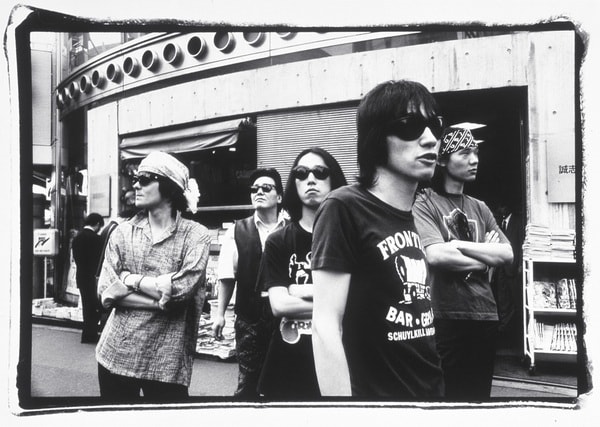
回を重ねるごとにアクセス数がうなぎ登りの連載〈starRoのLos Angeles云々〉。昨年末にstarRo氏がアジア・ツアーのために一時帰国していたということで、このタイミングで本連載のスピンアウト企画として、かねてよりstarRo氏が気になる存在であったというSeiho氏を招いて対談取材を実施! 互いの活動スタンスについてや、Seiho氏の2014年のUSツアーを通して感じたアメリカのクラブ・シーンのいまをstarRo氏の実感を交えて語ってもらったりなど、興味深い内容になっていると思います。両者とも待望の作品リリースが控えている……という情報もゲットしましたので、こちらも期待したいですね。それでは、どうぞ!

2015年は完全に止まったというよりかは、
みんなで1回考えなきゃいけない時期に入ったような(Seiho)
――お2人はいつ頃からお知り合いなんですか?
Seiho「難しいっすよね……」
starRo「僕は(Seihoを)SoundCloudで偶然見つけたんですよね」
Seiho「それはいつくらいですか?」
starRo「フェニックス・トロイ※との曲(“Evning”、Seihoの2013年作『ABSTRKTSEX』収録)がアップされたばかりの頃ですね」
※ロンドンのラッパー。フェニックス・アンド・ザ・フラワー・ガールとしても活動しており、昨年DE DE MOUSE主宰レーベル=notからEP『Nala』をリリースしている。Seiho『ABSTRKTSEX』のほか、Tomgggの2015年のEP『Butter Sugar Cream』にも参加
Seiho「じゃあちょうど3年半とか4年くらい前ですかね」
starRo「そうですね」
Seiho「僕がstarRoさんを見つけたのもそのくらいですね。コズモ※で紹介されていて」
※cosmopolyphonic radio。世界中から次世代のアーティストを発掘&紹介する日本発のポッドキャスト
starRo「コズモは結構早い段階から僕を見つけてくれていたんですよ」
――なるほど、そういう形で繋がっていたんですね。
Seiho「共通の知り合いが多かったりして」
starRo「Metomeくんとかね」
――それで、2014年のstarRoさんの日本ツアーの際に東京で初めてお会いになったと。
starRo「2014年の4月に初めて大阪でライヴをやることになって、その時に出てもらおうと思ったんだけど……」
Seiho「ちょうどアメリカ・ツアーに行っていて※」
※Seihoとマジカル・ミステイクス、And Vice Versaの3組で、シアトル、LA、サンディエゴ、ボルチモアなどを回った
――そうだったんですね。では、お互いの活動をどう見てるのかについて伺いたいのですが、starRoさんは以前インタヴューで、Seihoさんの活動スタイルがとても良いとおっしゃっているのを読んだのですが。
starRo「ソロで活動しつつ、Sugar’s Campaignもやっていたりとか、ポップな方面にも振れているところがいいなと思って。職人的にやる人と、そういうふうにいろんな方向に振れる人とで分かれると思うんですけど、僕もいろんな方向に振れるのが好きなので、それがしっかりやれているのがカッコイイなと思う。そういったバランスはどうやって取っているんですか?」
Seiho「どうやろなー。大阪人やからというわけじゃないんですけど、両面の照れ隠しなんですよね。照れを隠そうとするとああなっていくというか。ソロでやっていくとどうしてもカッコつけるスタイルになるんですよ。カッコつけるスタイルは個人的にも好きなんですけど、ふと振り返った時に、一面だけでおもしろくないなと。それの照れ隠しでSugar’s Campaignがある。リスナーから自分の立ち位置を俯瞰的にすべて見られる状態を作ることによって、両方の照れ隠しになるんですよね。僕のなかではそれがいちばん大きいかな。だからシュガーズのほうでポップなフィールドに行けば行くほど、僕はソロで好きなことができるし、ソロで好きなことをやればやるほど、その振り幅が効いておもしろくなっていく。そういうふうに常に両方持っておかないとバランスが取れないなと」
starRo「Sugar’s Campaignのほうは2人でやっているというのがいいんでしょうね」
Seiho「そうですね。1人だと独断ですべてやっていきますけど、シュガーズでは相談とか、信頼とか、1人でやっていたら絶対に生まれない要素が強く入ってくるので、双方を見直すことができるんです」
starRo「あー、なるほど。あと、(Seihoの)サンレコでのインタヴュー※を読んだんですよ、移動式のスタジオの話。僕自身もショウばっかり入っていると曲を作る時間が取れなくて悩んでいるので、そのアイデアはすごくいいなと思いましたね」
※サウンド&レコーディング・マガジンの2016年1月号の特集〈プライベート・スタジオ2016〉
――その〈移動式のスタジオ〉というのはどういうことなんですか?
Seiho「自宅のスタジオじゃなくて、スタジオを外で借りるというか。2014年にアメリカ・ツアーへ行く前、東京で1か月くらいウィークリー・マンションを借りていたんです。PCと機材、ミニマムなセットなんですけど、スピーカーを持っていけなかったのでヘッドフォンで作業をしていて。移動が多いこともあって、それをきっかけに機材を持ち運べるようにセットを小さくして、それを持っていろんな場所をスタジオにするんです。いま大阪でライヴハウスの上を間借りしていて、そこに機材を入れて作業したりとか。さっきのソロとシュガーズとでバランスを取っている話と考え方は似ていて、僕のなかでひとつの場所に留まることがむっちゃ苦手なんですよ、好きなものにしても。だから音楽を辞めないために常に趣味を変え続けたいというか(笑)」
starRo「あー、わかりますね」
Seiho「自分の音楽の嗜好は変わらないんですよ。でもその自分の音楽を変えないために食べ物を変えたり、食べる場所を変えたりしている。スタジオをコロコロ変えたりしたいのは、どんなスタジオで作っても作る音楽が変わらないことを証明したいからなんです。でもその場所に影響されて変わる部分はめちゃくちゃ大きいんですが、でもそうやって変わるところは〈変わってもいいところ〉で。変化を繰り返していくと、いつの間にか変わらないものが何なのかが必然的に炙り出される。だからスタジオを移動式に変えて、作る時間も変わるし、作り方も変わるけど、出来上がったものを聴くと変わらない。そういうことを確認したいというか(笑)」
starRo「なるほど、それはおもしろいですね」
Seiho「そういうこともあって、僕は拠点というものを作らないことにしました。拠点という考え方がもともと好きじゃなかったんですよ。大阪にいる時も大阪が拠点とはあんまり思ってなくて、いま自分がいる場所が拠点」
――starRoさんはそもそも音楽をするためにLAへ行かれたわけではないそうですが、LAに住んでいるからこそ音楽をやっているという感じなんですよね?
starRo「日本に住んでいる頃は四六時中音楽をやっているという生き方自体にまったく可能性が見えなかったんですね。時代性みたいなものもあるんでしょうけど、LAへ行ったことで〈本当の自分〉みたいなものに向き合う機会があって、それに忠実に生きていける方法が自然と見つけられた。そういう意味ではLAへ拠点を移したおかげ、というのはあると思います。でもLAといっても中心地から車で30分くらい離れた、何もない海の近くに住んでいて、そこにいるのが自分的には良いんですよね。やっぱりライヴや制作をしている場所とはまったく違うところに帰ることでバランスが取れているので。常に自分が属してるところに100%ハマりたくないんです。仕事をする場所で生活もしていたら、パーティーばっかりやっちゃうから。バランスを取るというのは、自分の生活のリズムを保つ意味も含めて大事に思っています」
Seiho「帰る⇔行くって大事ですよね」
starRo「そうなんですよ。でも、移動型スタジオのようにいろいろな場所で作業をしていると、リズムが崩れたりするじゃないですか。自分で制作に気持ちを持っていかなきゃいけないという感じなのか、それとも自然にできちゃったりするんですか?」
Seiho「アメリカ・ツアーの時は仲間と行ったのでアレなんですけど、その後にイギリスとフランスに行って、その時は向こうの作家の人とライティング・セッションをする機会があったんです。そうしたら、そういう時のほうが集中できるなと(笑)。新幹線の中のほうが仕事できたりするじゃないですか、そんな感じっす(笑)。〈2週間しかこのスタジオにいられなくて、しかもあんなに機材運ぶの大変やったからがんばろう〉みたいな(笑)、作らざるを得ない状況を作るというのが大きいですね。starRoさんはどうなんですか?」
starRo「僕はツアー中に制作できないんですよ。それこそアメリカのツアーだと機材車で10時間くらいかけて移動したりしていて、その間は特に何もすることがないじゃないですか。でも(曲作りが)できないんですよ。パソコンを開く気にもならなくって。下手すると音楽も聴かずにずっと外を眺めていたりするくらいで、ツアーに出ちゃうと曲が作れなくなっちゃうんです。自分が作らないのがいけないんですけど……だから悶々とする」
Seiho「それでもいいと思うんですけどね、インプットの時間としてなるべく溜めておく、みたいな」
starRo「確かにそういう面もあるんですよ。常に曲を作れるわけじゃないし。ただ、自分がイメージしているリリースのタイミングがあるじゃないですか。それが物理的に全然追いついてなくて」
Seiho「それは2015年やったからじゃないかという(笑)。ざっくりですけど、2015年ってどうでした?」
starRo「それはかなり深いですよ。僕は2015年、ちょっと遅い感じが……」
Seiho「ほんまにそう!」
starRo「マジっすか(笑)? やっぱ2015年だからかな……」
Seiho「これそうなんだと思うんですよ。2010年くらいに芽生えた僕らがやっている音楽のジャンルが、2013年に1回止まったんじゃないかと。で、2014年、2015年と時間は進んでいくから惰性で動いてはいくんですけど、2015年は完全に止まったというよりかは、みんなで1回考えなきゃいけない時期に入ったような。だから曲を作っても作っても納得できない時期やったんですよ。どんだけ作っても、これはあれと一緒やな、これは別にいまやることじゃないな、とか自分の作りたいものは明確にあるのに、それと世間との折り合いがつかなかったんです」
starRo「あー、それわかりますわ」
Seiho「で、ようやく2016年に入る頃になってポンポンポンポンって、何かが始まったなという印象が」
starRo「あー、僕もまったく一緒ですね。僕は逆に、それこそ3年くらい前はすごいスピード感で、自分も良い波に乗れている感じがあったんですよ。でもそのスピード感に慣れちゃったから、2015年もこれくらいのスピードだろうと思いきや、意外と遅く感じて。それは自分が慣れちゃっただけなのかもしれないけど、アウトプットも3年前だったらどんどん出てくる感じがあったのに、それが2015年の前半はなくて、ちょっと焦ったりもしました。ここ2か月くらいはまた作れそうな感じではあるんだけど、まだポンポンって感じじゃないですね(笑)」
Seiho「でも何か始まりましたよね?」
――具体的に何かが起こったわけではないんですよね?
starRo「まあそういう周期だったんでしょうね」
Seiho「例えばライヴの数が増えたり、普通の生活の営みに則したことだと思うんですよ。バイオリズムとか運命ではなく、東京に来ることが多くなったりとか、そういったことの積み重ねでこういう状況になったんじゃないかと。でも2015年に入ってスピードがガクッと落ちた。2014年くらいにはそういう状態になっていることに気付いてはいたんですけど、ここまで落ちるんやなと。だから僕のなかで2015年は〈なるべく人と喋る〉ということを優先したんですよね」
starRo「なるほど、音楽以外のところで」
――それもいわゆるインプットという意味なんですか?
Seiho「インプットもそうなんですけど、確認作業というか。2016年から始まることも見えていたから、2016年からどの道に行くか、みたいな感じですね。これまでは、2010年にそれまでバラバラで活動していたMetomeくんやMadeggといった大阪の連中とかと出会った、ということが大きかった。でもこれからどの道に進むかを考えた時に――さっきstarRoさんと一緒に曲作りしましょう、みたいな話をしていたじゃないですか、それは僕のなかでは2016年はコラボ年かなというのがあったからなんです」
starRo「あー、コラボというのは僕もそうですね。(他の人とやることで)自分を箱から出したいというのがあるんです。さっきも言ったように、自分のアイデアが一巡しちゃった感じがあるので、それを打開するにはコラボかなと。なので最近ちょろちょろとコラボしはじめているんです。最初は嫌だったんですけど」
――嫌だったんですか!?
starRo「これまでずっと1人で曲を作ってきたので、やっぱりちょっと抵抗感はありましたね」
Seiho「ありますよね。僕もめっちゃありました」
――Sugar’s Campaignはいわばコラボ・ユニット的なものなのかなと思っていたのですが。
Seiho「シュガーズは〈コラボ〉って感じじゃないんですよ。どちらかというと〈運命共同体〉みたいな感じなので、何も言わなくても(Avec Avecには)ほとんど伝わっているし、相手がダメやと思ったものは僕もダメやと感じられるからまったく抵抗感はないんです。でもそれ以外の人とやると……自分のなかには確固たるヴィジョンがあるけど、人とやることによってそのヴィジョンがどんどん目減りしていくようなイメージなんですよ」
starRo「そうそう、まさにそう」
Seiho「他人が入ることによってどんどん自分が理想とする形から変わっていっちゃう、みたいな。それが2015年はいろいろとコラボをさせてもらう機会があって、例えば海外でライティング・セッションに参加したり、矢野顕子さんと一緒に作った※時に、自分より大きい存在と作業をしたことで、〈コラボってこういうことか〉と思わされたんです。ということは、もっといろんな人と一緒にやったほうがおもしろいんじゃないかと。人とやればやるほど、自分が作りたい核が明確になるはずなんです。だから2016年はよりそういうことがやりたいですね」
――ではstarRoさんともぜひ……。
Seiho「やりましょう!」
starRo「やらせてもらいたいですね~」
【Click here for English translation of this interview】
日本はカラオケがあるおかげで、
クラブに行く人口がすごく少ない(starRo)
――では、SeihoさんはstarRoさんの活動をどのように見ていらっしゃいますか?
Seiho「どうなんですか、向こう(アメリカ)って? ハハハ(笑)。でも単純にそれがいちばん気になる! めちゃめちゃ訊かれていることだと思いますけど」
starRo「逆に、アメリカでツアーしてみてどう思いました?」
Seiho「音楽的な話をすると、やっぱりシアトル……でもイヴェントに依るんだよな……インターネット・カルチャーが入ってきているイヴェントは、それこそ韓国のCakeshop※もそうだし、日本のイヴェントもそうなんですけど、全部一緒になったなと。かける曲も、やってることも一緒。それがいいのか悪いのかわからないんですけどね。シアトルでのイヴェントでは特にそう思いました」
※韓国・ソウルにあるクラブ。DJ KENTAROやSeiho、PARKGOLF、TREKKIE TRAXの面々など日本人も含め、海外からのアクトが数多くプレイするほか、地元アンダーグラウンド・シーンのナウなDJ陣が夜ごとパーティーを繰り広げている、ソウルで遊ぶならここへ行け!くらいの場所。いつも混んでる
starRo「ああ、たぶんオーガナイザーに依るんですよね。シアトルのオーガナイザーはアレンですよね? 彼は日本の(インターネット・)シーン、Maltineあたりとかに詳しい奴なので、だから、というのはあると思います」
Seiho「果たして(やっていることが世界的に)一緒になることがいいんかどうか、というのは感じましたね。あとアメリカで感じたのは、スモーキーでビートダウンしたものがウケる。日本にはあんまりなかった感覚でした。僕のライヴのセットは遅い曲から速い曲になっていって、速い曲から一周して遅くなるんですよ。BPMも160まで行って、また80に戻る、みたいなイメージなんですけど、これだとアメリカではウケないですよね。もっと(BPMが)ストンと落ちる時とか、音が減ってきた時のほうが盛り上がる。だから、これまでやりたかったけど日本ではできなかったセットを試せたのは良かったですね」
starRo「日本でライヴをやると、リズムの取り方や音楽の感じ方の面で80%くらいの人が付いていけてないと思う時があるんですよ。トラップもそうなんですけど、〈裏〉で取れないというか、どうやって踊ったらいいのかわからない、みたいな。聴いて育ってきている音楽がアメリカと日本では違うので、そこのギャップはありますよね。さっきのBPMをストンと落とすというのも、落とした時にそこにグルーヴを感じられるかどうかだと思うんですよ。例えばBPM160から80にストンと落ちた時に、その間に隙間があるじゃないですか。そこにめちゃめちゃグルーヴが生まれるので、そうなると人はより動物的になる。でも日本人はその感覚があまりないから、アレ?ってなる時がありますね」
――ノリ方がわからないというのはあるかもしれませんね。
Seiho「トラップの話だとそれが顕著で。4~5年前に〈Low End Theory〉が日本に来た時、その頃はまだトラップがそんなに日本で普及してなくて、むしろジュークのほうが先に来てるくらいだったんですよ。それで確かダディ・ケヴがDJで、マシーンドラムのジュークをかけて、その後に“Amili”(リル・ウェイン)をかけた。つまりBPMが160から80になるんですけど、そう繋いだ時に僕はわかったんです、〈向こうの人って、(BPMを)倍で取ってるんや!〉と」
starRo「あー、そうそうそう」
Seiho「それがトラップの最初の衝撃でした」
starRo「トラップをずっと聴いてきている人はそんなに違和感はないと思うんですけど、いま日本はEDMが全盛期じゃないですか。そういう現場でトラップがかかるとアレ?ってなっちゃうのかも。でもこれからな気もしますね」
Seiho「トラップがこれからって……(笑)、でもみんな結構そう言いますよね」
starRo「単純に3年くらい(アメリカと)ズレてる感じがするから。いまアメリカのEDMの現場ではみんなトラップをかけていて、いまやもうお腹いっぱい気味なんですけど、その波が日本はこれから来るのかなと。でも、(日本人は)トラップがずっと踊れないかもしれないから、そうなると来ないまま終わる可能性もある」
Seiho「でもダブステップと合わせていたりもしますよね。上手くBPM130と合わせている感じのDJも最近増えてる」
starRo「スロウダウン化していますね、確かに」
Seiho「もうひとつアメリカ・ツアーへ行って思ったのは、向こうのほうがイージーな部分が多いんですよね。お客さんの反応も直接的でわかりやすいし。音楽活動をする基盤もある程度出来上がってるから、アメリカのほうがイージーはイージーかなと思いました。ただ音楽の評価に関しては、向こうは人数がおるから相対化されて、良い評価を得られればしっかりした位置には行く。良くも悪くもそれは絶対というのは大きいかな。日本でやってると、やり方は難しいのにこの音楽がこんなに人気が出るのか、とか、こんなに盛り上がってるのにまだそんな売れへんのや、みたいなことが発生する。アメリカはそこがイージーだからこそ絶対的な評価になっているんですよ。評価軸がきっちりしてる」
starRo「確かにそうですね」
――あと、これもパーティーによって違うかもしれないんですが、アメリカは土地によってもノリが良いところとそうでないところがあったりするんですか?
starRo「市民性みたいなものはすごいありますよね」
――東海岸と西海岸とで違う、みたいな?
starRo「そうですね」
Seiho「NYだと〈明日仕事だから〉みたいな感じで普通に帰りますよね」
starRo「NYは厳しいですね。良い時は物凄いですけど、難しいですね。東海岸は全体的にそうかな。音楽にも依ると思いますけど、西のほうがオープンな感じはある」
――市民性が関係しているのか、現在の音楽のムーヴメントはLAから始まるということを聞いたんですが、やっぱり新しいものでも受け入れられやすい土壌があるのでしょうか?
starRo「いまは完全にそうですね、みんなこぞってLAに引っ越してきていますから。NYからも。だから〈(ムーヴメントは)LA発〉という感覚はあります。でも僕はLAに住んでいるから客観的に見られなくなっているところもあるんですけど、LAやその延長上にあるサンフランシスコ以外の所、例えばナッシュヴィルとか、そういうところでやると完全に〈アレ?〉って感じになりますね(笑)。全然通用しないや、みたいな。やっぱり、ある程度〈情報〉は重要なんですよね。ムーヴメントとして起こっていることをあまり知らない状態だと、トレンドの音楽が流れたとしても乗れないというのは世界共通で。いくらアメリカ人はノリがいいと思っていたとしても、実はそうでもなかったりするんですよ」
――なるほど~。ちなみにSeihoさんがアメリカ・ツアーでいちばんおもしろかった場所はどこですか?
Seiho「ボルティモアですね」
starRo「あー、言ってましたね。それはどういうショウだったんですか?」
Seiho「コ・ラ(CO LA)というボルティモアのアーティストと、日本から来た僕らが一緒にやったんですけど、オーガナイズしてくれたシフォンっていうバンドもおもしろくて、ボルチモアに着いたらまずその日に泊まるところへ連れて行かれたんです。そこは僕らが出るショウの出演者のほとんどがルームシェアして住んでいるようなところなんですよ。楽器とかも置いてあるので、そこでみんなで作業して、その後にショウに行って。ショウではセンチネル(SENTINL)っていうナイト・スラッグス関連と仲の良い奴がユリの花を持ってずっと踊っていたり(笑)」
――去年、Red Bull Music Academyのカラオケ館でやっていたイヴェント※で、Seihoさんもユリの花を片手にDJしてましたよね!?
※〈RBMA PRESENTS LOST IN KARAOKE 2015〉。昨年10月に東京・上野にあるカラオケ館上野本店の7つのカラオケ・ルームでさまざまなDJ陣が同時パフォーマンス。その模様をライヴ・ストリーミング配信したセンスが良すぎるイヴェント
Seiho「そうです、そうです。僕も日本でそういうことをやっていたので、アメリカへ行ったら〈おんなじことしてる奴おんねや(笑)、すげえな〉と思いましたよ」
――ハハハハハハ(笑)。
Seiho「あと照明なんかも自分たちで持ち込んで、〈俺らは赤と青のライトが好きや〉とか言って点けたり……そういうのがいいなと思って。コラも卓上の電気スタンドひとつだけでそれ以外の照明は全部消してもらっていて、その唯一の電気スタンドもショウの真ん中あたりで消して、真っ暗のなかでやったりしていたんです。あと、ライヴのラストにティッシュペーパーをみんなに配るんですよ、よくわからないんですけど(笑)。そういった手の届く範囲の演出というか、僕はもともとそういうことが好きなので、いいなと思いましたね。これはアメリカの話と関係ないんですけど、2000年あたりからオーディオ・ヴィジュアル・ブームみたいなものがあって、日本だと過剰にオーディオ・ヴィジュアルが注目されて、逆に音はどんどん単純化していくという傾向がありましたよね。僕はそういうことにあんまりしっくりきていなかったので、音楽をより複雑にするために演出をなるべく身近にしていく方向で考えていたから、ボルチモアへ行ってティッシュペーパーを配っているのを見た時に、〈こういうことか……〉と思いましたね、ハハハ(笑)」
一同「ハハハハハハ(笑)」
――そのティッシュペーパーは配られるだけで何も起こらないんですか?
Seiho「でもそれが……なんか綺麗なんですよ」
starRo「シュールな感じですよね」
Seiho「そのシュールさが過剰じゃないところもいいな~と」
――でもSeihoさんは衣装もそうですし、ユリを持ってDJしたりといった独特の世界観を持っているから、海外でも注目されやすいですよね。
Seiho「ハハハハハ(笑)」
starRo「そうそうそう、絶対そう。やっぱりキャラは大事ですよ、いろんな意味で」
――海外での活動も増えているようですし。
Seiho「いやいや全然そんなことないです。もっと行きたいですね、2016年は」
――全然話は変わるのですが、日本でSoundCloudを利用しているリスナーはよっぽどの音楽好きくらいしかいないのでは……という状況で、本当にもったいないと思うんですよね。
starRo「SoundCloudはほとんど使われていないですよね。インターネットの力は日本のほうが弱い感じがします。SoundCloudのユーザーの比率を教えてもらったんですけど、日本は全体の1%にも満たないそうです。日本って、世界でも5本の指に入る音楽市場じゃないですか。それを考えるとかなり低いですよね。アメリカとヨーロッパがほとんどを占めていて、日本はその他のなかに入る」
――そうなんですか……。音楽に興味がない国ではないのに、なぜでしょう。
starRo「単純に、SoundCloudにあがっている音楽へのニーズがないってことですよ」
Seiho「だと思います」
――つまりそういうことですよね(泣)。
starRo「日本にはカラオケ文化があるので、それが日本の音楽を牽引していると思います。売れる曲も、カラオケで自分が歌えると思った曲を買うわけじゃないですか。SoundCloudにはそういう曲はあがっていないわけで、やっぱり作り手もカラオケで歌えるような曲を作っているだろうし。カラオケがあるおかげで、クラブに行く人口がすごく少ない」
Seiho「アメリカだと逆にクラブがカラオケですもんね」
starRo「そうなんですよ。友達と飯食って、これからどこ行く?ってなると、クラブへ行きますからね。そこの違いです。さっき言っていたカラオケ館でのRBMAのイヴェントがそれを象徴してると思いますよ」
――わ、確かに……! でもあれは悔しくなるほどおもしろかったですね。ということで、そろそろ締めに入ろうかと思いますが、お2人の今後の予定などを伺えますか?
Seiho「3月にUSツアーを予定しているのと、5月にはソロで3作目のアルバムをリリースする予定です※」
※詳細は今後発表されるとのこと
――Seihoさんのソロ作については、次いつ出るんだろー?と思っていたので楽しみです!
starRo「(前作『ABSTRKTSEX』から)しばらく経ってますもんね」
Seiho「しばらく経った、ほんまに」
starRo「ところでDay Tripper※はどうしてるんですか?」
※Seihoが2011年に立ち上げたレーベル。これまでに自身の作品のほか、MadeggやRyuei Kotoge、マジカル・ミステイクスなどのCDやカセット作品をリリースしている
https://soundcloud.com/day-tripper-records
Seiho「Day TripperはPARKGOLFの『Par』を去年の4月に出してから止まっていて、今年のリリースは考えているんですけど、レーベル運営より他にやりたいことも増えてきてるので」
starRo「アーティストがレーベルをやるって難しいですよね。やっぱり自分(のアーティスト活動)を優先すべきじゃないですか」
Seiho「それこそ2010年に共感して出会った面々とイヴェントをやったり、僕がレーベルをやったりして一緒に動いていたんですけど、2015年になるとそういう人たちとちょっとずつ会う機会が少なくなって、また違う人たちと出会うようになった。これを寂しいと捉えるのか、新しい出会いと捉えるのか、それは人それぞれやと思うんですけど、そういう時期やったなーと」
starRo「僕はいまちょうど2つ(の作品を)やっていて、ボスコという女の子とのユニットと、自分個人のEPのリリースを予定しています。自分の作品はどうしても後回しになっちゃうんですよね。僕的にはいろんなものを混ぜた作品を作りたいので、Soulectionとは別のレーベルから出すことになると思いますよ」
Interviewed and written by: Naoko Kato
Traffic growing by leaps and bounds with every episode, the series by the LA-based Japanese producer starRo that delivers the latest whatabouts and howabouts of the US music scene, proudly presents you with a one-off spin-off interview ―we hooked starRo up with beatmaker & DJ Seiho ―who is planning a new release from Leaving Records this May and who appeared in the [Low End Theory] as well as an event organized by Stones Throw
(Interview held in December 2015)
Not a full-stop ― 2015 was the year we entered a time for reconsideration (Seiho)
――How long have you two known each other?
Seiho: That’s hard to say…
starRo: I just came across Seiho on Soundcloud.
Seiho: When about?
starRo: Just around when the track with Phoenix Troy(*) (“Evning with Phoenix Troy”, on the 2013 album, “ABSTRKTSEX”) was uploaded to the service.
* Phoenix Troy – London-based rapper. Also vocalist for the audio/visual project Phoenix and the Flower Girl, who released the EP “Nala” from [not records], the label ran by DE DE MOUSE. Other than Seiho’s album “ABSTRKTSEX”, he has also taken part in the production of Tomggg’s EP”Butter Sugar Cream”.
Seiho: So that’s about 3 and a half to 4 years ago.
starRo: Yeah.
Seiho: That’s just about when I discovered starRo-san too. They were talking about you on cosmo (*).
※cosmopolyphonic radio - Japanese podcast that digs up and introduces next generation artists from around the globe.
starRo: cosmo seemed to have had their eyes on me from when I was still in my early days.
――Right. So that’s how you connected.
Seiho: And we had mutual friends too.
starRo: Like Metome.
――And you guys met for the first time in Tokyo in 2014 at starRo’s tour in Japan?
starRo: Well, I tried to have him on the stage with me when I was doing a show in Osaka for the first time in April of 2014, but…
Seiho: I was away for a tour in the US.(*)
* Seiho toured the cities of Seattle, LA, San Diego and Baltimore etc. with Magical Mistakes and And Vice Versa.
――I see. Now, we’d like to know how you see each other’s activities. There was an interview I read before with you, starRo, commenting on how cool you thought Seiho’s style of performing and putting out his works is.
starRo: While working on solo stuff, he also serves as member of Sugar’s Campaign(*), being flexible enough to cover the pop stream too –that’s pretty cool. I think there are two types of people; those who work more as a specialized craftsman, and those who branch out to various directions. I’m the type who likes branching out, so being able to do that down to the ground like he does, to me, is really cool. How do you manage to keep the balance?
*Sugar’s Campaign: Pop unit formed by Seiho and his close ally, Avec Avec
Seiho: Err, I dunno. I don’t think it’s specifically because I’m from Osaka, but perhaps it’s a way to cover my embarrassment for each side. It’s the result of trying to hide my embarrassment. When you’re doing things solo, you can’t help getting into this mode of acting cool. Personally, I do like this acting-cool mode, but when you actually look back on it, it just gets a bit boring because there’s only one side to it. So, that’s where Sugar’s Campaign comes in; to cover my embarrassment. Being able to take a comprehensive view of how the listeners see you helps cover the embarrassment I have in both positions. I think that’s what works for me the most. That’s why the more pop I get when I’m doing things at Sugar’s, I feel free to do whatever I like when I’m going solo, and the more I get to do the things I want to when I’m solo, it gets all the more interesting working from extreme to extreme. I guess I need the both of them at all times to maintain the balance.
starRo: I guess Sugar’s Campaign works well in the sense you’re doing it with the two of you.
Seiho: Yes, I would say so. When you’re working by yourself, it’s entirely on yourself to decide on things, but in Sugar’s, there are these elements that would never be alone, -like discussions or trust etc. You get to make readjustments for both sides.
starRo: Right, understand. Meanwhile, I read about your mobile studio on Sound & Recording Magazine. I’m always struggling to find time to make music because of constantly playing shows, so I thought it was a great idea.
※Special Feature [Private Studios 2016] on Sound & Recording Magazine: January 2016 Issue
――Could you elaborate on that ‘mobile studio’?
Seiho: It’s not a studio at home. It’s like borrowing one elsewhere. Just before I set out for the US tour in 2014, I was temporary residing in a weekly rental condo in Tokyo. And there I was, working on a minimal studio set with only my computer and a bit of equipment. Also, because I couldn’t bring the speakers, I had to work with headphones. Since I am frequently on the road, from then on, I’ve been reducing the amount of equipment to make the studio set a portable size, and converting the various places I visit into a studio. For instance, I’m currently renting a place right above a live venue in Osaka, so I’ve brought in my equipment and can do my stuff there. The approach is similar to what we just talked about ―about keeping the balance of doing solo stuff and also being part of Sugar’s. It’s just that I’m so not the one who’s comfortable staying in one place. Not just for places, but things I like too. So, in order to carry on playing music, I want to constantly keep changing my favorite pursuits.
starRo: Oh absolutely. I can totally relate to that.
Seiho: It’s not like changing my musical tastes. But I change what I eat or where I eat ―in order to keep my music consistent. The reason why I’m studio-hopping is because I want to demonstrate that my music always stays unchanged, no matter what studio I work in. Of course there are bits that change by being influenced by the place itself, but those are the parts that ‘are okay to change’. By constantly going through changes, you eventually get to the filter out what remains unchanged. So, yes I can make my studio travel, the time necessary to make music changes, as well as the method, but when you listen to the outcome, you notice that actually, nothing’s changed. I think that’s what I want to reconfirm.
starRo: Interesting.
Seiho: So, for that reason too, I’ve decided not to have a fixed hub and go non-based. I hadn’t been very keen on the idea of being based somewhere at the first place. When I was in Osaka too, I didn’t think of Osaka as my hub. Wherever I am now, that’s my base.
――I heard that the original reason you (starRo) set out for LA wasn’t initially to play music. Though now, is it that you are playing music all the more because you are living in LA?
starRo: When I was still in Japan, I just couldn’t see any future potential in a life of being involved in music day and night. Perhaps it had something to do with the trends of the time too, but by setting my foot in LA, there were so many opportunities to face up to my ‘true own self’, and I spontaneously found a way to live truly to what I really was. In that sense, I’m thankful to relocating to LA. But where I live is actually about a 30minutes drive from central LA. It’s a place close to the ocean where there’s pretty much nothing around, but to me, it’s all good. I guess I’m keeping my balance by situating myself somewhere completely away from where live gigs and production work happens. I don’t want to be 100% fixated on where I usually belong. If I were to lead my daily life at the place where I work, it would all be parties every day. I place high value on keeping my balance, and also to maintain my rhythm of daily life.
Seiho: The movement of ‘going home ⇔ getting there’ is important, isn’t it?
starRo: Yeah, absolutely. But when you’re working in various places like in portable studios, I’m imagining that your life rhythm gets messed up. Is it like you force yourself to focus heavily on the production work, or is it something you can do naturally?
Seiho: When I went on tour in the US, I had the team around me, so I can’t really say. Though, after that tour, I had a chance to go to the UK and to France, and do writing sessions with the songwriters over there. I noticed that I was concentrating more on those occasions. It’s like being able to work more efficiently on the Shinkansen (bullet train), ―you see what I mean (laugh)? Like, you have only 2 weeks, and you still had to go through that much hassle to get the equipment in. You know you got to flog it (laugh). Putting myself in a place where I am required to get the production going may be working well for me. What about you, starRo-san?
starRo: I can’t get myself to do production works while on tour. I mean, exactly like when you’re on tour in the US ―you’re headed to locations 10hours away on a car with all the equipment, but you still can’t get yourself to make music. I can’t even get to open my computer. At the worst, I’m not even listening to any music ―just looking out of the window. So basically, I just can’t make tracks when I’m on the road. I know it’s really up to me and I should, but I just can’t… so it’s really frustrating.
Seiho:I think that’s okay too. It’s like saving that time for 'inputs'.
starRo: Yes, you can actually put it that way too. You can’t make songs/tracks 100% of the time. But there are these timings you have in mind that you want to put out a release. And to those, I get physically behind.
Seiho: Maybe that’s because it was the year 2015 (laugh). Roughly speaking, how was 2015 for you?
starRo: That’s a deep question. To me, 2015 seemed a bit slow.
Seiho: Straight up!
starRo: You must be joking! You too? Well, it must be the year 2015 after all.
Seiho: I really think so. The genre of our music that developed in 2010 once stopped, I think, in 2013. But then, because in the meantime time wouldn’t stop and simply goes forward, counting 2014 to 2015, it kept moving by force of habit, so rather than 2015 being a year that brought us to a full stop, I think that it was the year we entered a time where we need to reconsider things. That’s why we couldn’t see the light, no matter how much we were making music, track after track. Whatever we made, we would think, ‘oh, it’s so similar to that’ or ‘this isn’t what I need to be doing now’. Like you have a clear vision of what you want to produce, but couldn’t get it to come to terms with public trends.
starRo: Oh, I’ll drink to that.
Seiho: And then all of a sudden in 2016, all these things start to pop up, as if it’s a start to something.
starRo: I totally agree. But I was more on the opposite. I was feeling that 3 years ago, things were moving so fast and that I was riding on the good tides of those times. But because I got so used to the speed of how things went, I expected things to move in the same speed even in 2015, which turned out to be surprisingly slow. Maybe that was because I was too used to things, but even for the production outputs, what felt to flow out from me 3 years ago, all of a sudden was gone and I didn’t have a single piece in the first half of 2015, which was a bit frustrating. I have finally come to feel like I’m back in the production mode over the last 2 months, but not like things popping up yet.
Seiho: But something has started, right?
――So, it’s not like something specific happened, is it?
starRo: It might have been more the cycle of things for me.
Seiho: For instance, an increase of live shows is something within the reach of normal acts of life. Not anything to do with biorhythms or fate, but rather a result of frequenting Tokyo visits etc. I think that such incidents build up and result in current consequences. But then all of a sudden, the speed dropped dramatically in 2015. I kind of had the hunch of how things were in around 2014, but was surprised at how much things can lose its steam. I guess that’s why, for me, the priority in 2015 was to ‘speak with people’.
starRo: Right. So, to focus in areas that are not music.
――Is that also for the purpose of gaining ‘inputs’?
Seiho: Inputs too, but rather to nail things down. I knew what plans lay ahead of me in 2016, so I wanted to confirm which path I was to take from 2016. Before, the meet-up with familiar folks from the Osaka area like Metome (sound/art mixture performer) or Madegg (Kyoto-based producer/trackmaker) whom until 2010, I used to work completely separately, was the important inspirational events. But now, thinking about the path I’m about to take from here… Remember the way we got into talking about making songs between the two of us? That’s because I’m envisioning 2016 to be a year for more collaborative works.
starRo: Me too, when it comes to collaborations. I want to get myself out of the box (by working with other people). Like I said, I feel like all my ideas has taken one big round, and I’m thinking that collaborations are the way to break through. So, I’ve actually started a bit, though I can’t say it was my favorite thing to do from the beginning.
――You didn’t like collaborating?
starRo: I’ve been making music all by myself until now, so naturally, I was a bit disinclined at first.
Seiho: Yeah, I understand. I felt the same way too, immensely.
――I was under the impression that Sugar’s Campaign was more like a collaborative unit.
Seiho: Sugar’s~ isn’t really a ‘collaboration’. It’s more like ‘sharing the same boat’. He (= the other half of the twosome, Avec Avec) will know what I’m trying to tell him without me saying anything, and whatever he says ‘no’ to, I naturally share that thought too, and there’s absolutely no feeling of disinclination there. But when it comes to working with anyone else… I have this image of my certain clear-cut vision getting eroded by the second.
starRo: Yes, yes. Absolutely.
Seiho: I used to think that if you have someone else involved, the whole thing starts going a different direction from your ideal. However, I was gratefully given opportunities to be involved in many sorts of collaborative works, and I learnt from those experiences of working with artists higher above than myself, like taking part in writing sessions overseas or making music with Akiko Yano (high-profile pop/jazz musician and singer), what true collaboration works are like. Which led me to thinking that, perhaps, it’s more interesting to work with many more people. The more I work with other people, the more the core that I want to establish myself would become clarified. I hope to do so much more of those in 2016.
starRo: Yes lets. That would be great.
Because of Karaoke, there are so little people going to clubs in Japan (starRo)
――So in return, how do you see starRo’s activities, Seiho?
Seiho: To be honest, what’s it like being in the States? Ha ha. Actually and simply, that’s what I’m most interested to know about! I know you’ve been asked the same question over and over though.
starRo: Well, what did you think actually touring the US?
Seiho: Musically, it was Seattle that… well, actually it depends on the event so I can’t really say… For any event where the internet culture has settled in, just like the event at Cakeshop(*) of Korea, as much as in Japan, they are more or less the same now. The tracks I play, or the things I perform. I don’t know if that’s a good thing or not, though. And I felt that way the most at the show in Seattle.
* Cakeshop: Club/live venue in Seoul, Korea. Added to the stream of acts from around the globe, including many Japanese artists such as DJ KENTARO, Seiho, PARKGOLF or members from TREKKIE TRAX, the venue welcomes the latest DJs from the local underground scene who indulge in hosting nightly parties. A place for any nightlife enjoyer should visit in Seoul. Packed, always.
starRo: Oh, I think that also depends on the organizer of the event. Alan, right? The organizer in Seattle? He’s really well-educated of the Japanese (online) scene or music/artists from Maltine label etc., so that might be the reason you felt that way.
Seiho: I wasn’t quite sure whether it was a good thing or not ―that the things I was doing were becoming all homogenized, wherever I am in the world. Also, I found out that tunes that had a smokier feel with low-mid tempo beats won wider appeal. It’s something I never really felt in Japan. My live-set usually starts off with slower tunes and then moves on to faster tunes, then from faster tunes, comes back to the lower tempos. BPM would generally rise all the way up to 160, and then come back down to 80, but that flow doesn’t seem to appeal to the audience in the States. Rather, they warm up more to moments when the BPM drops sharply, or when the sounds are on the decrease. It was great to be able to try out sets I was never able to in Japan, even though I had wanted to in the past.
starRo: I sometimes feel that about 80% of the audience are finding it hard to keep up with the show in terms of the way they get into the rhythm or the way they feel the music. Like in the way with trap music, it seems hard to pick up the 'upbeat' making it even hard for them to dance… The music people grow up listening to are different between US and Japan, I guess that’s how this difference comes about. That sharp BPM drop you just mentioned, I think it’s got more to do whether the listener can feel the groove at that very moment. You know how there’s this momentary gap when you drop the BPM, for example, from 160 to 80? A really intense groove emerges there, and that’s when people become more ‘animalistic’. But in the case of the Japanese, that’s a sensation they’re not much familiar to, so they kind of get lost ―like, ‘err…what??’
――Not being able to catch the groove ―yes that might be the case to a certain extent.
Seiho: And that becomes pretty obvious with trap music. When [Low End Theory] arrived in Japan 4, 5 years ago, trap wasn’t that prevalent in Japan, and instead juke was taking a few steps ahead to it. And I remember Daddy Kev playing a juke tune by Machinedrum, then moving on to “Amili” (Lil Wayne). That means the BPM drops from 160 to 80, and it was when those 2 tracks were connected that way, I realized that ‘people over there are picking up the BPM in double.
starRo: Ah, yes. Yes, that’s true.
Seiho: And that was the first bombshell dropped on me by trap music.
starRo: Anyone who’s been listening to trap all this while may not find it that strange, but you know how EDM is such the thing in Japan now? So when a trap tune plays in places where EDM is the focus, people tend to get into that ‘err…’ mode, perhaps. But who knows, it (trap) might be just around the corner now.
Seiho: Just around the corner? You mean, trap…? (Laugh) Well, yes, many people say that.
starRo: Well, simply because Japan is about 3 years behind them (the US), I think. Now, people are playing trap at every EDM kind of venue in the States now, and they’re getting kind of fed up with it. I think that wave will hit Japan in the near future. Still, it might be that (Japanese) people won’t be able to dance to trap music forever, and if that’s the case, the wave may never roll in.
Seiho: But they seem to combine trap together with dubstep. We’re seeing more DJs who can play the set nicely in conformity with BPM 130 tunes.
starRo: Yeah, it is ‘slowing down’ as you say.
Seiho: Another thing I felt with the US tour was that, things are so much easier and simple over there. The responses of the audience are more direct and easy to grasp. I guess it’s because they have a relatively longer-built foundation for musical activities, which all in all results in the stronger easiness. But because they have such a big pie of listeners, the evaluation gets relativized. That means, if you 're valued highly, you reach a certain status. For good or bad, an absolute evaluation leaves a pretty big impact. If you’re playing in Japan, it can be complicated ―like a certain type of music getting really popular despite the obscurity of it, or perhaps some kind of music seen to be catching so much momentum, but not actually selling much. The US, I think, takes things so much easier, which is why the evaluation gets relativized, even more so. They have a pretty strict evaluation axis.
starRo: Yes, that’s true.
――Now, this may depend on the (kind of) party/show, but are there differences with how people respond and get hyped up, based on the area in the US?
starRo: There is a strong sense of local character.
――Like the difference between the East coast and the West??
starRo: I would say so.
Seiho: In NY, for example, people would simply head home saying ‘oh, I have work tomorrow’.
starRo: It’s stricter in NY. When it’s good, it’s great, but it’s tough nonetheless. Perhaps that can be said about the East as a whole. Though it depends on the type of music, the West seems to be more open in general.
――Maybe this may have to do with the nature of each local character, but I’ve heard that the current movements in music usually start from LA. Do you think that LA has a more accepting culture?
starRo: Now, totally. Everyone is flocking in to LA, even from NY. So yes, there is this sense of ‘(movements) starting from LA’. There is part of me, though, not being able to see things in an objective fashion because I actually live in LA, but when you play anywhere that is not in LA or SF that is considered an extension to LA, for instance, like in Nashville, you get completely driven in to this ‘err, are we okay?’ mode. Like, ‘okay, we have zero effect here’. [Information] is vital, to a certain degree. Unless you aren’t up to what’s happening as a movement, you won’t be able to get on with the music that is of the trend of the times, and that’s something universal. You may think that the Americans are great at getting into the groove, but that’s not always the case.
――I see. Speaking of which, which place did you (Seiho) find the most interesting through the US tour?
Seiho: Baltimore.
starRo: Oh yes, you were saying that. What was the show like then?
Seiho: We performed with a local artist from Baltimore called COLA, but the band that organized the event, Chiffon, they were really great fun. The first thing they did on the day we arrived at Baltimore, was to take us to the place where we were to stay that night. It was like a huge shared apartment where all the people who we were to perform with were living. There were instruments there too, so we would do our things there, and then head to the show. And then at the show, this guy close to the Night Slugs lot would be dancing the whole time with a lily in his hand (laugh).
――I believe that you (Seiho) were also DJin with a lily in one hand at a Red Bull Music Academy event(*) held at a karaoke joint.
*〈RBMA PRESENTS LOST IN KARAOKE 2015〉 -An event of DJs playing at 7 separate rooms of a karaoke shop in Ueno of Tokyo, held last October. A stylin’ event that even live-streamed the performances.
Seiho: Yes, yes I did. That was something I was usually doing in Japan, so I was completely blown away to see someone doing the same thing in the US (laugh). Also, they brought in their own lighting gear, turning on the lights saying ‘we like the reds and blues’… Things like that were cool. COLA also had his own setting with only one desk lamp turned on, and everything else turned off. And even this very single desk lamp was turned off midway of the show, and he performed in pitch darkness. And then, for some reason I don’t know why, they would hand out tissue paper at the end of the show. Those kind of ‘accessible’ performances are the kind of things I personally like myself, so I was moved with those. Oh, and this doesn’t actually relate to the US, but you know how there are these ‘audio-visual’ booms that came into the scene from around 2000? In Japan, the audio-visual elements were getting over-highlighted with the audio/sounds. on the other hand, were getting more simplified. I found that weird, and was thinking of the approach of making performances more casual and accessible in order to make the music more complicated, so when I saw tissue paper being handed out in Baltimore, it just fell in to place, like ‘oh I see, this is how it should be….’ Ha ha (laugh).
All: Ha ha ha ha ha!!
――So, what happens to those tissue papers? Are they used in any way?
Seiho: Well (no)… but still there’s beauty in it.
starRo: Kind of surreal.
Seiho: And they don’t overdo it ―the surrealness― and that too is the beauty of it.
――Seiho, you have this own world of yourself as seen in your costumes or the performances like holding a lily in your hand when you DJ, which makes it easier to attract attention from overseas.
Seiho: Ha ha ha ha ha!!!
starRo: Yes, yes. Definitely. Characters are important, in various ways.
――And you seem to have increased your activities overseas.
Seiho: No, I wouldn’t say that at all. I would love to go abroad more in 2016.
――Now, changing the subject completely, it seems like SoundCloud is used only by the extreme music fans here in Japan. I think it deserves so much more than that.
starRo: SoundCloud seems to be used only scarcely here. The power of the internet seems weaker here in Japan. I was once told the user demographics of SoundCloud users, and learnt that Japan accounts less than 1% of the whole user group. The music market of Japan ranks within the top 5 out of the whole world, so taking that into consideration, that percentage is really low. The US and Europe dominates the pie, and Japan is seen as one of the ‘rest’.
――Really? It’s not like we’re a nation who doesn’t have interest in music… I wonder why.
starRo: I think it’s simply that the music uploaded to SoundCloud doesn’t meet the demand of the Japanese.
Seiho: Agree.
――I see. That’s a shame…
starRo: In Japan, there’s the karaoke culture, which I think is what’s pulling forward music in Japan. People have a tendency of buying songs they think they’d be able to master in karaoke, and they seem to sell well indeed. You won’t see much songs like that on SoundCloud. The writers of those songs are probably making music in a way it is easy for people to sing in karaoke, and because of karaoke, there are so little people going to clubs in Japan.
Seiho: And in the US, that would be the opposite. The clubs act as the karaoke in US.
starRo: So true. Let’s say you had dinner with a friend(s), and think of where to go next, you’d usually end up going to a club. That’s the difference. The RNMA event just mentioned that took place at a karaoke chain symbolizes that.
――Wow, that makes perfect sense… To be honest, that event was fantastically enjoyable, Well, I guess it’s time to wrap up now. Can you tell us about your plans for the near future?
Seiho: I’ll be releasing my 3rd solo album ”Collapse” from Leaving Records in May.
――So glad to hear that because I’ve been wondering when your next solo release would be.
starRo: It’s a while from your previous release ”ABSTRKTSEX”, right?
Seiho: It is, indeed.
starRo: Oh, by the way, how are things with Day Tripper(*) nowadays?
* The label launched by Seiho in 2011. Apart from his own works, the label has released CDs by Madegg, Ryuei Kotoge or Magical Mistakes, as well as other cassette tape recordings.
https://soundcloud.com/day-tripper-records
Seiho: There hasn’t been a release from Day Tripper since PARKGOLF’s “PAR” last April. I’m thinking of releases to be made this year, but then, I am having more I want to work on, other than running a label.
starRo: It’s hard for an artist to run a label, isn’t it? You end up having to prioritize your own works as an artist.
Seiho: To prove that, I used to host events with the people who I met and connected with in 2010 and also ran a label working together with them, but entering 2015, I began to see less of them, and started to see different people. It really depends whether you want to take that as something sad or as new encounters/opportunities, but anyhow, that was simply how it was.
starRo: I’m currently working on 2 projects ―a unit with a girl called Bosco, and my own EP I hope to release. My own works tend to be put to wait. Personally, I want to make my work blending in various elements, so I think I’ll be releasing it from a label other than Soulection.