【Click here for English translation of this page】
噂のスーパー・バンドがいよいよファースト・アルバムを完成! 6つの個性をぶつけ合うことで刻々とメタモルフォーゼしていく楽曲群――その〈メタ〉な制作過程を3人ずつの証言から紐解いてみよう


高橋幸宏 × ゴンドウトモヒコ × LEO今井
(インタヴュー・文/村尾泰郎)
高橋幸宏、小山田圭吾、砂原良徳、TOWA TEI、ゴンドウトモヒコ、LEO今井。世代を越えて豪華なアーティストが集結したスペシャルなバンド、METAFIVEがついにオリジナル・アルバム『META』を完成させた。もともとは高橋幸宏のコンサート〈TECHNO RECITAL〉のために結成された一夜限りのバンドだったが、その後、フェスにも出演。コーネリアスが手掛けた『攻殻機動隊 新劇場版 O.S.T.』に高橋幸宏 & METAFIVE名義でオリジナル曲を提供するなど、次第にバンドとして成長していった。そして、満を持して届けられた本作はエレクトロニックでダンサブル。メンバーの個性がぶつかり合い、突然変化(メタモルフォーゼ)するメタなサウンドでテクノの歴史に新たな1ページを加える傑作に仕上がった。今作はどのように生み出されたのか。高橋、ゴンドウ、LEOの3人に訊いた。
――このバンドを結成した時から、いつかオリジナル・アルバムを、という思いはあったんですか?
高橋「いや、思ってもいなかったですね。〈TECHNO RECITAL〉をやった後、フェスに呼ばれたりしたんですが、回を追うごとにバンドとして良くなってきて。〈攻殻機動隊〉のイヴェント(2014年11月に日本科学未来館で開催された〈GHOST IN THE SHELL ARISE“border:less experience”sounds curated by CORNELIUS〉)の時がベストだった。それで僕がFacebookの書き込みか何かで〈すごい良いライヴができた。まだここで止まるようなバンドじゃないと、僕は信じたいと思います〉みたいなことを書いたら、TEI君も同じように考えてたみたいでリツイートしてくれて。だからといって、そこで〈アルバムを作りましょう〉っていう具体的な話が出たわけじゃないんですけど、年明け(2015年)にみんなで会った時は、なんとなくアルバムを作る雰囲気になっていたんです」
LEO「小山田さんが作った“Split Spirit”(『攻殻機動隊 新劇場版 O.S.T.』に収録)っていう曲で、初めて6人で共同作業をしたんです。その後に〈攻殻〉のイヴェントがあったんですけど、みんな創作意欲が刺激されてたんじゃないでしょうか。1曲だけじゃもったいない。あともう1曲、もう1曲……って想像しているうちにアルバムを作りたくなったんじゃないかと思います」
――最初のミーティングではどんな話を?
高橋「ひとり2曲責任を持とうと。それは2曲作るということではなく、今回は曲のデータをみんなに回して、それぞれが音を足したり引いたりしていくという作り方だったんですが、曲を出した人が最後の仕上げの責任を持つことにしたんです」
――サウンドの方向性について話し合ったりはしたんですか?
高橋「基本的に自由なんですけど、まりん(砂原)が〈身体が動くような音楽がいいですね〉って言って、それがみんなの頭の中にあったみたいですね。だから全体的にBPM速めの曲になっている。このメンバーだったらシブいものを作りそうなところもありますけど、今回はそうなりませんでした。やっぱり新人バンドなんで、勢いがあったほうが良いだろうと」
――そうか、一応、新人なんですね(笑)。メンバー間を回っていくうちに、かなり音は変化していったんですか。
高橋「変わりましたね。“Don't Move”とか、あまりにもどんどん変わっていくんでビックリしました」
ゴンドウ「こういうやり方で曲を作ることは多いんですけど、METAFIVEは特にやりやすくて、楽しかったですね。やっぱり、みんな似たような作業をしているし、バックグラウンドが共通しているところもあるので、こっちが何も言わなくても、他のメンバーが欲しかった音を入れてくれる」
LEO「〈次はどんなネタが足されているんだろう?〉って、すごく楽しみでした」
――LEO君の場合、周りが先輩ばかりだから、音に手を加えたり削ったりすることにプレッシャーを感じたりしませんでした?
ゴンドウ「〈これは要りません〉とかハッキリ言ってたよね」
LEO「そうですね。でも、基本的に回ってきた音は素晴らしくて、間違いない感じでした。僕はこれまでバンドをやったことがないので、こういう作り方はとても新鮮でしたね」
高橋「いや、ほんとは不満がいっぱいあるみたいですよ(笑)。まあ、それは冗談として、やっぱり音楽は年齢とか関係なく対等にやれないとおもしろくないですから」
――そうですよね。今回、LEO君が提供した2曲のうち“Disaster Baby”は、他のメンバーからは出てこないようなロックなナンバーですね。
LEO「小山田さんは最初〈ヴァン・ヘイレンみたいだね〉って言ってて(笑)。だから、あまりそうならないように砂原さんが〈じゃあ、全部打ち込みでやってみよう〉ってドラム・トラックを作って、ああいう仕上がりになったんです」
高橋「いかにも生ドラムが入りそうな曲ですどね。ライヴはそうするかもしれないです。もう少しテンポを上げて」
――ゴンドウさんの曲“Gravetrippin'” “W.G.S.F.”では、しっかり幸宏さんが叩いてますね。
ゴンドウ「やっぱり僕の場合、曲を書いていると幸宏さんに叩いてもらいたくなるんですよね。いつも難しいパターンになってしまうんですけど」
高橋「めちゃくちゃ難しかった。“W.G.S.F.”は生ドラムが入ったことで妙なグルーヴになったね」
――ゴンドウさんの場合、どんな状態で曲をみんなに投げるんですか。やっぱりリズムは決めている?
ゴンドウ「僕の場合、結構しっかり作り込んじゃうんですよ。小山田君が発信した“Don't Move”とかは、あえてメロディーを抜いてみんなに回したりしているんですが、このバンドの場合、そういうやり方のほうが曲が変化しておもしろくなるってことが今回のアルバムでよくわかりましたね」
高橋「僕もゴンちゃんと同じで作り込んじゃうんです。それが今回の反省点。作り込みすぎて隙間がなくなっちゃったなって」
――確かに幸宏さんが書いた“Anodyne”“Threads”は、どちらも幸宏節ですね。メロディアスでフォーキーな雰囲気で。
高橋「まあ、だからアルバムの真ん中の6曲目と最後に入れるには丁度良かったと思います。箸休めみたいな感じで。でも、曲をみんなに回した時、〈メロディー変えていいよ〉って伝えたんだけど、誰も触れようとしなかったんです(笑)」
ゴンドウ「それは必要なかったからですよ。幸宏さんって、メロディーを作る時、すごく細かくて何度も変えるんです。変えた次の日にも〈やっぱり、一個(一音)下げる〉って言ってきたり」
――ということは、言葉との関係もすごく重要なのでは。
高橋「重要ですね。英語が乗るか日本語が乗るかで全然違いますから」
――歌詞といえば、今回LEO君は作詞でも活躍してますね。他のメンバーが書いた曲の歌詞も任せられて。
LEO「みんなキーワードとかテーマをくれるので、スタート地点があるのは楽でしたね。例えば幸宏さんは〈悲しげでロマンティックな曲にしたい〉って言ってたし」
高橋「LEO君とはIn Phaseで一緒に仕事をしてるから、僕の曲のイメージもわかってたと思う。〈どうせ切ないだろ〉って(笑)」
LEO「切なさ。あと田園風景。幸宏さんのメロデイーに詞をつけようと思ったら、田園風景とか季節の風景が浮かびますね」
高橋「良く言うと映像的、悪く言うとワンパターンでしょ(笑)」
――自分で悪く言わなくても(笑)。ヴォーカルは幸宏さんとLEO君ですが、パート分けはどうやって決めていくんですか?
高橋「おのずとキーで決まってきたりするんですけど、基本的にLEO君が決めてますね。〈ここから幸宏さんが歌ってください〉とか〈ここは二人でハモります〉とか。たまに作者から、例えばTEI君から〈ここは幸宏さんで〉って言ってくることもありましたけど」
LEO「“Luv U Tokio”とか、最初から幸宏さんがメインでっていうイメージがあったと思いますね」
――ハーモニーのアレンジもLEO君が?
高橋「基本、LEO君なんですけど、不自然なものはひとつもなかったですね。ただ“Whiteout”だけは新たに作ったハーモニーが難しかった」
LEO「“Disaster Baby”では、幸宏さんがすごい良いハーモニーをスタジオで作ってくれました」
――なるほど。話を聞いていると、METAFIVEはメンバー全員がお互いを尊重しながら刺激を与え合っている。すごく大人なバンドですね。
高橋「お互いを牽制せずにリスペクトできる。これまであまり経験したことがないバンドですね。それに、メンバーにいろんなことを安心して任せることができる。そういうのはYMO以来です。ただ、いまは新婚ほやほやの状態だから。そのうち、倦怠や確執が生まれるかもしれないけど(笑)」
――確執とは縁がなさそうな面々ですが。
ゴンドウ「もしかしたら、僕が何か火種になることをするかもしれませんが(笑)、これから先が楽しみなバンドです。自分も楽しみたいと思うし」
高橋「pupaもIn Phaseもゴンちゃんがやる仕事って、音出しから何からすごく多いんですよ。それをここではまりんが折半してくれる」
ゴンドウ「自分から〈やりたい〉って言ってくれる。かといって全部自分で引き受けるわけじゃなくて、その案配がすごくいい。これまでより楽になったぶん、何か新しいことを試していきたいと思ってます。歌をがんばるとか」
――バンドが初体験のLEO君にとって、METAFIVEはどんなバンドですか?
LEO「常に刺激的なバンドですね。アルバムもすごく良いものが出来たと思うし。あと去年、夏フェスに出た時に夏がほんとに似合わないバンドだと思いました(笑)。全身(コスチュームが)黒だし。私のなかでMETAFIVEはゴス・バンドですね」
高橋「このバンドは、映像とかそういうのを全部やれて初めて成立するところがあるので、制限がある夏フェスってあまり合っていないと言えばいないんだよね。呼ばれたら喜んで行くけど、日焼けが似合わないメンバーばかりだし(笑)」
LEO「そこが良いんですよ。METAFIVEは日本を代表するネオ・ゴス・バンドです!」
TOWA TEI × 砂原良徳 × 小山田圭吾
(インタヴュー・文/小野田雄)
高いテンションを維持したまま、ソリッドなトラックに大人の引きの美学を貫いているMETAFIVE。世代を超えた6人のメンバーにあって、血肉化したYMOのエレクトロニックなモダニズムを90年代以降の音楽シーンに継承したTOWA TEI、小山田圭吾、砂原良徳の3人が語るMETAFIVEの実体とは?
――METAFIVEは、〈3人のブライアン・イーノ〉がいるバンドだと伺っています。
TEI「幸宏さんがブライアン・フェリーで、LEO君がデヴィッド・バーン……」
小山田「ゴンちゃん(ゴンドウトモヒコ)もブライアン・イーノだから、僕ら3人じゃなく、4人なんじゃない?」
TEI「いやいや、小山田君は(トーキング・ヘッズやトム・トム・クラブ、キング・クリムゾンなどでプレイしたギタリストの)エイドリアン・ブリューだから(笑)」
――そう聞くと、METAFIVEはいったいどんなバンドなのかっていう。
砂原「ブライアン・イーノが3人もいるバンドなんて、普通は成立しませんよ!」
TEI「ま、イーノ本人ではなく、イーノがいいなって言ってるだけの3人なんで(笑)」
――しかも、2014年に高橋幸宏 & METAFIVEとして結成された時点では、YMOが行ったシンセ・オリエンテッドな〈WINTER LIVE '81〉の再現が念頭にあったんですよね?
砂原「ライヴをやるためにこのメンバーが招集されたんですけど、その時、幸宏さんから〈当時のYMOっぽい感じでやるのはどうかな?〉っていう提案があって。それ以外にもTEIさんが2013年に出したアルバム『LUCKY』で幸宏さんが歌った“Radio”だったり、METAFIVEを具体化していくうえでいくつか重要なものがあったんです」
TEI「ライヴ後も、2014年9月に小山田君が音楽を手掛けていた映画『攻殻機動隊ARISE border:4 Ghost Stands Alone』のサウンドトラックで、小山田君のアイデアをもとに、高橋幸宏 & METAFIVEとしてシングル“Split Spirit”を作らせてもらったり。そういうステップがありつつ、去年の2月にアルバムを作ろうという話になり、飯を食おうと集まったものの、何にも決まらず。ただ、グループ名をMETAFIVEに変更することになり、ただひとり、ゴンちゃんだけが持ってきたデモに対して、みんな何て言ったらいいかわからず(笑)」
砂原「フライングでしたからね(笑)。ただ、そのデモをみんなで聴いてる雰囲気もすごい良くて、これはいい感じになるかもという感触はありました」
TEI「まったくの白紙状態だったわけじゃなかったからね。ライヴの経験だったり、“Radio”や“Split Spirit”といった曲があったから、そうしたものを軸にすれば曲は考えやすかったし、考えるうえでの制約はなかったけど、ひとり2曲は責任を持つというノルマもそれぞれに課せられていたし」
小山田「幸宏さんとLEO君が歌うという了解事項もなんとなくありましたからね」
TEI「みんな、2人のヴォーカルが好きだから、インストも普通に作るメンバーが集いながら、結果的には全曲歌ものになった」
砂原「そういう意味で、アルバム制作には入っていきやすかったんですよ」
――楽曲でいうと、『LOVEBEAT』の作風を発展させたような“Whiteout”はまりんさんらしい曲だと思うんですけど、TEIさんとまりんさんが共作した“Luv U Tokio”と“Albore”はどちらが主体となって作ったのか、パッとはわからないですよね。
砂原「“Luv U Tokio”は、〈リード曲になりそうなものを書くように〉という指令のもと、僕が作った土台にTEIさんが曲のバックボーンを与えてくれて、それに対して僕がまた具体的な音を乗せていったんです」
TEI「その作業と平行して、僕が歌詞を書いて、それをさらに膨らませるべく、LEO君と2人で喫茶店に行ったんですよ。かたや、“Albore”は僕が主体となって、まりんに手伝ってもらった曲で、ソロの時なら最後は自分で仕上げるんですけど、この曲は余白を残して、LEO君にメロディーを埋めてもらったり、みんなに預けっぱなし。パッとわからないのは、METAFIVEらしいケミストリーが働いたからだと思いますね」
砂原「今回はそうやって全曲に全員が参加していて、僕とTEIさんだけ、何曲かまったく触っていない曲があるという。小山田君は全曲に関わってるでしょ?」
小山田「ほんのちょっとだけ触った曲もあるけど、まあ、そうだね」
――METAFIVEにあって、小山田さんはギタリストに徹していますよね。
小山田「そうですね。自分のアルバムでは、自分で電子音を入れたりもするんですけど、METAFIVEにはそういうことを得意とする人がたくさんいるから、METAFIVEでの自分のポジションはギターかなって」
砂原「ギタリズム(笑)!」
――そのギタリズムを活かした小山田さん作の“Don't Move”では更新されたニューウェイヴ・ファンクが展開されています。
小山田「制作の最初の段階で、まりんが〈踊れる感じがいいんじゃない?〉って言っていたのをなんとなく覚えていて。ソロでやるには元気すぎるんだけど、LEO君が歌ったら、ちょうど良さそうなトラックを作って、みんなに投げたんですよ。その際には、みんなの音が入ることを想定して、余白を残しておいたんですけど、もともと自分で考えておいたメロディーラインもあえて抜くことにしてて、そこにTEIさんとLEO君が歌を乗っけてくれたという」
――幸宏さんがYMOそのものであることは言うまでもありませんが、この作品を聴いて、そこまで意識させることがないYMOと3人の距離感についてはいかがですか?
TEI「僕とまりんはYMOから音楽に入ったことを公言しているし、小山田君はYMOのサポートをずっと務めてきたこともあって、YMOが引き合いに出されることが多いんですけど、言われてイヤだということじゃなく、METAFIVEではYMOはそんなに意識してないよね?」
砂原「してないですね。僕が言うのもおかしな話ですけど、METAFIVEをYMOの代用品と捉えられるのは気持ちがいいものじゃないんですよね。だから、オリジナル曲を早く作りたかったし、その際に自然と滲み出るものを隠すことなく、今回、自然体でMETAFIVEらしい作品が出来たんじゃないかなって思いますね」
TEI「ジャケットを描いてくれた五木田(智央)君ともよく話していたんだけど、自我の芽生えなのか、一時期、YMOから距離を置く〈ツッパリ期〉があって(笑)」
砂原「あるある」
TEI「僕の場合、それはNYに渡った87年頃なんですよ。当時、日本で聴いていたレコードは持って行かず、黒人音楽しか聴かないと思っていたし。そう思っていても、たまにクラブでDJがYMOの“Firecracker”とか(坂本龍一の)“Riot In Lagos”をかけているのを耳にしたり。つまり、僕らにとって、YMOはすでに自分たちの血となり、肉となっている音楽であって、“Radio”にしても、温泉に入ってる時に思い浮かんだメロディーと歌詞の一部が図らずして幸宏さんを思い起こさせるものだったから、お願いして歌ってもらったんですけど、この曲にはバグルスの〈ラジオスターの悲劇〉のようなキッチュさやヒップホップをはじめとするいまの音圧感もあって、YMOの影響がすべてではないんですよ」
――この作品では、当時のヴィンテージ・シンセサイザーをズラッと揃えて制作に臨んだわけでもないですしね。
TEI「そうそう。ただ、SKETCH SHOWやHASYMOも含めて、近年のYMO周辺の音は〈静〉のイメージであるのに対して、ライヴありきで始まったMETAFIVEは〈動〉というか、フィジカルに訴えかける音楽になってる」
砂原「幸宏さん自身も〈静〉のサイドにいることが多かったと思うんですけど、動きがあるMETAFIVEでの幸宏さんのプレイもやっぱりいいなと思いましたね」
TEI「合ってるよね。実際、本人は相当にタフだし、ドラムを叩く時には一番肉体を酷使してますからね」
小山田「フィジカルな音楽という意味では、僕らより若いLEO君という存在がいて、彼に引っ張られたところもある」
砂原「引っ張られたというか、引っ張ってほしいという期待もあったし、LEO君という素材をどう活かしていこうかということも考えながら作業していた部分もあって」
TEI「そういう意味で、METAFIVEにはまだまだヴァリエーションがあるんですよ。まあ、みんな、それぞれに忙しいから、この先のことはまったく決めてないし、決めないのがMETAFIVEらしいとは思うけど(笑)」
改めて、METAFIVEのメンバー紹介!
LEO今井(ヴォーカル/シンセ/ギター/プログラミング)

81年、東京生まれ。日本人の父とスウェーデン人の母を両親に持つシンガー・ソングライター。ほか、作詞/作曲家、(作詞)翻訳家としても活動している。イギリスでの生活を経て、アーティスト活動を行うために日本へ移住。2006年にファースト・アルバム『CITY FOLK』を発表し、2007年にはシングル“Blue Technique”をもってメジャー・デビュー。その後、これまでに4枚のフル作などをリリースしており、最新作は『Made From Nothing』(2013年)。また、2010年には向井秀徳(ZAZEN BOYS)のとのプロジェクト=KIMONOSを始動。同年に初作となる『Kimonos』も送り出している。さらに、外仕事としてはAPOGEE“TOO FAR”へのラップでの参加や、SMAPの“The Future”“Otherside”への詞の提供なども。
高橋幸宏(ヴォーカル/ドラムス/シンセ/リズム・シーケンス)

52年生まれ、東京出身。シンガー・ソングライター/プロデューサーなど、多彩な顔を持つクリエイター。スタジオ・ミュージシャンとして活動した後、72年にサディスティック・ミカ・バンドへ加入。78年には細野晴臣、坂本龍一とYELLOW MAGIC ORCHESTRAを結成し、83年に〈散開〉。ほか、鈴木慶一とのTHE BEATNIKS、細野とのSKETCH SHOW、原田知世や高野寛らとのpupaといった多くのプロジェクトで作品を残している。78年の『Saravah!』以降はソロ名義でもリリースを重ねており、最新作は、ジェイムズ・イハや堀江博久、Curly Giraffe、ゴンドウトモヒコから成るバンド、In Phaseと制作した『LIFE ANEW』(2013年)。また、直近ではLOVE PSYCHEDELICOのツアーへドラマーとして参加したことでも話題を呼んだ。
ゴンドウトモヒコ(フリューゲルホルン/ユーフォニアム/シンセ他)

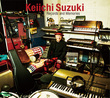
東京生まれの音楽家。ユーフォニアムとエレクトロニクスを組み合わせるという自身のスタイルとも通底するバンド、anonymassとして2003年に初作『opus01』を発表。現時点での最新作『anonymass』(2008年)はYMOのカヴァー集で、同年以降はYMOのライヴ・サポートも務めている。また、pupaや蓮沼執太フィルのメンバーとして名を連ねるほか、CharaやUA、くるり、LOVE PSYCHEDELICOら、携わったステージ/録音作品は数多い。その直近の仕事としては、レコーディング/ミキシング・エンジニアとして関与した鈴木慶一の2015年作『Records and Memories』やプロデューサーとして参加した優河の2015年作『Tabiji』があり、2014年には自身のレーベル、愚音堂も立ち上げて河合耕平のアルバムなどを送り出している。
TOWA TEI(シンセ/ノイズ/プログラミング)

90年、ディー・ライトの一員としてアルバム『World Clique』で全米デビュー。日本に拠点を移したのち、94年に初のソロ作『Future Listening!』を上梓する。翌年からは『FLASH』、『BIG FUN』(2009年)、そして2011年の『SUNNY』という3部作をはじめ、ミックスCDなども含めた音楽作品を次々と送り出しながら、DJ/トラックメイカー/プロデューサーとしても精力的に展開。その間にみずからの音楽プロダクション、hug inc.や電子セレクトショップのMACHも設立している。また、ソロ活動20周年を迎えた2014年には、国内外のアーティストによるTEI曲のリミックス、自身のオリジナル/カヴァー曲をテーマにしたベスト盤〈94-14〉シリーズを連続リリース。2015年には最新オリジナル・アルバム『CUTE』を発表している。
砂原良徳(シンセ/プログラミング)

69年生まれ、北海道出身のサウンド・クリエイター/プロデューサー。91年から99年まで電気グルーヴのメンバーとして活動。同グループ在籍中の95年に『CROSSOVER』でソロ・デビューし、これまでに5枚のオリジナル・アルバムを発表している。最新作は2011年の『liminal』。ほか、2009年にはキャリア初となるサントラ『No Boys, No Cry Original Sound Track』をリリースし、2010年にはいしわたり淳治とのユニット名義でシングル“神様のいうとおり”も上梓。スーパーカーやACOのプロデュースに始まり、リミックスやCM音楽の制作、エンジニアとしてのマスタリング仕事にも携わっている。2015年以降のものだけでも、(((さらうんど)))やtofubeats、FOLKS、LILI LIMITなどクレジット作品は数多い。
小山田圭吾(ギター/コーラス)

69年、東京生まれのクリエイター。89年にフリッパーズ・ギターのメンバーとしてデビューし、解散後の93年にコーネリアスとしてソロ活動を開始。94年に初フル作『THE FIRST QUESTION AWARD』を発表。これまでに5枚のオリジナル・アルバムを送り出しており、『FANTASMA』(97年)の海外リリース以降はツアーの開催などワールドワイドな動きが見られるように。また、『SENSUOUS』(2006年)を元に制作された映像作品集「Sensurround & B-Sides」は米グラミー賞の最優秀サラウンド・サウンド・アルバム賞にノミネートされている。加えて、外仕事も数多あり、2015年はアニメ〈攻殻機動隊〉関連のサントラや坂本真綾とのコラボがあったほか、自身セレクトのワークス集『Constellations Of Music』も届けられた。
To find out more about METAFIVE's first album "META", a piece lined with tracks that metamorphose as the individualities of the members sweetly collide, we sat down with the members, three at a time, to hear what they have to say-
[A quick introduction of the members of METAFIVE!]
LEO IMAI (vocal / synth / guitar / programming)
Singer-songwriter Leo Imai was born in Tokyo in 1981 to a Japanese father and Swedish mother. He is also known as a composer, lyricist, and lyrics translator. After living in the U.K., he moved to Japan in order to start his career as an artist in Japan. Imai released his first album “CITY FOLK” in 2006, and made his major commercial debut with the single “Blue Technique” in 2007. Since then, he has released multiple recordings including his four full-length albums. His latest work is “Made From Nothing” (2013). In 2010, he started his new project KIMONOS in collaboration with Shutoku Mukai (a member of rock band ZAZEN BOYS and former frontman of Number Girl), and released their first studio album “Kimonos” in the same year. Imai has also been involved in the productions of other artists, performing his rap in the single “TOO FAR” by rock band APOGEE, and writing lyrics of “The Future” or “Otherside” for Japanese male idol group SMAP.
Yukihiro Takahashi (vocal / drums / synth / rhythm sequencer)
Takahashi was born in Tokyo in 1952, and is known as a multi-talented creator who has credits as a singer-songwriter, producer, etc. After achieving fame as a studio musician, he joined the Japanese rock group Sadistic Mika Band in 1972. In 1978, he formed YELLOW MAGIC ORCHESTRA (YMO) with Haruomi Hosono (musician/bassist) and Ryuichi Sakamoto (musician/pianist/composer), which disbanded in 1983. He has also worked in many other projects such as THE BEATNIKS with Keiichi Suzuki (musician/composer, vocalist and leader of pop/rock group, moonriders), SKETCH SHOW with Hosono, and pupa with Tomoyo Harada (singer/actress), Hiroshi Takano (singer-songwriter/guitarist / producer) and others, and has released an abundance of masterpieces. Since the release of “Saravah!” in 1978, Takahashi has been working as a solo musician as well. His latest release is the album called “LIFE ANEW” (2013) which he recorded with In Phase, the band consisting of James Iha (musician/guitarist/record producer, former member of The Smashing Pumpkins), Hirohisa Horie (musician/keyboardist), Curly Giraffe (the solo project by Kiyoshi Takakuwa; musician/bassist), Tomohiko Gondo (musician/euphonium player/composer/arranger). Takahashi recently caught the public attention performing his drums in LOVE PSYCHEDELICO’s tour.
Tomohiko Gondo (flugelhorn / euphonium / synth etc.)
Gondo is a musician born in Tokyo. In 2003, he released his first record “opus01” from anonymass, the band that shares the exact same concept with Gondo’s own style of combining euphonium and electronics. Since the band released their latest work “anonymass” (2008), which is a cover album of YMO, Gondo has been playing in the back band at YMO’s live shows too. He’s also a member of pupa, and Shuta Hasunuma Philharmonic Orchestra, while supporting the live shows or recordings of many other artists such as Chara (singer-songwriter/actress), UA (singer-songwriter/actress), Quruli (indie/alternative rock band), and LOVE PSYCHEDELICO (pop/rock unit). Most recently, he took part in the production of Keiichi Suzuki’s “Records and Memories” (2015) as a recording/mixing engineer, and “Tabiji” (2015) by Yuga (singer-songwriter) as the producer. Gondo also established his own record label gooondo in 2014 and has been releasing albums of Kohei Kawai (singer-songwriter) and other musicians.
TOWA TEI (synth / noise / programming)
In 1990, Tei made his debut in the U.S. as a member of Deee-Lite, with the album “World Clique.” After moving his base to Japan, he released his first solo album “Future Listening!” in 1994. From the next year, he has been expanding his field as a DJ, beat-maker, and producer, constantly producing musical works including mix CDs, and his trilogy albums “FLASH,” “BIG FUN,” (2009) and “SUNNY” (2011). During that time, Tei also launched his own production company hug inc., and an e-commerce website MACH, which introduces various types of art from a wide range of artists. The year of 2014 marked the 20th anniversary of his solo career, and he released consecutively a series of greatest hits albums called [94-14], which consists of a remix disc of Tei’s numbers by artists home and abroad, a disc of his original numbers, and one with cover numbers. In 2015, his latest original album “CUTE” was released.
Yoshinori Sunahara (synth / programming)
Sunahara is a sound designer and producer from Hokkaido, born in 1969. He was a member of synthpop group Denki Groove from 1991 to 1999. While performing for the group, he made his solo debut with “CROSSOVER” in 1995, and has so far released five original albums, including his latest work “liminal” released in 2011. Sunahara also brought out his first soundtrack album “No Boys, No Cry Original Sound Track” in 2009, and released a single “Kamisama no Iutoori (meaning As God Dictates)” under the unit name shared with Junji Ishiwatari (former guitarist of rock band SUPERCAR) in 2010. He has been involved in many other projects such as the producing of SUPERCAR (disbanded in 2005) and ACO (singer-songwriter), remixing, writing commercial music, or mastering as an engineer. Looking at the outputs of and beyond 2015 alone, his name has been on the credits of many artists’ work, including Japanese pop band (((sssurrounddd))), tofubeats (singer/producer/DJ/beatmaker), FOLKS (indie rock band), and LILI LIMIT (rock band).
Keigo Oyamada (guitar / chorus)
Oyamada is an artist born in Tokyo in 1969. He made his debut as a member of rock band Flipper’s Guitar in 1989, and started as a solo artist under the name of Cornelius in 1993 after the band broke up. Since he released his first full-length album “THE FIRST QUESTION AWARD” in 1994, he has made five original albums so far. Especially, since the international release of “FANTASMA” in 1997, he has held world tours and expanded his field into the world-wide music scene. “Sensurround & B-Sides,” which is a collection of music videos created based on “SENSUOUS” (2006), was nominated for the Grammy Award for Best Surround Sound Album. Added to this, he also works in many other projects such as the Japanese sci-fi anime “Ghost in the Shell” related soundtrack, the collaboration with Maaya Sakamoto, and the release of his compilation album “Constellations Of Music”, -a collection of self-selected tracks from his own works.

The much-talked about super band finally releases their 1st album! A collection of ever-changing metamorphic tracks resulting from the sweet collisions of 6 individualities──
Detailed talks with 3 of the members reveal the [META] process of production―
Yukihiro Takahashi × Tomohiko Gondo × LEO IMAI
(Interviewed and written by: Yasuo Murao)
Yukihiro Takahashi, Keigo Oyamada, Yoshinori Sunahara, Tomohiko Gondo and LEO IMAI. This exceptionally gorgeous band consisting of a mix of generation-crossing artists ―METAFIVE, has finally completed the long-awaited original studio album, “META”. The band that was originally formed for a one-off performance at [TECHNO RECITAL], the show organized by Takahashi, decided to get busy with further performances at music festivals. Under the name Yukihiro Takahashi & METAFIVE, the group also contributed a track to the soundtrack “Ghost in the Shell: The New Movie O.S.T.” of which one of the members, Cornelius (the stage name for Keigo Oyamada) scored, spurring the growth of the group as a band. This much-anticipated album arrives as an electronic and danceable piece of work with the individualities of each member colliding, creating metamorphosing [meta] sounds, that come together to perfect a masterpiece that adds a completely new page to the history of techno. How this piece was put together? We had a chance to sit down and hear in person from 3 of the group ― Takahashi, Gondo and LEO.
――When the band was formed, did you have any thoughts of making a studio album at all?
Takahashi: “No, none at all. After performing at [TECHNO RECITAL], we were invited to appear at several music festivals, and started to realize that with each performance, we were getting better as a band. I think we were at our best at the event for [Ghost in the Shell] ([GHOST IN THE SHELL ARISE “border:less experience” sounds curated by CORNELIUS] held at the National Museum of Emerging Science and Innovation (Miraikan) in November of 2014). I posted a comment afterwards saying something like ‘The show was absolutely fantastic. I’d like to believe that we’re not a band ready to stop yet’, and apparently TEI was also thinking the same thing, so he retweeted my comment. But that doesn’t mean that we started going ’hey, let’s make an album’, but when we got together at the beginning of 2015, strangely enough, we were already in this kind of album-making mode.”
LEO: “It was the track “Split Spirit” by Oyamada-san (on “Ghost in the Shell: The New Movie O.S.T.”) that the six of us co-worked for the first time. The [Ghost~ ] event came right after that, and I think that everyone’s creative fire was fueled and alit at the time. ‘This is too good to stop with only one track,’ ‘Perhaps one more track,’ ‘And maybe another??…’ I guess those kinds of imaginations led to the aspiration to make an album.”
――What was discussed at the very first meeting?
Takahashi: “That all members should be in charge of 2 songs each, though, not that each of us would fully write 2 songs each. Our method of making songs this time was to pass around the data of tracks with each of us editing it by adding or subtracting sounds as it went along. And the person who delivered the original track was to be ultimately responsible of giving the track the finishing touch.”
――Did you talk about the direction of the sounds?
Takahashi: “Basically, we decided to keep it loose, but Marin (=Sunahara’s alias) left a comment saying ’it would be great to make [music that makes you want to move]’, and I guess that stuck in everyone’s head. So in general, the songs are in higher BPM. With members like this, it would have been more likely to make something more low-keyed, but turns out, that never happened. We are a rookie band after all, so we figured it better to have zing.”
――Right. To an extent, you are a ‘rookie’ (laugh). So, as the tracks got passed around the members, did the sounds show dramatic changes?
Takahashi: “Yes they did. In the instance of the song “Don't Move”, I was pretty blown away with the way it kept on changing.
Gondo: “This kind of method of song-making isn’t that uncommon, but I must say that METAFIVE was especially fun and easy to work with. All of us work the same kind of work, and our backgrounds share a fair amount in common, and much was the case that someone would fill in the tracks with sounds that I’d wanted, even without my telling them.”
LEO: “I was always waiting in anticipation for the track to come back, wondering to myself what surprise ingredients will be added this time.”
――In your case LEO, with everyone being senior to you, did you feel any pressure adding or crossing out the sounds from their works?
Gondo: “I remember you putting it pretty point-blank, -‘We don’t need this’.”
LEO: “True. But essentially, the sounds of what came passed along were all so superb, and already looked impeccable. I’ve never been in a band myself, so making songs like this felt really fresh to me.”
Takahashi: “No, actually he seems to have a lot more he wants to grumble about (laughs). Well, kidding aside, music wouldn’t be as fun if we couldn’t work at arm’s length and had to keep worrying about age etc.”
――Absolutely agree. Now, out of the 2 songs from LEO, “Disaster Baby” is a fairly rock-oriented number that probably wouldn’t come out from any other member.
LEO: “Oyamada-san used to say it sounded like Van Halen
Takahashi: “I think it’s a song that typically would have live drums. Perhaps we’d do that at our gigs, in a bit quicker tempo.”
――We see Yukihiro (Takahashi)-san soundly beating away the drums in Gondo-san’s songs, “Gravetrippin” and “W.G.S.F.”.
Gondo: “Yes, in my case, when I write songs, I just can’t help wanting Yukihiro-san be the drummer for it. The patterns always end up being difficult though.”
Takahashi: “Yeah, they were super hard to play. But having live-played drums in the track, “W.G.S.F.” now has a sweet groove to it.”
――In your case, Gondo-san, in what kind of state did you deliver the base tracks to everyone? Did you have the rhythms fixed from the beginning?
Gondo: “I tend to get pretty elaborate when making these tracks, unlike the track from Oyamada-kun, “Don't Move”, that was actually passed around deliberately omitting any melody. I’ve learnt through the making of this album that, with a band like this, it’s actually that (Oyamada’s) kind of process that makes the song richer rich in variation and fun to work on.”
Takahashi: “Me too, I’m like Gon-chan (Gondo), -I get too much into depth with the making. That’s the thing I reflect on this time. When you elaborate on the making of the base track too much, it allows little space to give touches to or play around with.”
――Right enough, the two tracks Yukihiro-san wrote - “Anodyne” and “Threads” - both have the typically signature Yukihiro-tone. They create this melodious and folky atmosphere.
Takahashi: “Well, perhaps that’s why they were all the more suitable to be placed at the 6th track at the middle of the lineup, and at the end. They act as perfect ‘side-dishes’ served between the main course. But actually, I did let everyone know that they were ‘free to change the melodies’ when I passed the track around, but no one did (laughs).”
Gondo: ”That’s because we didn’t need to. Yukihiro-san is really meticulous when it comes to making melodies, and he keeps on changing them. Like, within a day after once changing it, he’d come back saying ‘I want to make it one key lower after all’.”
――So I guess that means the connection with words (lyrics) also become very important.
Takahashi: “Absolutely. It makes a huge difference between having English and Japanese for the lyrics.”
――Speaking of lyrics, LEO is contributing a lot with the songwriting this time. I believe you were also assigned to write the lyrics for tracks written by other members.
LEO: “Everyone had keywords or specific themes prepared, so having those as starting points, it wasn’t that hard to do. For instance, Yukihiro-san specifically noted that he wanted to the song to be 'rueful and romantic'
Takahashi: “LEO-kun and I have worked together with In Phase (Takahashi’s other band project) so I think he knew the image of my songs. I guess you were thinking, 'yeah, another wistful one as always', no?
LEO: “Yeah, wistfulness and the country view. Trying to give lyrics to melodies made by Yukihiro-san, those are what come to mind.”
Takahashi: “Putting it nicely, cinematic. Not putting it nicely, manneristic (laughs).”
――There’s no need to put yourself down that much (laugh). The vocals are mainly done by Yukihiro-san and LEO, but how do you decide on who does what part?
Takahashi: “The parts seem to fall into place naturally with the keys, but in general, LEO-kun decides. Like, ‘Yukihiro-san would start singing from here’, or ‘We’ll harmonize here’ etc. There were some occasions in which the original writer of the song, for example, TEI-kun, giving specific instructions, like ‘this part is for Yukihiro-san’.”
LEO: “I guess there had been tracks, like “Luv U Tokio”, that there was already a fixed image of the main vocals to be sung by Yukihiro-san.”
――Were the arrangements of the harmonies done by LEO-kun too?
Takahashi: “Yes, basically LEO-kun, and there were absolutely no instances that we felt something wasn’t right. Although, the newly added harmonies in “Whiteout” were difficult to work out.”
LEO: “In ”Disaster Baby”, Yukihiro-san did an amazing job with creating a wonderful harmony right there in the studio.”
――That’s nice. Hearing all this, it certainly seems like all the members of METAFIVE are being great inspirations to each other while having full respect to one another. What a grown-up band you are!
Takahashi: “To hold respect without having to keep each other in check, -that’s something I’ve never experienced in any other band. Plus, we can rely on other members for various tasks with ease. Never had this since YMO. But you know, we’re still ‘newly-weds’. We might start experiencing boredoms or conflicts with each other (laughs).”
――You lot seem to have absolutely nothing to do with such things.
Gondo: “For all one knows, I might be the one ending up being the flash point of those (laughs), but anyhow, there’s so much to look forward with this band. And of course, I am willing to enjoy it to the fullest myself.”
Takahashi: “In both pupa (electronica band led by Takahashi) and In Phase, there’s so much Gon-chan is required to take up, starting with sound checks. But here (in METAFIVE), those are split with Marin.”
Gondo: “He’s kindly volunteers to take on those tasks. But not to the extent of taking up the whole thing. He’s great in keeping that balance. Since I’ve got so many loads off my shoulder now, I’m thinking of trying out new things, -like singing.”
――For LEO-kun to whom being in a band is something new, what kind of a band is METAFIVE for you?
LEO: “It’s a band that never ceases to be inspiring. I think the album we’ve made is awesome too. Though, I also felt that it’s a band that really doesn’t go well with summer when we played at summer festivals last year (laughs). Our ‘costumes’ are black from head to toe. For me personally, METAFIVE is a goth band.”
Takahashi: “Because our band can only be when everything including visuals are properly in place, it’s not too off-the-mark to say that we’re not really a band for summer festivals. We’d be more than happy to be invited of course, but you know, none of us are that good in tans (laughs).”
LEO: “That’s what’s great about us. METAFIVE is the neo-goth band that represents Japan!”
TOWA TEI × Yoshinori Sunahara × Keigo Oyamada
(Interviewed and written by: Yu Onoda)
Keeping things hyper, METAFIVE is a band who still manages to stick to the adult aesthetic of 引きhiki (to be less represented, to eliminate any excess and concentrate on the essential quality, the art to stand back etc.) that is well-demonstrated in their solid tracks. As part of the trans-generation 6 piece who passes down to the music scene the electronic modernism now recognized as the flesh and blood of YMO, TOWA TEI, Keigo Oyamada and Yoshinori Oyamada talk about what METAFIVE is really about.
――I’ve heard that METAFIVE is a band that has three
TEI: “And Yukihiro-san is Bryan Ferry and LEO is David Byrne…”
Oyamada: “But Gon-chan (Tomohiko Gondo) is also a Brian Eno, so wouldn’t that make it the 4 of us, not 3?”
TEI: “No, no. Oyamada-kun is more of an Adrian Belew (guitarist of Talking Heads, The Tom Tom Club and King Crimson) (laugh).”
――Now that you say that, I’m now wondering what kind of band METAFIVE really is…
Sunahara: “Normally, having 3 Brian Enos in one band is simply not possible. It just won’t work!”
TEI: “Well, it’s not actual ‘Eno’s. Just three of us ‘wishing’ to be like him (laugh).”
――And I hear that what you had in mind when you got together as Yukihiro Takahashi & META-FIVE in 2014, was the reproduction of YMO’s synth-oriented [WINTER LIVE '81] (second national tour by YMO ran in ‘81), no?
Sunahara: “The members were originally gathered for the performance at the show, but at that time, Yukihiro-san suggested to ‘perform in a YMO-ish mode back then’. There were also other elements that played important parts for the embodiment of METAFIVE becoming a regular band, as exemplified in Yukihiro-san singing for the song “Radio” that was recorded in TEI-san’s 2013 album, “LUCKY”.”
TEI: “Even after the show, we worked together as Yukihiro Takahashi & METAFIVE to make the single track “Split Spirit” for Oyamada’s soundtrack of [Ghost in the Shell: ARISE|border:4 Ghost Stands Alone] in September of 2014, based on ideas given from Oyamada-kun. And working those steps up, we got into talking about making an album around last February. So we once got together to discuss over a meal, but couldn’t lay out anything specific. We did, at least, agree on changing the name of the group to ‘METAFIVE’, but no one knew what to say when we found out about the demo track Gon-chan alone had brought in (laugh).”
Sunahara: “That was like making a false start (laugh). But the mood when we were all listening to the demo was great, and there was something that convinced me that this was going to be something wonderful.”
TEI: “It’s not like we were starting from absolute zero. Having the experiences playing together at shows and co-working on tracks like “Radio” or “Split Spirit” made it easier for us to come up with new songs because we knew what to center the songwriting around. There were no restrictions to ideas, but we still did have the 2-songs-each quota to meet, so it was really helpful.”
Oyamada: “And there was this mutual understanding that Yukihiro-san and LEO-kun would be singing.”
TEI: “We all love the singing of those two, so even though we are a bunch who can normally write instrumental numbers, we ended up with the whole album made of songs that come with vocals.”
Sunahara: “So in that sense, it was easy for us to enter into the album production process.”
――Speaking about tracks, “Whiteout” sounds characteristically what Marin-san (Sunahara’s nickname) would make, given its style assumedly based on “LOVEBEAT” (album by Yoshinori Sunahara, 2001), but with the tracks “Luv U Tokio” and “Albore” made between TEI-san and Marin-san, it’s hard to tell straight off, who the main man was when making the track.”
Sunahara: “For “Luv U Tokio”, I was basically given the direction to ‘write something that can make for a lead track’. I did the underwork which then TEI-san gave a backbone to, and then I came back again giving concrete notes to it.”
TEI: “Alongside those works, I wrote the lyrics, and in an attempt to add content, I spent time at a coffee shop with LEO-kun. Meanwhile with “Albore”, I took the lead with Marin giving me the helping hand, and while usually I would give the finishing touches by myself if I were working solo, for this track, I intentionally left space and had LEO-kun fill in the lyrics. I think I was entrusting works to everyone. Perhaps the reason you can’t tell straight off (who did what), is because this METAFIVE-ish chemistry worked really well.”
Sunahara: “So basically, all of us were somehow involved in every song, but only TEI-san and myself have a few tracks that we took zero part in making. You were involved in every single song, right, Oyamada-kun?”
Oyamada: “There are tracks in which my involvement is very little, but yes, more or less.”
――In METAFIVE, you keep yourself strictly to a guitarist, Oyamada-san.
Oyamada: “I guess so. In my own album, I’d be the one adding all the electronic sounds myself, but in METAFIVE, that is also the expertise of many of the other members, so I figured out that, in this band, my position would be the guitarist.”
Sunahara: “Guitarhythm (laughs)!”
(“Guitarhythm”: Name of album by Tomoyasu Hotei, famous guitarist of disbanded rock band, BOØWY. Oyamada (as Cornelius) appears as guest artist on Hotei’s 30th anniversary album.)
――The track “Don’t Move” by Oyamada-san, that fully taps into the said ‘guitarhythm, plays out a totally renewed new-wave funk tune.’
Oyamada: “I kind of had in the back of my mind, what Marin was saying at the very beginning of production, -that something danceable would be nice’. I made a track that was over-energetic to use solo, but would be just perfect if sung by LEO-kun. I then passed that on to everybody. On the assumption that people will be adding sounds to it, I intentionally left some room, and even excluded the melody line I originally had in mind. And to that frame, TEI-sand and LEO-kun delivered the lyrics.”
――It goes without saying that Yukihiro-san is like YMO itself, but how do you position yourselves with respect to the YMO, because on hearing this album, the color of YMO doesn’t come striking?
TEI: “Both Marin and I have been publicly proclaiming that we entered into music via YMO, and Oyamada-kun had always been the wingman to YMO, so yes, YMO does get cited very frequently. It’s not like we don’t like having that said, but to make it clear, I don’t think METAFIVE is that conscious about YMO. What do you think?”
Sunahara: “No, we’re not. And maybe it’s a bit strange for me to say this, but having METAFIVE considered as a substitute for YMO isn’t necessary pleasant. That’s why I wanted to make our original tracks soon, and this time, I think we’ve made something truly METAFIVE-ish in our regular self, without having to hide what oozes out naturally.”
TEI: “I used to talk a lot with (Tomoo) Gokita who did the artwork for the cover this time, but there was this time that, perhaps due to the rudiments of ego, we would keep a certain distance from YMO, -like, the ‘age of delinquency’ (laughs).”
Sunahara: “Yup, totally happens!”
TEI: “For me that was around ‘87 when I went to NY. I didn’t bring any record I was listening to in Japan with me, and was thinking to myself that I’d only be listening to music of black artists. And even when I was thinking that way, DJs at the clubs would occasionally play YMO’s “Firecracker” or (Ryuichi Sakamoto’s) ”Riot In Lagos”. Basically, YMO is already part of our blood and flesh. Even for “Radio”, the melody and part of the lyrics that came to me when I was relaxing in a hot spring, was something that happened to remind me of Yukihiro-san, which was why I asked him to sing, but anyway, the song embraces this certain modern sound pressure seen in hip hop or the kitsch element in “Video Killed the Radio Star” by The Buggles, so all I can say is that, it’s not always about YMO.”
――In this piece, it doesn’t necessarily seem like you rustled up a whole formation of vintage synthesizers from back then, does it?
TEI: “Absolutely. However, including SKETCH SHOW (project by two of the three members of YMO) and HASYMO (by the three members of YMO, but considered as a combination of SKETCH SHOW and Ryuichi Sakamoto), the latest sounds of YMO and its surrounding has the image of being ‘static’, while METAFIVE is more the image of being ’dynamic’ as we originally formed for performing at live shows, and the music has a more physical appeal to it.”
Sunahara: “I think Yukihiro-san himself had been more on the side of ‘static’, but as well-expected, his playing in METAFIVE, that’s in the dynamic domain, is always great too.”
TEI: “It suits him well, doesn’t it? He is, in reality, a fairly tough guy, and he’s the one physically working away his muscles the most when he’s playing the drums.”
Oyamada: “Speaking of the “physical’ aspects of our music, having LEO, a much younger lad than us, served as a good traction for the band.”
Sunahara: “It was like we were being pulled forward, but there was also a part of us expecting him to do so. I think we were all working on the album while also thinking of the best way to get the most out of having LEO-kun in the band.”
TEI: “In that sense, there’s still a wide variation to enjoy in METAFIVE. Well, all of us have our hands full in each other’s own way, so there’s nothing fixed for the future. But actually, this indecisiveness, - I think that also is so precisely like this band, METAFIVE (laugh).”